

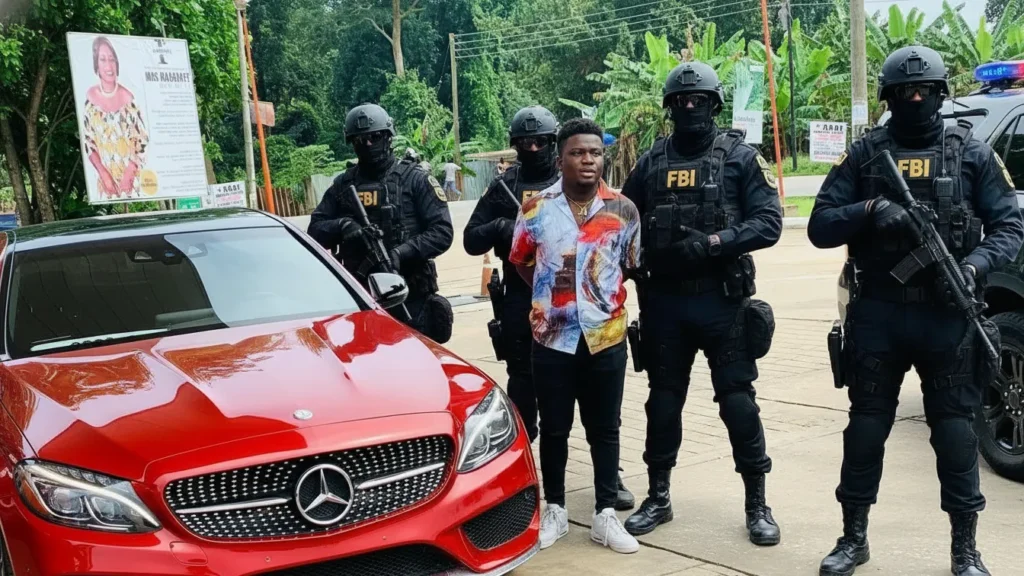
The Abu Trica romance scam story is like a Netflix series, only this time it’s real life and the FBI is involved. A Ghanaian influencer who loved to flaunt cash, cars and designer drip online is now facing up to 20 years in a US prison over an alleged $8 million fraud targeting elderly Americans. For young Ghanaians glued to social media, this case is a loud wake-up call about the dark side of “soft life” culture.
What Happened
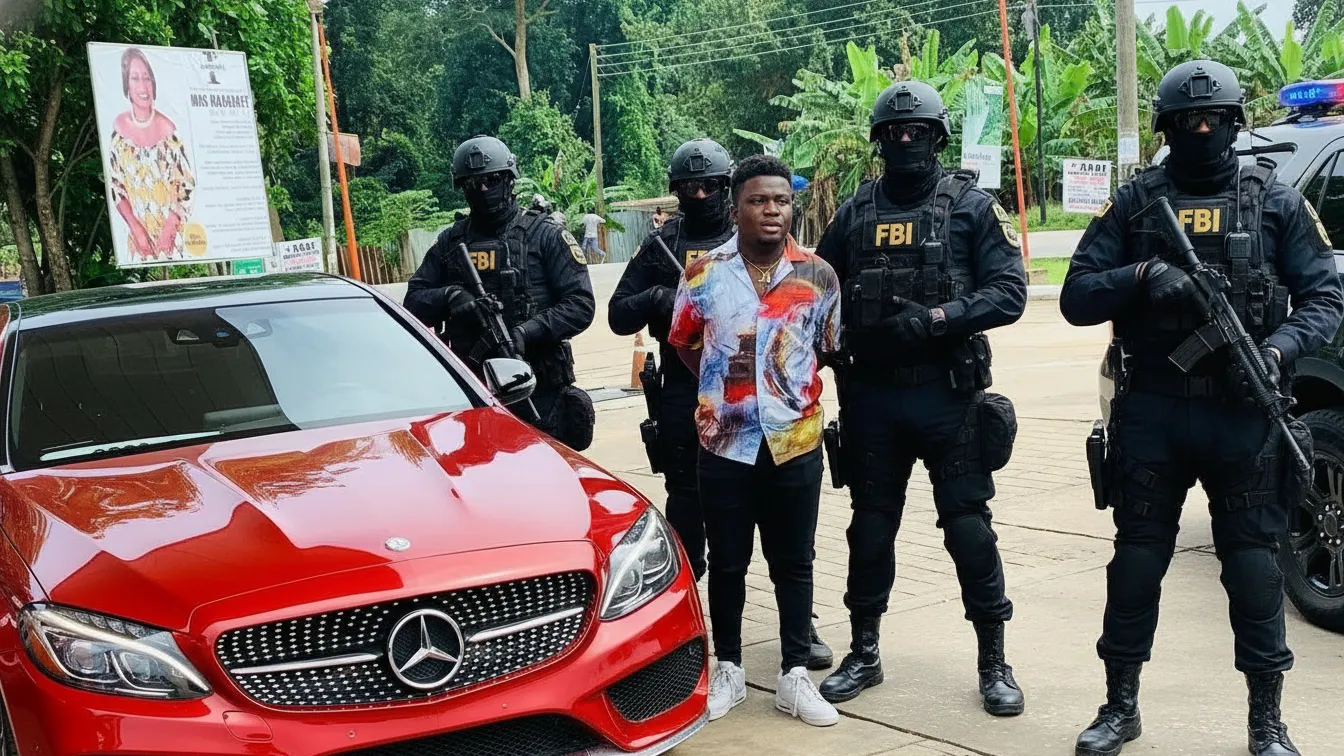
US authorities have charged 31-year-old Frederick Kumi, also known as Emmanuel Kojo Baah Obeng and popularly called “Abu Trica,” over a large-scale romance scam operation. Investigators say he and his partners used AI-generated photos and fake profiles to pose as doctors, soldiers and businessmen on dating apps and social platforms, targeting mostly older Americans. Once they built emotional trust, they allegedly convinced victims to send money for fake emergencies, investments or travel plans.
Reports indicate that victims collectively lost more than $8 million through wire transfers, cryptocurrency and gift cards tied to the Abu Trica romance scam network. While this was happening, Abu Trica reportedly showed off luxury holidays, high-end cars and designer brands to more than 100,000 followers on Instagram and other platforms. He was arrested in Ghana and is now facing extradition to the United States to stand trial on fraud and money laundering-related charges.



Why It Matters
This isn’t just about one influencer; the Abu Trica romance scam cuts straight into Ghana’s online reputation and the broader conversation around internet fraud. When cases like this go global, they feed negative stereotypes about West African youth, especially in digital spaces where many are actually building legitimate careers. It also puts pressure on Ghanaian authorities to show they’re serious about cybercrime enforcement and cross-border cooperation.
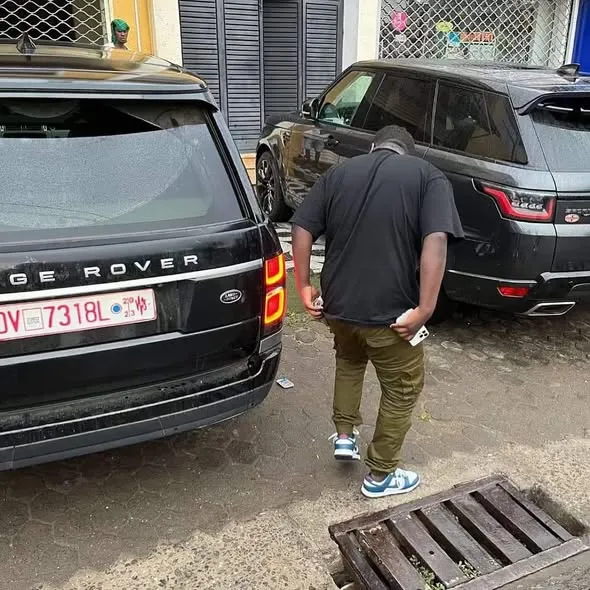
For everyday Ghanaians, the story highlights how social media can easily hide the real source of someone’s wealth. That “big boy” lifestyle may look sweet on Instagram, but behind the scenes it can be powered by real victims losing their savings and dignity. It also shows older people abroad—and even at home—how dangerous online romance, “urgent” requests and too-good-to-be-true stories can be.
Extra Angle – Lessons for Creators and Viewers
For creators, the Abu Trica romance scam is a warning shot: brands, platforms and fans are watching more closely now. Influencers who flaunt unexplained wealth may find themselves losing deals or facing questions, especially as governments and tech companies ramp up fraud investigations. For viewers, it’s a reminder not to idolise lifestyles you can’t verify and to value slow, honest progress over suspicious shortcuts.
The case also shows how AI tools can be abused, not just for deepfakes and fake news, but for emotional fraud at scale. That means both platforms and regulators will likely tighten rules around identity verification and suspicious account behaviour in the coming years.
Conclusion
The Abu Trica romance scam has turned a once-admired online “big boy” into a global headline for all the wrong reasons. Whether he’s convicted or not, the case is already shaping how Ghanaians think about flashy influencers, cybercrime and what “success” really looks like. Going forward, expect tougher scrutiny, louder conversations about fraud and a lot more side-eye for anyone whose lifestyle doesn’t match their story.



Discussion 1 comments
You must be logged in to write a comment.
Log In Sign Up