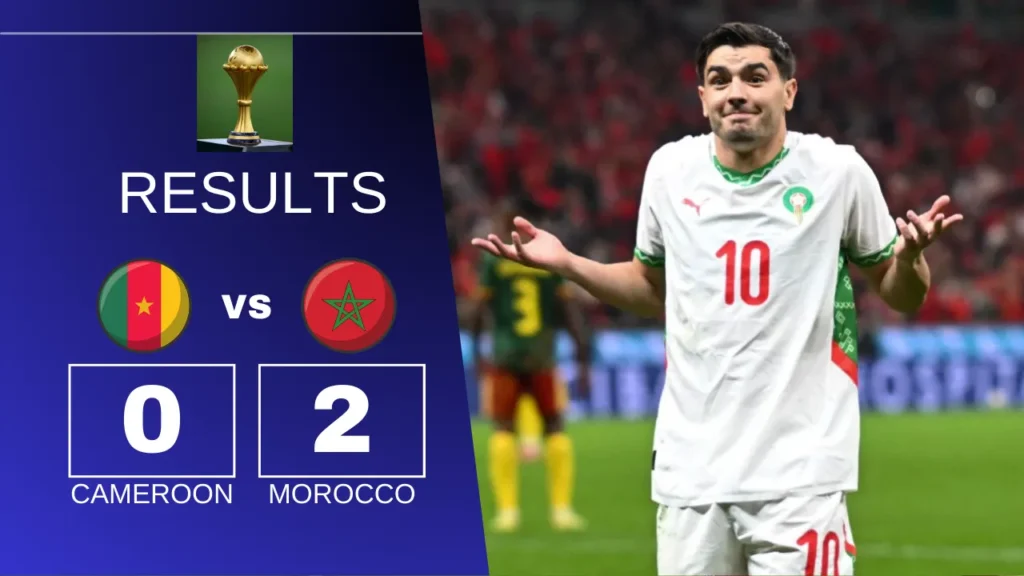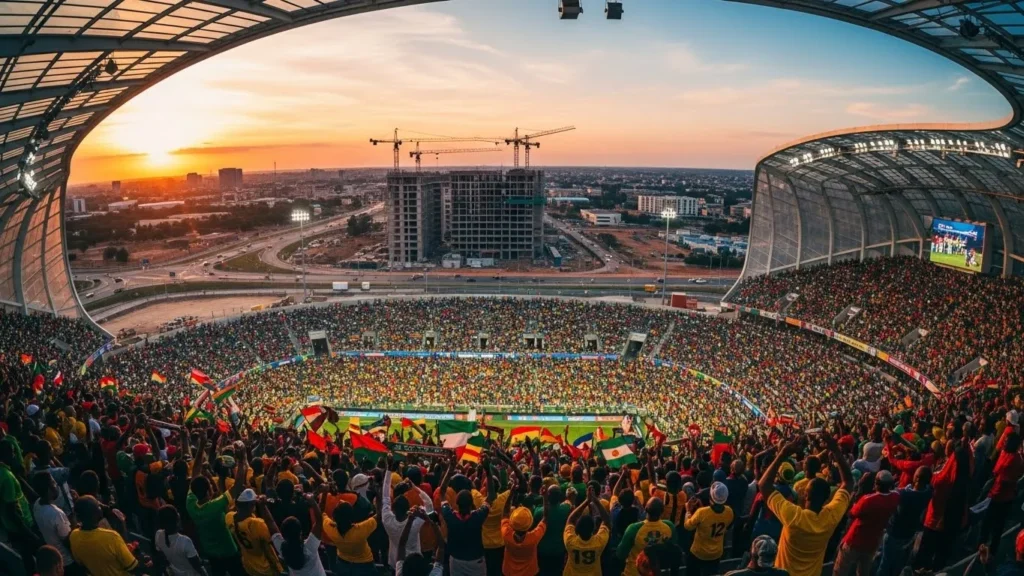
AFCON and African Unity: How the tournament unites diverse African nations, communities and fans across the continent through shared culture and pride.
Question
How significant is AFCON for African unity, and what role does the tournament play in connecting diverse African nations and communities?
Answer
AFCON is one of the strongest forces for African unity today because it gathers dozens of nations, languages and cultures into a shared experience every tournament cycle. For a few intense weeks, borders feel softer, flags mix and millions of Africans follow the same story. Beyond the economic and infrastructure gains that host nations enjoy, AFCON functions as a powerful continental ritual that reinforces shared identity across religion, ethnicity and language.
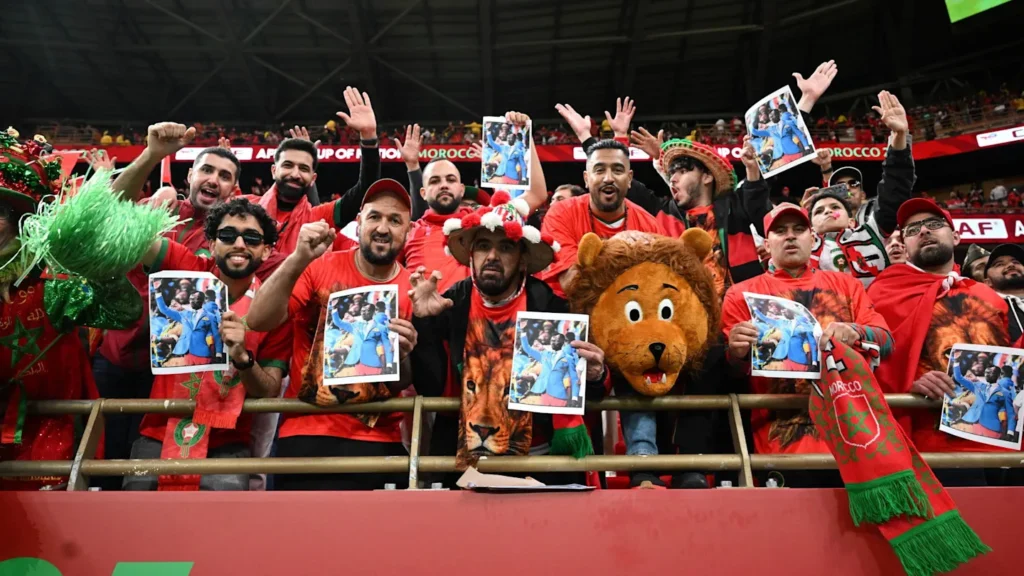
AFCON does more than crown champions. It unites African countries through shared rituals, culture, fan passion and powerful moments of pride across the continent. When ordinary citizens in Accra, Algiers and Lagos tune in to the same match, debate the same goals and celebrate the same victories, they’re participating in something bigger than sport: they’re confirming their place in a larger African story.
Table of Contents
What You Need to Know About AFCON as a Continental Ritual
AFCON began as a symbol of post independence pride and a stage where newly free African states could meet on equal sporting ground. Today, it still works like a continental ritual, watched in homes, viewing centres and sports bars from Accra to Algiers and across African communities in Europe and the US.
The tournament creates a recurring rhythm that African nations and diaspora communities recognize instantly. When the CAF AFCON kicks off, millions know exactly what’s happening and why it matters. This consistency is rare for a continent with 54 nations, dozens of languages and competing political agendas.
Fans often adopt “second teams” from other countries when their own side goes out, building soft allegiances based on playing style, shared language or regional ties. A Ghanaian might back Senegal. A Nigerian might follow Morocco. These secondary loyalties create invisible threads connecting supporters across borders, threads that persist long after the tournament ends.
Across the continent, AFCON nights look similar: food, music, debates and jokes in different languages, but with the same feeling that “this is our tournament”. Whether in a Lagos bar, a Kigali viewing centre or a London flat full of diaspora fans, the experience mirrors itself. This sameness across difference is what makes AFCON a true continental institution.
This same emotional glue is what shapes host nations, where stadiums, fan parks and city streets become places people meet beyond tribe, party or region to back their flags or favourite stars. The tournament creates permission for unity in spaces that don’t always encourage it.
The Bigger Picture: Culture, Identity and Fan Connection
AFCON doubles as a live exhibition of African cultures and identities. From anthems and pre match rituals to drums, dances and traditional outfits in the stands, the competition shows unity through diversity rather than sameness. Each team brings its own history, colours and rhythms, yet they all compete under CAF’s banner and chase the same trophy, reinforcing a shared continental identity.
In fan zones and host city streets, supporters swap flags, share food and teach each other songs. Cameroon 2022 and Côte d’Ivoire 2023 both demonstrated how temporary spaces become cultural exchanges. Morocco’s planned AFCON 2025 fan parks are designed around this same principle: create space, and Africans will connect.
The cultural spotlight also sells both the host country and African creativity to the world. Tourism flows, media coverage and social media clips showcase African fashion, music, food and celebration styles. This visibility strengthens how Africans see themselves and how the world perceives the continent.
What many articles overlook is that AFCON’s cultural power cuts both ways. It showcases African achievement and creativity while also creating moments where African governments and brands can shape their own narrative, rather than being defined by conflict or poverty stories that dominate international media.
What It Means: AFCON as a Unifying Force in Difficult Times
AFCON’s unifying power stands out most when the continent faces political tension, conflict or health crises. The tournament gives citizens a rare space to celebrate, argue and dream together while bigger problems continue in the background.
During Cameroon’s AFCON 2022, held amid security worries and COVID 19 restrictions, research still found strong feelings of community pride and social benefit in host cities, even with strict health measures. The tournament didn’t solve underlying issues, but it created a psychological break and a moment of collective hope.
Côte d’Ivoire’s AFCON 2023 became a national healing moment, with cross regional celebrations helping a country with a history of conflict show it could come together around something positive. Supporters from northern, central and southern regions sat together in stadiums and viewing centres. For those moments, political divisions felt smaller.
This pattern repeats across the continent. When elections are tense, when economies are struggling or when social divisions feel deep, AFCON offers a shared ground where Africans can be proud of something together without the baggage of politics or history. That’s not trivial. In hard times, unity even for a few weeks can reshape how communities feel about themselves.
Why It Matters in Ghana: How AFCON Connects Everyday Communities
AFCON’s unity effect lives in ordinary fans and local communities, not just official statements or elite venues. Street screenings, campus viewings and neighbourhood bars turn into melting pots where different social classes, religions and ethnic groups sit side by side to ride the same emotional highs and lows.
The tournament sparks youth competitions, charity matches and local football projects that bring communities together long after the trophy tour ends. A viewing centre that forms during AFCON might become a permanent neighbourhood gathering space. Youth players inspired by tournament stars might form new community clubs that persist for years.
This mirrors how AFCON hosting strengthens local bonds around stadiums and fan parks, something reflected in earlier Debesties coverage on AFCON host nation benefits, where jobs, small vendor opportunities and urban upgrades create real stakes for ordinary people in the tournament’s success.
In Ghana specifically, AFCON viewing seasons reshape city dynamics. Accra’s bars and viewing centres become social hubs. Office workers, students, traders and professionals sit together. Conversations cross class, education and ethnic lines because everyone is invested in the same match. These moments build social capital that persists long after the final whistle.
The Limits and Tensions That Challenge AFCON Unity
AFCON does not magically erase all divisions, and its unity can be fragile or uneven. Politics, club versus country disputes, scheduling conflicts and governance scandals sometimes chip away at the feel good image. Gaps between richer and poorer federations, or between North African giants and smaller associations, show up in debates about infrastructure, pay and media coverage.
When hosting deals or stadium builds are linked to corruption, debt or displacement, some citizens see AFCON as an elite project rather than a people’s festival, weakening its unifying pull. Supporters displaced by stadium construction or local vendors shut out from fan zones feel the tournament’s division, not its unity.
Match day tensions also reveal fault lines. Rivalries between Egypt, Algeria, Cameroon and Nigeria can turn hostile. Crowd violence, racist chanting and political antagonism occasionally surface. These moments remind us that AFCON unity exists alongside real tensions that the tournament doesn’t resolve.
Yet even these tensions prove how central AFCON has become as a shared reference point for the continent. When people criticize it, defend it or debate it fiercely, they’re confirming its importance. The controversy itself is a form of engagement.
Key Takeaways
- AFCON creates a recurring shared experience that millions of Africans recognize and participate in, building a sense of continental belonging that persists across borders and languages.
- The tournament celebrates African diversity while reinforcing shared identity, allowing nations to showcase their own cultures while joining a larger African football family.
- In difficult times, political tensions and social divisions, AFCON offers psychological relief and a rare space where cross ethnic, cross class and cross regional unity feels possible.
- Host nation communities experience AFCON’s unifying effect most directly through stadiums, fan parks and viewing centres that become melting pots for otherwise separate social groups.
- AFCON’s unity is real but fragile; corruption, displacement and governance failures can transform the tournament from a people’s celebration into an elite project, fragmenting rather than unifying support.
What to Watch Next
As AFCON 2025 approaches in Morocco and planning for Tanzania 2027 continues, watch for how tournament organizers protect community access and prevent displacement. Notice which viewing spaces are free or affordable versus which require payment. Observe whether local voices shape fan park design or if elite planners impose experiences from above. Track whether regional and ethnic diversity shows up in volunteer teams, security and hospitality roles.
The tournament’s true unity test isn’t match day excitement. It’s whether ordinary Africans from different backgrounds still feel like the celebration belongs to them, not just to governors and corporations.