

An authentic Accra travel guide must abandon hotel lobbies and guide you directly into the pulse of Ghana's coastal capital. Accra is a dynamic metropolis where centuries of coastal Ga heritage blend with modern West African creative enterprise. Rather than staying confined to air-conditioned enclosures, the best way to understand the city is through roadside waakye lines, bustling lorry stations, and vibrant neighborhood markets.
Greater Accra functions as the commercial, political, and cultural core of the nation. It offers sandy Atlantic coastlines, historic colonial architecture, and active nightlife districts within short distances. Navigating the city successfully requires understanding how local infrastructure operates day to day. With the right local knowledge, your time in the capital becomes smooth, culturally immersive, and cost-effective.
Getting Around Accra: Trotros, Taxis, and Ride Apps
Mastering urban mobility is the primary hurdle for anyone exploring Accra for the first time. The city relies heavily on trotros, which are privately operated minibuses that transport commuters along fixed arterial routes. While they may appear chaotic to newcomers, they provide a reliable, highly affordable way to navigate daily traffic.
To board a trotro, head to an established lorry park like Kwame Nkrumah Circle or flag one down from an active roadside bus stop. Listen carefully for the mate, who is the conductor hanging out the side door shouting destination landmarks. State your stop clearly before boarding so the conductor confirms the vehicle follows your route. Pass your exact fare forward through fellow passengers once the vehicle starts moving.
Short hops between central points like Circle and Osu cost between GHS 4 and GHS 8 following nationwide transport union updates. Longer cross-town corridors, such as Kaneshie to Kasoa or Madina to Accra Central, average between GHS 7.80 and GHS 14.40. Taking a shared trotro across town exposes you to lively banter in Ga, Twi, and Ghanaian English, offering an authentic glimpse of everyday city life.
Ride-hailing platforms like Uber, Bolt, and Yango operate extensively across the capital and provide upfront digital pricing. They are best reserved for airport arrivals, late-night transit, or cross-town trips during heavy rains. Traditional non-metered taxis also queue outside major shopping malls and hotels. Always negotiate and agree on the fare in Ghana Cedis before getting into a traditional taxi cab.
Where to Eat in Accra: Essential Street Food Culture
Ghanaian cuisine shines brightest on street corners and in busy open-air chop bars rather than inside fine-dining establishments. The heartbeat of morning dining in Accra belongs entirely to waakye. This hearty dish consists of rice and beans steamed together with dried red sorghum leaves, giving the grains their distinctive burgundy hue.
Waakye comes wrapped inside broad green katemfe leaves, which impart an earthy aroma to the meal. A complete plate is layered with spaghetti, moist cassava gari foto, fried plantains, a hard-boiled egg, and fried fish or stewed beef. The entire dish is topped with spicy black chili sauce known as shito alongside rich tomato stew. Join a busy queue before 9:00 AM at trusted neighborhood vendors in Osu, Cantonments, or Adabraka to get the freshest batch. A hearty portion typically ranges from GHS 25 to GHS 50 depending on your choice of proteins.
Other essential street food staples include hot fermented corn dumplings known as ga kenkey, served with fried fish, ground green chili, and shito. In the evenings, roadside grills fill neighborhood air with spicy aromas of chichinga and suya, featuring seasoned skewered beef coated in spicy peanut kuli-kuli powder. For a sweet treat, purchase fresh kelewele, which is ripe plantain diced, seasoned with ginger and cayenne pepper, and fried crisp in hot oil.
Local Sourcing: Ghana Made Artisan Chocolate
Ghana stands as one of the world's primary exporters of premium cocoa beans through the oversight of the Ghana Cocoa Board. Historically, most cocoa left the country as raw beans, but local chocolatiers now craft artisanal confections directly within the capital.
Boutique cafes and specialty grocers across East Legon, Airport Residential, and Osu stock single-origin Ghanaian chocolate bars. Brands like 57 Chocolate, Mansa Gold, and Bioko Treats craft bars infused with local ingredients including toasted coconut, moringa, sea salt, and ginger. Buying locally produced cocoa goods supports domestic manufacturing and offers far greater value than commercial airport souvenirs.
Top Cultural Landmarks and Historic Sights
Accra pairs its modern creative energy with significant monuments that tell the story of Pan-African liberation and coastal history. Plan visits to popular attractions during weekday mornings to bypass heavy midday heat and dense crowds.
Walking Through Makola Market
Makola Market is the immense commercial engine of central Accra. Spanning multiple city blocks, this dense trading hub sells everything from vibrant wax-print fabrics and custom trade beads to fresh spices, indigenous herbs, and cookware. The market is owned and operated primarily by formidable Ga market women who manage massive distribution networks. Move through the lanes with closed-toe shoes, carry small cash notes, and maintain awareness of hand luggage in crowded aisles.
Touring the Kwame Nkrumah Memorial Park
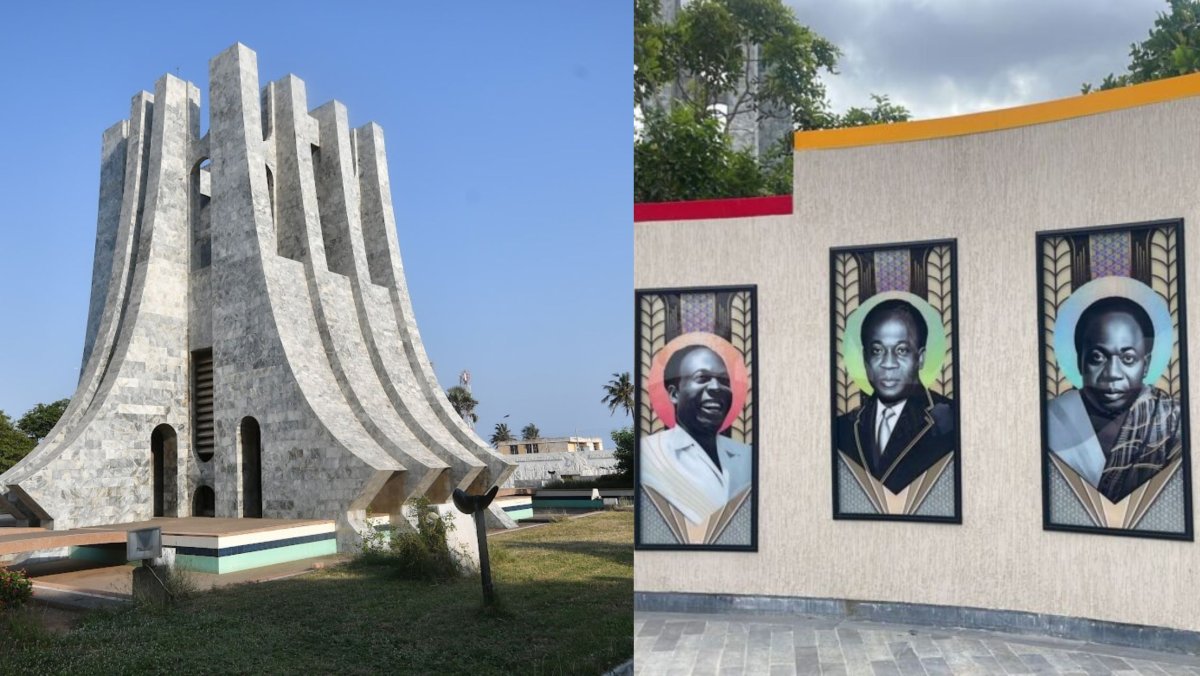
The Kwame Nkrumah Memorial Park honors Ghana's founding president and stands as a major landmark of African independence. Located in downtown Accra, the site features a sleek mausoleum, manicured reflecting pools, and an upgraded museum containing personal artifacts, historical photographs, and state gifts. Non-resident international adult tickets cost GHS 100, while Ghanaian adults pay GHS 25. The serene compound provides deep historical context about the 1957 independence movement right beside Black Star Square.
Exploring Historic Jamestown and Ga Mashie
Jamestown is one of the oldest districts in the capital and serves as an important cradle of Ga heritage. The neighborhood is famous for its vibrant street murals, historic fishing harbor, colonial architecture, and world-renowned boxing academies that produce global champions. Climb the historic Jamestown Lighthouse for an elevated view across Atlantic fishing canoes and old stone lanes. Hiring a resident local guide ensures you navigate the neighborhood respectfully while supporting community youth programs.
Craft Shopping at the Centre for National Culture
Commonly called the Arts Centre, this expansive marketplace along High Street is the primary location for traditional craft shopping. Artisans carve wooden stools, weave kente fabrics, string recycled glass beads, and tune leather djembe drums right on the property. Polite negotiation is expected as part of the cultural exchange, so take time to converse with shop owners before settling on final prices.
Coastal Escapes: Labadi, Bojo, and Kokrobite
When city traffic becomes draining, the capital's coastlines provide quick relaxation. Labadi Beach was the liveliest public stretch until beachfront venues there were cleared in October 2026, so check what has reopened before you plan a day around it. For a quieter day trip, head west toward Bojo Beach, which requires a scenic canoe crossing across a coastal lagoon, or continue outward to Kokrobite Beach for beginner-friendly surf breaks and chilled reggae nights.
Neighborhoods Worth Knowing
Each quarter of Accra carries a unique personality, socioeconomic rhythm, and cultural function:
Osu: The central entertainment quarter centered on Oxford Street, packed with restaurants, fabric stores, live music joints, and cocktail lounges.
East Legon: A modern residential and commercial hub known for boutique cafes, upscale diaspora eateries, and stylish nightlife lounges.
Cantonments and Airport Residential: Quiet, embassy-lined districts with broad, tree-canopied streets and secure diplomatic residences.
Jamestown and Ga Mashie: Historic coastal quarters defined by boxing gyms, fishing wharves, colonial remnants, and living Ga traditions.
Adabraka: A practical central neighborhood featuring budget-friendly guesthouses, printing presses, and unpretentious local chop bars.
Nima and Mamobi: Vibrant, bustling districts celebrated for excellent northern Ghanaian foods, night suya grills, and artisan leather goods.
Practical City Travel Tips
Moving like a resident requires a few foundational adjustments to your daily routine:
Carry small cash denominations: Keep five, ten, and twenty cedi notes handy for trotro mates, roadside fruits, and water sachets.
Set up Mobile Money early: Register an MTN MoMo or Telecel Cash wallet using your passport to pay smoothly at restaurants, shops, and kiosks without foreign card fees.
Time your city transits: Heavy traffic peaks between 7:00 AM and 9:30 AM, and again from 4:30 PM to 8:00 PM along major arteries like the Legon bypass and Kaneshie corridor.
Stay hydrated with bottled or sachet water: Pure water sachets are ubiquitous and safe, but always verify intact seal packaging before drinking.
Embrace polite greetings: Always greet elders, taxi drivers, and shopkeepers with a warm good morning or good afternoon before asking questions or starting transactions.
FREQUENTLY ASKED QUESTIONS
Is Accra safe for tourists?
Accra is widely considered one of the safest capital cities in West Africa for travelers. Exercise standard urban awareness by avoiding empty streets late at night, keeping bags zipped in crowded markets, and taking registered ride-hail apps after dark.
What is the best time of year to visit Accra?
The best travel period runs from November through February during the dry harmattan season. This window brings clear skies, reduced humidity, and lively cultural events during the December festival calendar.
How much does it cost to visit Accra?
Budget travelers can explore comfortably on $40 to $65 per day by using trotros and eating at local chop bars. Mid-range visitors staying in serviced apartments and using private ride apps should budget between $110 and $190 daily.
Do I need a visa to visit Ghana?
Most international travelers must secure an entry visa or pre-approved visa on arrival through the Ghana Immigration Service or their nearest Ghanaian embassy before departure. Citizens of ECOWAS member states can enter visa-free with a valid passport.
Related: where to stay on a budget.
Related: the wider Africa digital nomad guide.



Discussion 0 comments
You must be logged in to write a comment.
Log In Sign UpNo comments yet. Be the first to start the conversation!