

Crypto's now legal in Ghana after parliament passed the VASP Bill. What it means for traders, platforms, and the digital economy.
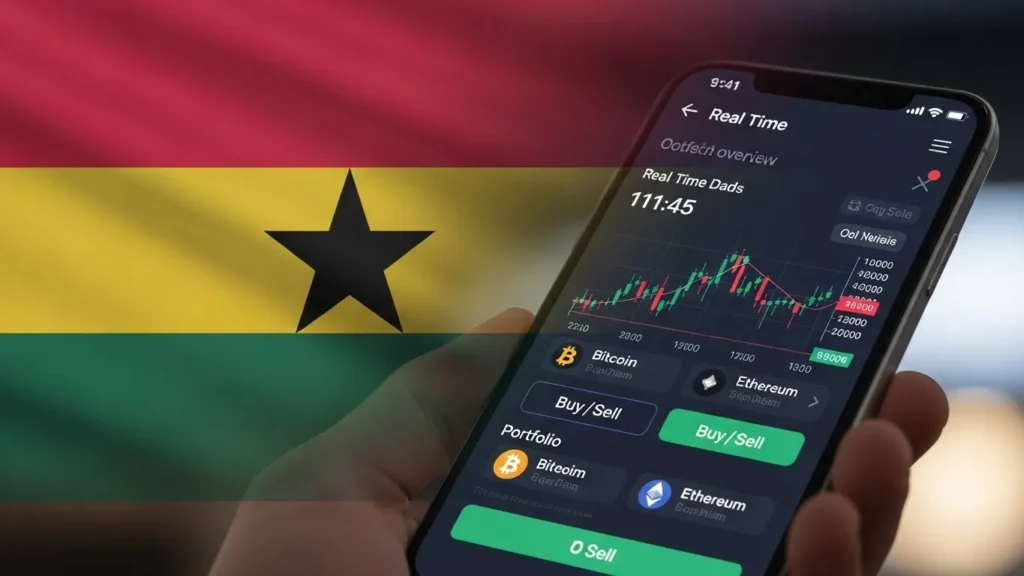
Crypto's Now Legal in Ghana: What Parliament's Historic Decision Means for You
Meta Description: Crypto's now legal in Ghana. Bank of Ghana Governor confirms legalization, ending legal uncertainty. Here's what the new VASP framework means for traders, businesses, and the economy.
Crypto's now legal in Ghana. After years of operating in a legal gray zone, Parliament has officially passed the Virtual Asset Service Providers (VASP) Bill, 2025, giving digital asset trading full legal recognition. Bank of Ghana Governor Dr. Johnson Asiama made it crystal clear: “Effectively, virtual asset trading is now legal, and no one is going to be arrested for engaging in crypto.” But this isn't a free-for-all, here's exactly what changed and why it matters.
For more lifestyle and fintech context around Ghana's digital shift, see Debesties' tech and money stories at Debesties.com.
What Crypto's Now Legal Status Actually Means
For the first time, cryptocurrency trading in Ghana sits inside a formal legal framework, not a grey area. That's huge for the over 3 million Ghanaians already using or holding virtual assets, as noted in the Bank of Ghana's policy position on virtual assets. Until now, you were operating in uncertain territory, now you're protected under law and supervision.
Dr. Asiama explained that this move is “not just a legal milestone but an enabler of better policies, stronger supervision, and more effective regulation.” The Bank of Ghana, working with the Securities and Exchange Commission (SEC) and Financial Intelligence Centre (FIC), now has explicit authority to license, supervise and oversee virtual asset service providers (VASPs) nationwide.
How the New Regulatory Framework Works
Crypto's now legal under a clear set of guardrails that balance innovation with protection.
1. Licensing and Registration
Every exchange, wallet provider, and digital asset platform operating in Ghana must:
- Register and obtain a license from the Bank of Ghana under the VASP law.
- Meet capital, governance, and cybersecurity standards before onboarding users.
Licensed platforms will be vetted to ensure they're solvent, technically secure, and operating in line with both Ghanaian law and international best practice.
External reference: Bank of Ghana's virtual assets page outlines the licensing foundation under the VASP Bill.
2. Know Your Customer (KYC) and Anti-Money Laundering (AML)
All VASPs must:
- Perform KYC checks (ID, proof of address, and source of funds) on users.
- Implement AML/CFT controls, including monitoring suspicious transactions and following the FATF “Travel Rule” for crypto transfers.
It's less anonymous, but it reduces fraud, scams, and illicit flows that previously thrived in unregulated P2P markets.
3. Consumer Protection and Disclosure
Under the framework, platforms must:
- Provide standardized risk warnings about volatility, liquidity, and potential loss of funds.
- Offer clear fee disclosures and terms so users know exactly what they are paying for.
If something goes wrong, users now have regulatory recourse via BoG, SEC, or FIC complaint channels.
4. Tax Compliance
- Capital gains tax will apply to crypto trading profits, falling under Ghana Revenue Authority oversight.
- VASPs are expected to provide transaction reporting to support enforcement of tax rules.
5. Securities and Token Oversight
- Tokenized assets and ICOs that behave like securities fall under SEC regulation.
- This keeps scam tokens and unregistered investment schemes in check.
Why the Bank of Ghana Made This Move
Dr. Asiama said the previous unregulated environment “exposed users to fraud, money laundering and systemic risks”, which pushed regulators to act. With crypto usage in Ghana expanding rapidly, the Bank concluded that “virtual assets cannot remain outside of Ghana’s financial regulatory purview.”
The new VASP law aims to:
- Safeguard financial stability while digital finance grows.
- Protect consumers and investors from scams and platform failures.
- Enable responsible innovation so credible fintechs and global partners can operate confidently in Ghana.
Regionally, this move positions Ghana as a regulation-first crypto hub in West Africa, rather than a ban-first jurisdiction. That balance of openness and control could become a template for other African regulators.
For a lifestyle and culture angle on how regulation shapes Ghana's digital money habits, keep an eye on fintech pieces on Debesties.com.
What Changes Immediately for Traders
1. No More Legal Grey Area
You no longer face legal jeopardy for trading Bitcoin, stablecoins, or other virtual assets, as the Governor openly confirmed “no one will be arrested for trading crypto.” That legal certainty alone changes how banks, businesses, and users think about crypto.
2. Platform Shake-Up Is Coming
- Every serious exchange or wallet in Ghana must apply for a Bank of Ghana license.
- Some global platforms may exit the market instead of adapting to local rules, while others will double down and localize operations.
Expect a transition period where:
- Some apps start demanding full KYC,
- Others tweak services to fit what BoG and SEC will allow, and
- New Ghana-first crypto platforms emerge to compete.
3. Compliance Timelines and Guidance
The VASP law is in place, but BoG will roll out detailed implementation guidelines and a phased roadmap. That includes:
- Deadlines for existing VASPs to register and upgrade controls,
- Interim rules for operating while applications are processed, and
- Gradual tightening of oversight as systems mature.
For official updates, always cross-check with:
- BoG Virtual Assets page (policy & framework): https://www.bog.gov.gh/virtual-assets/
- BoG Policy Position on Virtual Assets and Service Providers (PDF): https://www.bog.gov.gh/news/ghanas-policy-position-on-virtual-assets-and-service-providers/
The Bigger Economic Picture
Crypto's now legal in Ghana is more than a headline, it's a signal of regulatory maturity. The country has moved from cautious warnings to a full legal, risk-based framework in just a few years.
For young Ghanaians and tech founders, this means:
- A legit environment to build crypto exchanges, payment apps, and blockchain projects without constantly looking over their shoulders.
- Easier access to international partners and funding, because investors trust regulated markets more.
For financial stability, Ghana chose regulate, not ban. Evidence from global markets shows that well-regulated crypto sectors can support innovation while limiting blow-ups like FTX-style collapses. By aligning with FATF standards and global best practice, Ghana reduces de-risking pressures from international banks and keeps its financial system plugged in.
If you want a human, lifestyle-focused take on how this reshapes everyday money use in Ghana, check back for follow-up explainers on Debesties.com.
What to Watch Next
- BoG Licensing Guidelines: These will spell out exactly which platforms you can trust and what protections apply.
- List of Approved VASPs: Expect BoG or SEC to publish a list of licensed platforms so users can avoid unregistered operators.
- Tax Rules from GRA: Clarity on how to declare crypto income and what records you need to keep.
- Regional Ripple Effects: Other African regulators watching Ghana's rollout may adopt similar VASP-style laws.
Bottom Line
Crypto's now legal in Ghana. It's not unregulated chaos, it's legalized, supervised digital asset trading under a framework designed to protect users and keep the financial system stable. For traders, this removes legal risk and offers safer platforms. For businesses, it opens doors to launch licensed services. For the wider economy, it's a calculated bet that blockchain and digital assets can drive jobs, investment, and innovation.
To stay on top of how this shift plays out in Ghanaian life, culture, and money, bookmark Debesties.com and pair it with official updates from the Bank of Ghana at https://www.bog.gov.gh/virtual-assets/.




Discussion 2 comments
You must be logged in to write a comment.
Log In Sign Up