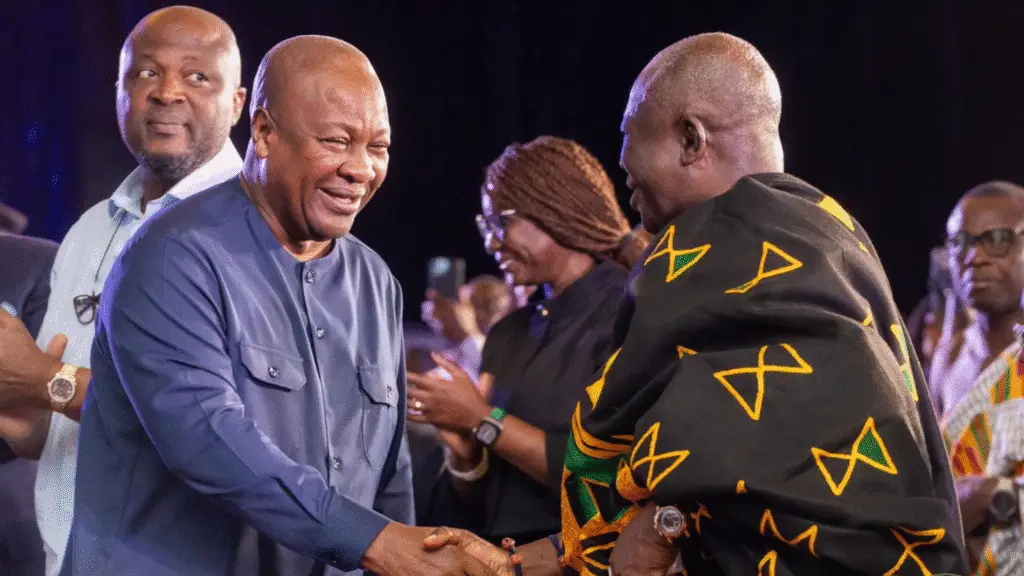
Bawumia digital vision is taking shape after Ghana’s 2024 election, as Dr Mahamudu Bawumia reconnects with NPP grassroots supporters and prepares a new strategy ahead of 2028.
Question: What is Dr Mahamudu Bawumia’s new strategy after losing Ghana’s 2024 election?
Answer: Dr Mahamudu Bawumia is rebuilding his image around party renewal, digital reforms and a fresh economic message while keeping close ties to NPP grassroots ahead of 2028.

Bawumia digital vision is now back in focus as Dr Mahamudu Bawumia repositions himself after losing Ghana’s 2024 election. Rather than retreating from public life, the former Vice President is reshaping his image around technology-driven reforms, party renewal, and closer engagement with NPP grassroots supporters.
After his calm concession in 2024, Bawumia’s strategy has shifted from campaign messaging to long-term positioning. His renewed digital vision, combined with grassroots outreach and economic messaging, is shaping how he prepares for a possible 2028 comeback.
Table of Contents
Bawumia Digital Vision: Who Is Dr Mahamudu Bawumia?
Bawumia digital vision focuses on using technology to modernise government services, reduce corruption, and make the economy more efficient.
At its core, the idea is simple:
use digital systems to replace paperwork, middlemen, and manual processes.
Key goals included:
- Making government services faster and more transparent
- Reducing corruption through data tracking
- Improving access to financial services
- Supporting businesses with digital payments and records
Real Examples of Bawumia’s Digital Vision in Action
Unlike abstract policy ideas, Bawumia digital vision was rolled out through real systems that many Ghanaians used.
Ghana Card
- Created a single national digital ID
- Linked citizens to services like banking, SIM registration, and public records
- Reduced identity fraud and duplicate records
Read also: Ghana Card Fees 2026 Replacement Now GH₵200 Explained
Mobile Money Interoperability
- Allowed transfers across networks without high fees
- Helped small traders, drivers, and informal workers move money easily
- Increased digital payments nationwide
Digital Address System
- Gave homes and businesses traceable digital locations
- Improved emergency response and deliveries
- Helped banks and service providers verify addresses
Online Government Services
- Passport applications
- Driver’s licence renewals
- Business registration
These tools formed the practical foundation of Bawumia digital vision.
Grassroots Impact: What Worked and What Didn’t
At the grassroots level, the results were mixed.
What Worked
- Faster transactions for traders using mobile money
- Easier access to banking for people without traditional accounts
- Reduced queues and paperwork for some public services
What Didn’t
- Rising cost of living overshadowed digital gains
- Internet access and digital literacy gaps remained
- Many voters felt digital reforms did not directly lower prices or create jobs
This gap between digital progress and daily economic pressure remains a major challenge for Bawumia digital vision.
Why Bawumia’s Digital Vision Still Matters for 2028
Despite criticism, Bawumia digital vision continues to shape how he is viewed politically.
It positions him as:
- A technocratic and data-driven leader
- A politician focused on systems rather than slogans
- A candidate offering continuity with reform, not disruption
For supporters, the vision needs refinement, not abandonment.
For critics, it must deliver clearer economic relief to win trust again.
Key Takeaways
- Bawumia digital vision focused on technology-driven governance
- Major projects included Ghana Card, mobile money interoperability, and digital services
- Grassroots impact was real but uneven
- Economic hardship weakened public confidence in the reforms
- The vision remains central to Bawumia’s long-term political identity
Final Thoughts
Bawumia digital vision is no longer just about technology — it is now about trust.
As Ghana looks toward the future, voters will judge whether digital systems can translate into lower costs, better jobs, and improved living standards. What happens next will determine whether the vision becomes a foundation for 2028 or a lesson from the past.