Ghana IMF update: $385m new payout, 1.5% primary surplus target and what the reforms mean for growth, inflation and everyday life.
Ghana IMF Update: New $385m Boost And 2025 Surplus Target
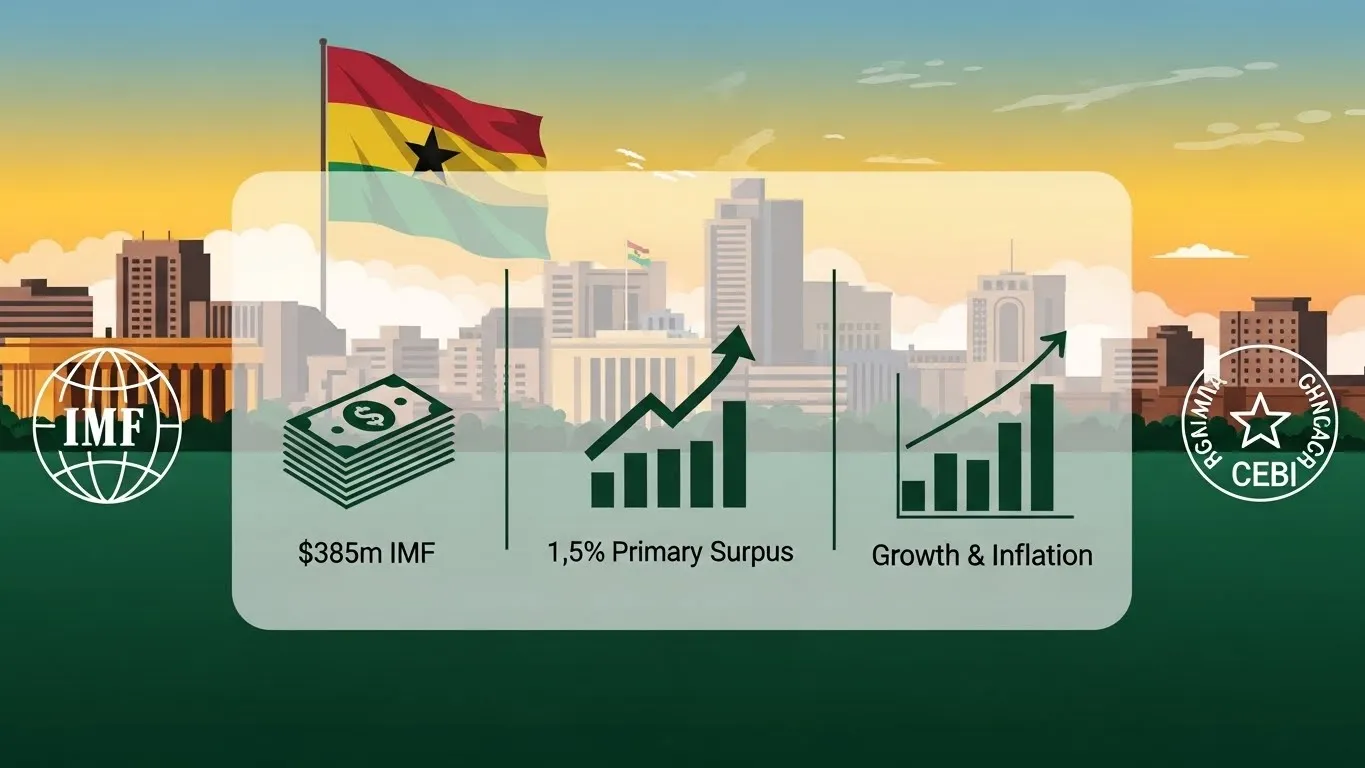
This ghana imf update looks at the fresh $385 million the IMF has just released to Ghana, the push for a primary surplus in 2025, and what all this means for ordinary people. The numbers look better on paper, but the trade-offs are real.
What Happened
The IMF’s Executive Board has completed the fifth review of Ghana’s Extended Credit Facility (ECF) programme, which started in 2023. With that sign‑off, Ghana gets a new disbursement of about $385 million, taking total IMF support since 2023 to roughly $2.8–2.83 billion out of the $3 billion package.
According to the Fund, Ghana’s programme performance is “broadly satisfactory”, even if a few reforms are moving slower than first planned. The latest ghana imf update also highlights three big economic shifts:
- Growth: The economy expanded by around 5.7% in 2024, helped by stronger activity in mining, agriculture, ICT and construction.
- Inflation: After soaring above 50% in 2022, inflation has dropped back toward the Bank of Ghana’s target range, easing some pressure on food and transport costs.
- External sector: Higher gold and cocoa export earnings, plus IMF inflows, have helped rebuild reserves and calm the cedi.
For the official wording, you can skim the IMF release:
Why It Matters For Ghana
Under the deal, Ghana has promised to tighten its budget and stop the old habit of running large deficits year after year. The key fiscal target in this ghana imf update is a primary surplus of 1.5% of GDP by the end of 2025, not 15%.
- In earlier years, Ghana ran big primary deficits and borrowed heavily to fill the gap.
- Now, the IMF says Ghana is on track to flip that into a 1.5% primary surplus in 2025, after already posting a smaller surplus in the first part of the year.
If that happens, it will mark a big shift: government will cover its day‑to‑day costs from domestic revenue, before paying interest. Over time, that should slow the build‑up of new debt and reduce crisis risk.
At the same time, tighter budgets can hurt in the short term. There’s less room for public hiring, subsidies or quick campaign promises, which is why many Ghanaians watch IMF news with mixed feelings.
The Reforms Behind The Money
The latest ghana imf update also confirms the main conditions Ghana has signed up for:
- Fiscal consolidation. Government is cutting primary spending, cleaning up arrears and trying to raise more non‑oil taxes to keep that primary surplus going beyond 2025.
- Debt restructuring. Deals with official creditors are in place, and talks with commercial bondholders are ongoing, all aimed at making Ghana’s debt “sustainable” again.
- Energy sector fixes. The programme pushes for cost‑reflective tariffs and better management of state‑owned power companies to stop the sector from piling up fresh losses.
Supporters say these steps are the bitter medicine Ghana needs to avoid another blow‑up later. Critics respond that the same medicine can feel harsh when prices rise, new levies kick in and jobs stay tight.
The Debate: Help Or Handcuffs?
As usual with a ghana imf update, the reaction is split. On one side, the IMF and Ministry of Finance point to cooling inflation, stronger reserves and faster growth as signs that the programme is working. On the other, analysts and civil society groups worry about:
- Debt sustainability: Will Ghana stay out of trouble once IMF money stops flowing?
- Social impact: Do new taxes and tariff hikes land too heavily on households and small businesses?
- Long‑term vision: Does the focus on short‑term fiscal targets leave enough space for jobs, industrialisation and value‑added exports?
If you want to feel the impact beyond the graphs, you can pair this ghana imf update with these reads on Debesties:
- December in GH 2025: How to plan the perfect trip – a practical guide to budgeting, flights and events in a season when prices react to inflation and exchange rates.
- December in Ghana 2025: Why Ghana’s biggest December festival is the place to be – a look at how festivals, concerts and tourism dollars benefit the wider economy.