

Ghana music identity is under fire as Kofi Mole says Ghana music has no identity. From Azonto’s rise and fall to KiDi’s concerns, here is why the debate matters.
Ghana music identity crisis and why Kofi Mole says we lost our sound
Question: Why does Kofi Mole believe Ghana music has no identity, and what does this mean for the industry?
Answer: Kofi Mole argues that Ghana abandoned Azonto too quickly, leaving the country without a signature global sound and exposing deeper structural and cultural problems that other artists have also raised.
Ghana gave the world highlife. Ghana gave the world Azonto. In 2026, one of the country’s most respected rappers now says Ghanaian music has no identity. His words hit many people strongly because they echo what artists, producers, and serious fans have been feeling quietly for years.
What You Need to Know
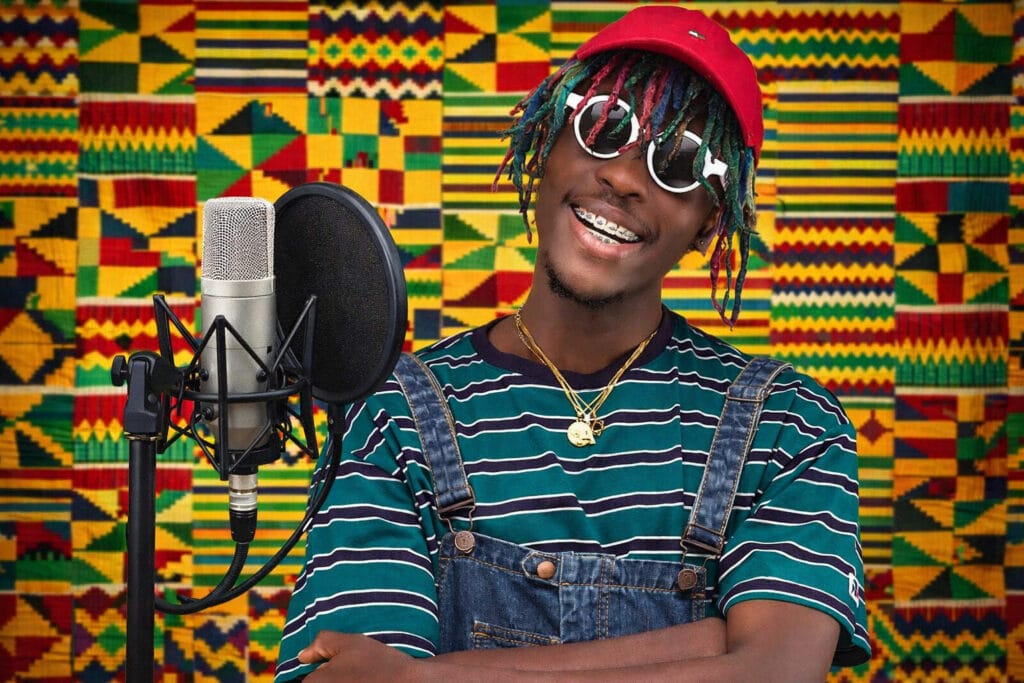
Kofi Mole shared his thoughts in a recent interview on Luv FM’s DriveTimeOnLuv show with host Melvin. During the conversation he made a statement that sparked debate across social media and entertainment platforms.
He said Ghana music is supposed to be booming much more than it is right now but something is clearly wrong. He explained that many players work in isolation and that he does not feel a real industry environment where people move in one direction together.
The Odobra hitmaker then pointed at what he sees as Ghana’s biggest missed chance. He believes the country walked away from Azonto too quickly.
He said Azonto could have been Ghana’s global sound and that it was a clear identity that the world recognised. In his view Ghanaians threw that chance away instead of building on it.
Kofi Mole compared Ghana with countries that have successfully protected and branded their sounds. Nigeria is linked strongly with Afrobeats. South Africa has Amapiano. Jamaica is known everywhere for reggae. He believes Ghana on the other hand does not have one dominant sound that global audiences link directly with the country.
He also complained about a culture of chasing every new wave. He said that before a sound can grow properly people quickly label it as old and push artists to run after something else.
Online trolls make this worse. According to him, any time an artist tries to revisit Azonto or other roots sounds people mock the decision. He recalled a fan telling him to stop doing Azonto music and questioned why Azonto suddenly sounds like foreign music to Ghanaians when it started here.
"Ghana music is supposed to be booming more than this, but something is wrong," he said. "Everybody is on their own. I don't even feel an industry vibe."
How It Works: The Cycle That Killed Ghana's Signature Sound
To understand why this matters it is useful to walk through Ghana’s music journey. The pattern is simple. Ghana creates an influential sound and then lets it fade or drift before it becomes a long term global brand.
Highlife as the foundation
Highlife grew in the early twentieth century from Ghanaian rhythms blended with Western instruments. Icons such as E T Mensah, Ebo Taylor, and Pat Thomas helped it spread across West Africa where it became a symbol of modern African life.
Highlife shaped Fela Kuti’s early sound and influenced the development of Afrobeat in Nigeria. Many modern Afrobeats songs still carry highlife progressions and guitar lines even when the branding no longer mentions Ghana directly.
Political and economic shocks in Ghana, including curfews and unstable nightlife periods, damaged the live band culture that supported highlife. As clubs closed, the business side of the genre struggled and younger artists moved into new directions.
Hiplife as the bridge
In the 1990s, hiplife appeared by placing rap verses over highlife flavored beats. The style created a bridge between older sounds and a new hip hop generation. It ruled Ghanaian radio and street culture for many years.
Hiplife proved that Ghanaian artists could update tradition successfully. However, it largely stayed inside the region and did not receive the same global structures, marketing and playlist support that Afrobeats enjoys today.
Azonto as the missed opportunity
Azonto exploded between 2012 and 2014 with a mix of Ga rhythms, simple but creative dance moves and catchy hooks. The sound and dance travelled quickly through YouTube, club culture, and diaspora events.
Fuse ODG’s single Azonto entered the UK Singles Chart and gained millions of views on YouTube, giving Ghana a clear and visible identity in international pop for a moment.
Influential industry figures saw the opportunity. In 2013, Alhaji Sidiku Buari called for a fusion of highlife with Azonto to protect Ghana’s uniqueness and keep control over the sound before outsiders reshaped it.
Within a few years, local attention shifted away from Azonto. Afrobeats from Nigeria became dominant in clubs and on radio. Many Ghanaian artists moved in that direction instead of doubling down on Azonto as a Ghana first export sound.
The current gap
Today the scene in Ghana is rich but scattered. Artists like Black Sherif, Sarkodie, Stonebwoy, Gyakie and KiDi all have strong personal brands and international reach. They work across drill, rap, Afrobeats, dancehall, highlife revival and R and B.
This variety is a strength locally but it also means there is no single sound that the world can call Ghana music in the same clear way that it calls Afrobeats Nigerian. This is the gap Kofi Mole is pointing at when he says Ghana music has no identity.
Why It Matters in Ghana
Kofi Mole’s comments did not come out of nowhere. Other artists and media voices have been raising similar concerns about structure and direction.
In late 2025, KiDi openly stated that Ghana does not have a functioning music industry. He argued that key systems such as royalties, long term marketing support and institutional backing are weak or missing. He said that in a proper industry his own career would be operating at a much higher level.
He explained that the industry exists mostly in name and that many artists are left to push alone. He described a situation where almost everyone is working individually without a strong shared framework.
Media personality Kwame Dadzie later joined the conversation by questioning why big Ghanaian events often place foreign headliners above local stars. He urged event organisers and cultural bodies to be more deliberate in platforming Ghanaian artists at the highest level.
These examples show that the identity issue is not just about the style of beats or melodies. It is also about the systems, gatekeepers, and decisions that decide which sounds get long term support.
For Ghanaians abroad, the question of identity is even more emotional. Music is one of the main ways the diaspora connects to home. When a Ghanaian sound is strong, it shapes how people see the country at festivals, in clubs, and online.
When the space feels dominated by other countries’ sounds, Ghanaian fans can feel like their culture is being folded into a general Afrobeats label in which Nigeria sets most of the rules. That is part of why the Ghana music identity debate continues to attract interest outside the country as well.
Many industry watchers believe the way forward includes patient development of a recognisable Ghanaian sound, stronger structures for artists, and a clear narrative that links highlife, hiplife, Azonto and newer movements such as drill into one story.
Common Questions Answered
Does Ghana really have no music identity
Ghana has a rich set of musical identities including highlife, hiplife and Azonto. Kofi Mole’s point is that none of these currently operates as a single, unified global brand in the way Afrobeats represents Nigeria.
Is Azonto finished
Azonto is not completely gone. The dance is still recognised and some artists continue to use elements of the sound. However, it is no longer the leading force in mainstream Ghanaian releases.
What about Ghana drill and Asakaa
The Kumasi drill and Asakaa movement has built a solid subculture and international curiosity. For now it functions more as a niche lane rather than a national umbrella sound.
Key Takeaways
- Kofi Mole believes Ghana abandoned Azonto too quickly and lost a clear global identity in the process.
- He says Ghana music lacks an industry feeling and that many players are moving alone instead of in a united way.
- KiDi has also complained about weak structures and questioned whether Ghana has a real music industry.
- Ghana’s history from highlife to hiplife to Azonto shows repeated innovation without long term protection of its creations.
- Political and economic instability weakened highlife’s live club foundation, making it harder for the genre to hold its regional dominance.
- Azonto briefly gave Ghana a clear international spotlight before attention shifted to Afrobeats from Nigeria.
- Many Ghanaian artists now work across several styles, which brings diversity but makes branding a single Ghana sound more difficult.
- Media and industry voices are calling for more deliberate support for local headliners at major events.
- The identity discussion matters deeply to the Ghanaian diaspora, who rely on music to represent home abroad.
- A stronger Ghana music identity likely requires patient development, better structures, and a clear narrative that credits Ghana’s role in shaping modern African pop.



Discussion 1 comments
You must be logged in to write a comment.
Log In Sign Up