

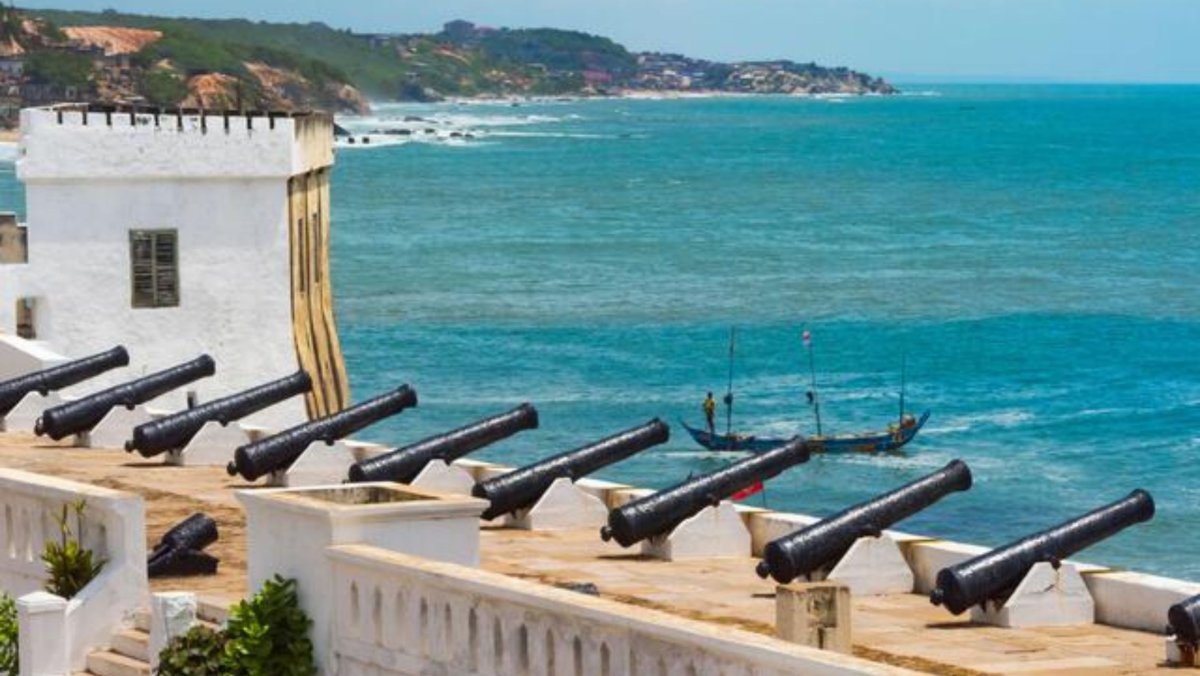
Ghana travel 2026 presents an extraordinary opportunity to explore one of West Africa's most welcoming, historically significant, and culturally diverse nations. Beyond the fast rhythm of the capital, Ghana rewards travelers who take the time to journey across regional boundaries. From the ancient rainforest canopies of Kakum to the elephant corridors of the northern savannah, the country delivers distinct regional adventures suited for backpackers, culture enthusiasts, and returning diaspora families alike.
Understanding how each geographic zone operates makes moving between regions straightforward and rewarding. Paved transit corridors connect coastal fishing ports to forested highlands and northern wildlife sanctuaries. Planning a balanced itinerary allows you to experience Ghana's deep historical roots while engaging directly with contemporary community tourism.
Quick Facts at a Glance
Location and Coverage: National guide spanning Greater Accra, Central, Western, Ashanti, Eastern, Volta, and Savannah regions.
Entry and Attraction Costs: Historic castle entry ranges from GHS 40 to GHS 100 for non-residents. National park safaris start around GHS 120 per adult.
Domestic Travel Budgets: Backpacker style averages $35 to $60 daily, while comfortable private vehicle travel runs $120 to $220 per day.
Primary Transit Hubs: Kotoka International Airport in Accra connects to Tamale and Kumasi via domestic flights with PassionAir and Africa World Airlines.
Crucial Practical Warning: Always carry physical cash in Ghana Cedis for regional road tolls, park gates, and rural community fees where cellular networks dip.
Coastal Heritage and Historic Fortresses of the Central Region
The Central Region sits at the epicenter of Ghana's transatlantic history and remains an essential stop for any thoughtful traveler. Cape Coast Castle and Elmina Castle stand as UNESCO World Heritage sites that document centuries of European mercantile exploitation and the horrors of the slave trade. Walking through the stone dungeons and emerging at the Door of No Return provides an emotionally profound educational experience.
Non-resident adult tickets for Cape Coast Castle cost GHS 100, which includes a mandatory guided tour led by knowledgeable resident historians. Neighboring Elmina Castle, built by the Portuguese in 1482 as São Jorge da Mina, charges similar rates and overlooks a vibrant harbor filled with hundreds of colorful wooden pirogues. Combining both castles into a single coastal day trip offers a comprehensive perspective on West African maritime contact.
A short 40-minute drive inland from Cape Coast brings you to Kakum National Park. Kakum preserves a virgin tropical rainforest that is home to forest elephants, bongo antelopes, and hundreds of bird species. The park is world-famous for its canopy walkway, consisting of seven suspended bridges hanging 40 meters above the forest floor. International visitors pay GHS 120 for the walkway, and arriving before 8:30 AM guarantees cool morning air and fewer tour crowds.
Living Royalty and Craft Villages in the Ashanti Kingdom
Kumasi serves as the proud cultural heart of the Ashanti people and the historic capital of the Asante Empire. The city moves around the sprawling Kejetia Market, recognized as one of the largest continuous open-air commercial centers in West Africa. Kejetia houses thousands of covered stalls trading in hand-printed textiles, brass ornaments, traditional herbs, and fresh agricultural produce.
Cultural exploration in Kumasi begins at the Manhyia Palace Museum, the official ancestral seat of the Asantehene. Visitors can tour the historic residence built by the British in 1925 for King Prempeh I following his return from exile in Seychelles. Entrance fees of GHS 100 provide guided access to royal regalia, gold weights, treaties, and photographic archives that chronicle the kingdom's resistance to colonial expansion.
Just outside Kumasi lie dedicated artisan communities that preserve centuries of Akan manufacturing expertise. Visit the village of Bonwire to watch master weavers manipulate wooden looms to create intricate royal kente cloths. Continue to Pankrono for terracotta pottery or Ntonso to learn how local artisans carve adinkra stamps and brew natural dye from the bark of the badie tree.
Mountain Highlands and Waterfall Trails in the Volta Region
The Volta Region provides a dramatic change in elevation, featuring misty mountains, serene river systems, and dramatic cascades. The regional center of Hohoe serves as the base for exploring Mount Afadja, which stands as Ghana's highest peak at approximately 885 meters above sea level. The steep ascent through lush vegetation takes roughly two hours and rewards hikers with sweeping views across neighboring Togo.
Near the border town of Wli, the Agumatsa Wildlife Sanctuary protects Wli Waterfalls, the tallest waterfall in West Africa. The cascade plunges 80 meters down sheer rock cliffs into a clean mountain plunge pool surrounded by thousands of fruit bats. Walking to the lower falls is a flat, scenic 45-minute stroll crossing several wooden footbridges, while the strenuous trek to the upper falls requires a certified local park guide.
For water recreation, the lower reaches of the Volta River near Akosombo and Ada Foah offer peaceful escapes. Travelers can rent kayaks, hire riverboats to view the impressive Akosombo Dam, or stay at secluded river resorts that serve freshly caught river prawns and grilled tilapia.
Safari Walking Trails in the Northern Savannah
Journeying into the northern territories introduces travelers to a dramatically different landscape of sweeping grasslands, baobab trees, and distinct mud-brick architecture. Mole National Park in the Savannah Region covers nearly 5,000 square kilometers and represents Ghana's premier destination for wildlife viewing. The park protects healthy populations of African savannah elephants, roan antelopes, waterbucks, warthogs, and baboons.
What makes Mole unique across West Africa is the opportunity to embark on walking safaris accompanied by armed wildlife rangers. Morning foot safaris cost approximately GHS 120 per person plus ranger guidance fees, allowing visitors to approach grazing elephant herds quietly on foot. For broader exploration, travelers can hire park four-wheel-drive safari vehicles to navigate dirt tracks toward distant watering holes.
Just outside the park gate sits the historic village of Larabanga, home to the Larabanga Mosque. Built in the seventeenth century in the Sudanese architectural style with packed earth, timber frame posts, and whitewashed clay walls, it stands as Ghana's oldest surviving Islamic structure. Pay the community preservation fee to explore the exterior and learn about the village's historic trade routes across the Sahara.
Surf Breaks and Laid Back Coastal Villages in the West
Travelers seeking empty shorelines and relaxed coastal living should head westward toward the coastal towns of the Western Region. Busua Beach serves as the undisputed capital of Ghana's growing surf culture. The bay features consistent beach breaks and point breaks that cater to complete beginners as well as experienced wave riders.
Independent surf camps operate directly on Busua's sand, offering board rentals starting from GHS 70 per day alongside personalized surf clinics. The village maintains a friendly community feel where travelers can dine on fresh lobster, practice beach yoga, and stroll over the headland to the quiet cove of Butre.
Farther west toward the border with Côte d'Ivoire lies the stilt village of Nzulezu, built entirely over the waters of Lake Tadane. Accessible only by a scenic 45-minute canoe ride through pristine papyrus waterways, the village offers a glimpse into historic settlements founded centuries ago by refugees seeking safety. Community guides explain traditional lake governance, fishing methods, and raffia palm construction.
Practical Transportation and Regional Logistics
Moving between distant regions requires choosing between time efficiency and road exploration:
Domestic Flight Routes: Africa World Airlines and PassionAir operate daily scheduled flights between Accra, Kumasi, and Tamale. Flying saves up to ten hours of road transit, making northern safaris accessible for shorter holidays.
Intercity VIP Buses: Reliable long-distance coach operators like VIP Jeoun provide air-conditioned express service between major cities. Buses depart from designated terminals in Accra and Kumasi once seats are full, requiring minimal pre-booking.
Shared Regional Trotros: Minibuses connect secondary towns and rural attractions. While highly economical, they involve frequent stops and limited legroom, making them best suited for shorter hops between neighboring towns.
Private Vehicle Hire: Renting a vehicle with a professional driver provides maximum flexibility for rural photography and spontaneous detours. Always confirm whether the daily rate includes fuel and driver accommodation allowances.
Essential Travel Tips and Preparation Advice
Maximizing your journey through the regions requires thoughtful preparation:
Procure Small Currency Notes: Bank card terminals and Mobile Money connectivity are standard in major regional capitals, but rural park gates and boat jetties require cash in Ghana Cedis. Keep five, ten, and twenty cedi notes safely separated in your daypack.
Pack Lightweight Breathable Fabrics: Tropical temperatures remain warm year-round. Pack loose linen or quick-drying cotton shirts, sturdy hiking shoes for mountain paths, and a light rain shell for sudden forest showers.
Respect Local Etiquette and Chieftaincy Traditions: When visiting rural villages like Nzulezu or sacred groves, greet community elders and ask permission before photographing residents or traditional shrines.
Stay Well Hydrated: Always carry sealed bottled water or verified filtered water when hiking or spending full afternoons under the savannah sun.
FREQUENTLY ASKED QUESTIONS
What are the best places to visit in Ghana for first-time travelers?
First-time visitors should focus on a classic circuit combining historical sites in Accra, the slave trade castles and canopy walk in Cape Coast, and the royal artisan villages of Kumasi. Travelers with additional days should fly north to Mole National Park for wildlife safaris.
Is Ghana safe for independent travelers?
Ghana is widely recognized as one of the most stable, secure, and hospitable nations in Africa. While violent crime against visitors is rare, travelers should take standard precautions such as avoiding unlit rural roads at night, keeping belongings secure in crowded bus terminals, and using licensed taxis.
How much should I budget per day for traveling across Ghana?
Budget travelers using public transport and staying in family guesthouses can travel comfortably on $35 to $60 daily. Mid-range visitors booking air-conditioned hotels, domestic flights, and private safari excursions should plan for $120 to $220 per day.
What is the best time of year to visit Ghana?
The dry season from November through March provides the best conditions for travel, featuring dry roads, sunny beach weather, and optimal wildlife viewing around northern watering holes. This period also coincides with the vibrant cultural festivals of December.
Related: the Aburi Botanical Gardens.



Discussion 0 comments
You must be logged in to write a comment.
Log In Sign UpNo comments yet. Be the first to start the conversation!