

Ghanaian youth culture started in Accra, Kumasi and Cape Coast, and it now reaches audiences in London, New York and Berlin through music, fashion and short video. It is not one scene. It is a set of connected movements, each with its own history, and this guide follows five of them with named examples you can check.
Quick Answer: Ghanaian youth culture is shaping global trends through music such as azonto and Ghanaian drill, streetwear brands such as Free The Youth, online creators, and activism such as #FixTheCountry. Each started with young people in Ghana using cheap tools and social media to reach a world audience.

Music: from azonto to Ghanaian drill
Music is the most visible part of Ghanaian youth culture. Azonto is a dance and music style linked to coastal Greater Accra towns such as James Town, Teshie and Nungua. Wikipedia's account says amateur YouTube videos in 2011 helped it spread, tracks such as Sarkodie and E.L.'s "U Go Kill Me" kept it going, and by 2012 diaspora dancers in the UK, Germany and the US were posting tutorials.
A newer wave came with Black Sherif, who broke out in 2021 with "First Sermon" and "Second Sermon". OkayAfrica describes a sound that mixes highlife, Afrobeats, hip hop and Ghanaian drill, rooted in the Asakaa drill scene. For the awards side of the story, see our TGMA history and categories guide.
Fashion: Free The Youth and streetwear
Free The Youth is the clearest fashion example. It is a creative collective formed in 2016 by Jonathan Coffie, Winfred Mensah, Richard Ormano and Kelly Foli, originally from Tema and now based in Accra, according to Wikipedia. Black Enterprise reported that Jordan Brand revived the Air Jordan 16 with the group, describing it as Jordan Brand's first official collaboration with a Ghanaian design group.
The lesson is that a local label, built from a small studio and a clear identity, can be picked up by a global brand without moving away from Accra.
Digital creativity and online influence
Short video and social platforms let young Ghanaians reach a global audience without a broadcaster. Comedy skits, dance challenges, education channels and food videos all travel the same way azonto did, through shares and diaspora audiences. Creators are also building businesses, and our guide on how content creators make money in Ghana explains the income routes.
Activism: #FixTheCountry
Youth culture in Ghana is also political. #FixTheCountry began online in 2021 as a campaign by young Ghanaians about unemployment and poor public services, and it grew into a national movement, as The Borgen Project and VOA describe. Like the music and fashion examples, it shows young people using social media to set the agenda.
Food and everyday culture
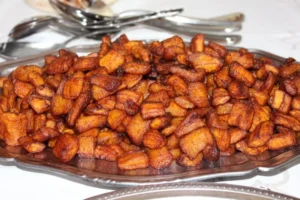
Youth culture also lives in how people eat and gather. Street food, jollof debates and new food spots are part of the conversation online and offline. See our guides to Ghana's traditional dishes and street food and kelewele for the dishes behind it.
Why Ghanaian youth culture matters
These movements build national pride, create work in creative industries and draw attention to Ghana. They also sit alongside older traditions rather than replacing them. For the heritage underneath, read our Ghana culture guide and the festival calendar by region.

Discussion 0 comments
You must be logged in to write a comment.
Log In Sign UpNo comments yet. Be the first to start the conversation!