Discover how to stop being broke with a simple Ghana money reset that fixes leaks, builds a buffer and grows income.
How to Stop Being Broke: A Powerful Money Reset
Question:
How do you stop being broke when life keeps chopping your money every week?
Answer:
To learn how to stop being broke, you need a clear money reset that controls spending, plugs hidden leaks, builds a small buffer and turns your income into a simple plan you can actually follow in Ghana and abroad.
Feeling like your money disappears as soon as it lands is not just about a low salary.
In Ghana and in the diaspora, it is about habits, timing and small leaks you do not track.
You change your money life when you see those leaks clearly and replace them with simple systems that work on auto pilot.

Table of Contents
Why You Keep Feeling Broke (Even When You Earn)
Before you learn how to stop being broke, you must understand why the cycle keeps repeating. Many Ghanaians earn regular income yet feel empty by the second or third week of the month. The problem sits in unplanned spending, silent fees and emotional decisions that follow stress, not a plan.
In Ghana, prices move fast, fuel shifts often and food costs jump when transport costs go up. If you do not update your budget when fuel or food changes, your old numbers lie to you and you feel shocked at the end of the month. Debesties already tracks how fuel swings affect daily life in its Fuel Prices in Ghana: 2 February Update Brings Relief guide, and that same volatility attacks your pocket when you ignore it.
Mobile money makes spending feel light because you tap and go, but momo fees, merchant charges and small transfers add up. Social and family pressure also push you to say yes when you want to say not today, especially for funerals, weddings and school support. You cannot stop all of that, but you can decide how much you can carry each month and stick to it.
Globally, many financial wellbeing coaches talk about money resets and clarity. The pattern is similar across countries: people escape the broke cycle when they step back, see their habits honestly and rebuild their life around a few simple, repeatable actions instead of chasing every new hack they see online.
The 7 Step Ghana Money Reset (Budget + Habits)
This is the practical side of how to stop being broke. Think of it as a seven step reset you can repeat every few months when life changes. The goal is not to create a perfect spreadsheet. The goal is to see your real life on paper and build habits that feel light enough to follow even when you feel tired.
Step 1: Run a 7 Day Money Audit With Zero Judgment
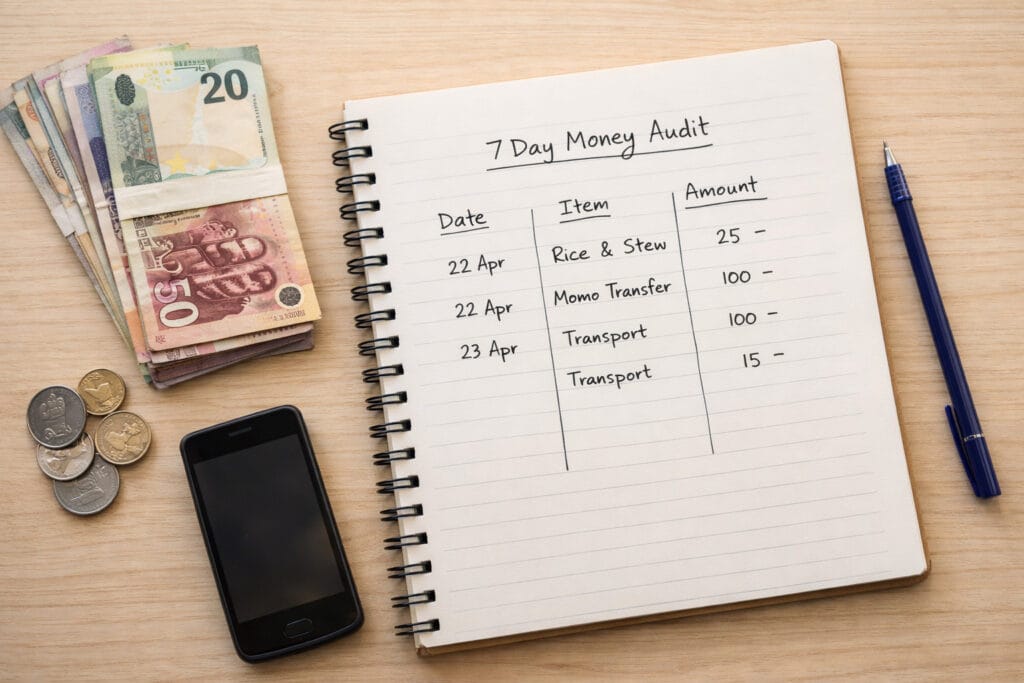
For one week, write down every cedi that leaves your hand or your account.
List food, transport, data and airtime, momo fees, subscriptions, sports betting, family support, nightlife and online shopping.
You are not doing this to shame yourself. You are doing it to see your pattern.
To make it simple, you can use a notes app, a small notebook or a Google Sheet on your phone. The important thing is to write in the same place every day and never rely on memory. This is the same spirit behind many global “financial diary” studies, which show that people only make better decisions when they see the full picture of their daily transactions, not just the big ones.
Step 2: Find Your Top Three Money Leaks and Plug Them Fast
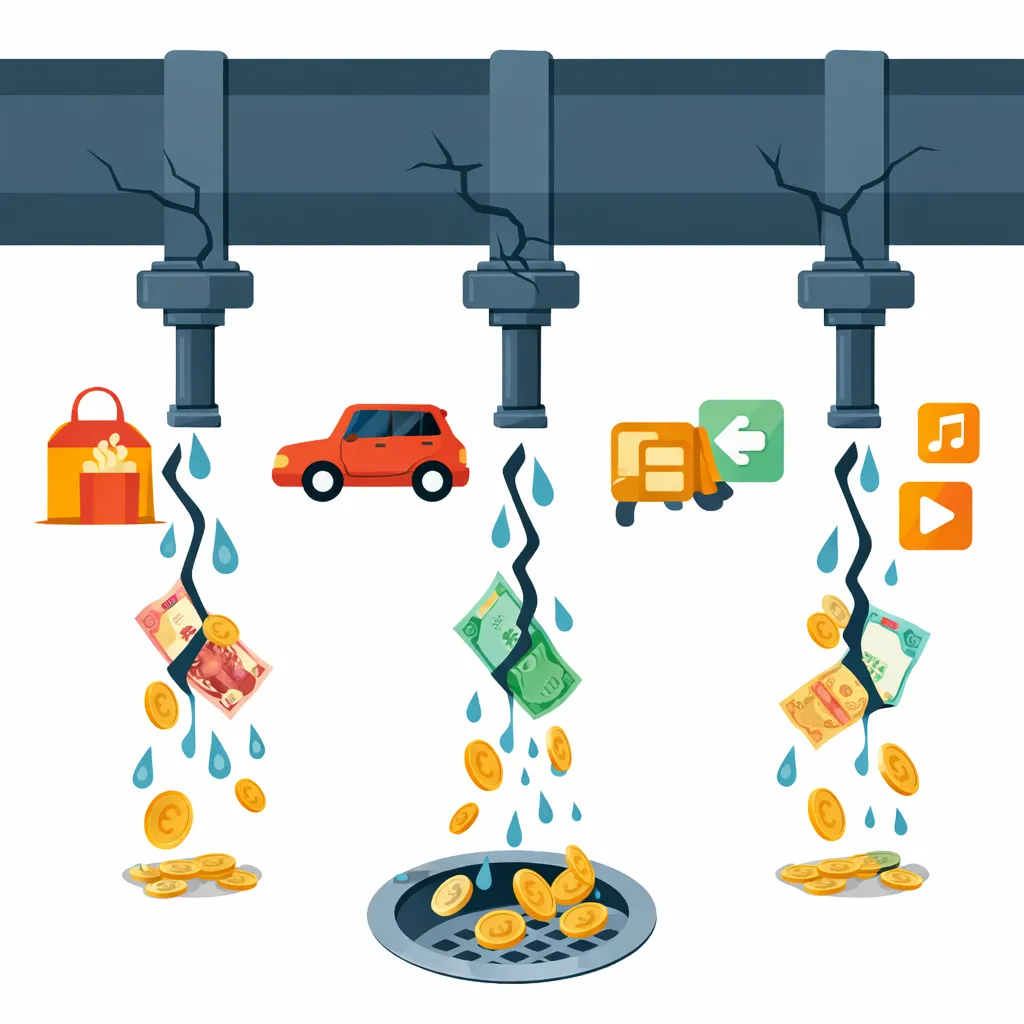
Most people do not have twenty problems. They have three big leaks that repeat every week. Common Ghana leaks include random momo transfers, food delivery instead of cooking, ride hailing when trotro or shared taxis could work, small subscriptions you forgot and weekend chilling that quietly becomes a weekly bill.
After your seven day audit, circle the three categories that shock you the most. Then set clear rules around them. For example, limit nightlife to one planned outing per week, cook at home at least two extra evenings, turn off auto renew for non essential subscriptions and move that money into your buffer. When you decide this in advance, you do not argue with yourself every Friday night.
Step 3: Build a Simple Four Bucket Budget That Matches Real Life
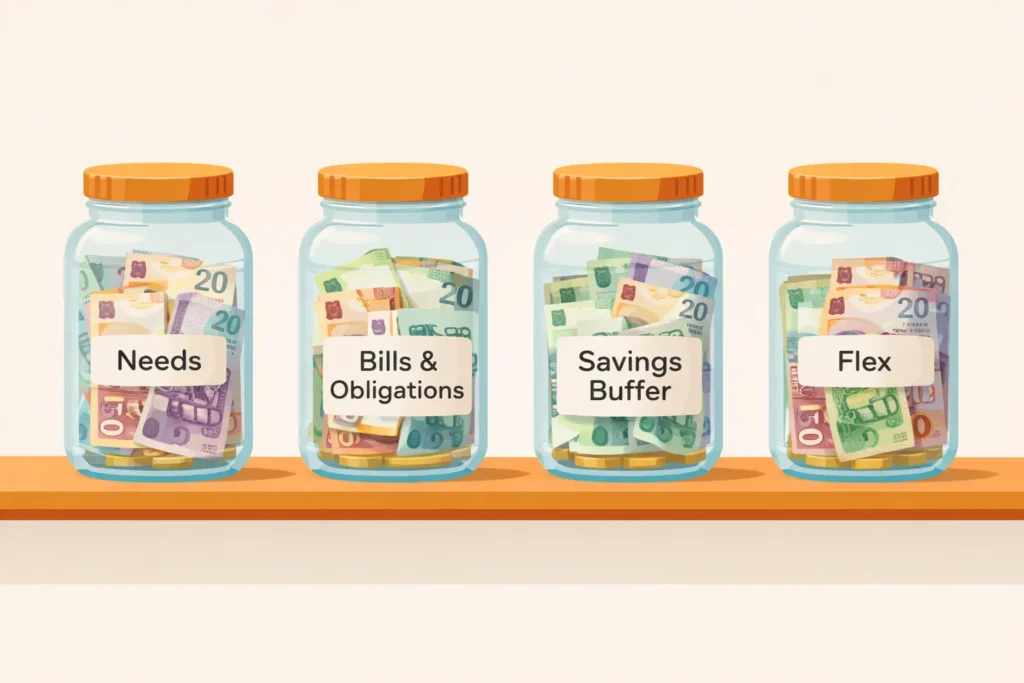
The next part of how to stop being broke is turning your income into four clear buckets. Do not overcomplicate it with ten categories you will never track. Use:
Needs: rent, basic food, transport, utilities, data and airtime you truly need
Bills and obligations: school fees, regular family support, loan and debt payments
Savings buffer: emergency money, even if it starts small
Flex: enjoyment, gifts, personal care and fun
A common starting point is around 60 percent for needs, 20 percent for bills and obligations, 10 percent for buffer and 10 percent for flex. In Accra or diaspora cities with high rent, your needs share may be higher. That is fine. The point is to see how your money splits and then adjust slowly instead of guessing. This idea of a flexible rule comes up in many global budgeting guides, like the 50/30/20 rule, which people adjust based on rent and family size rather than copying blindly.
Step 4: Build a Mini Emergency Buffer Before You Chase Big Investments
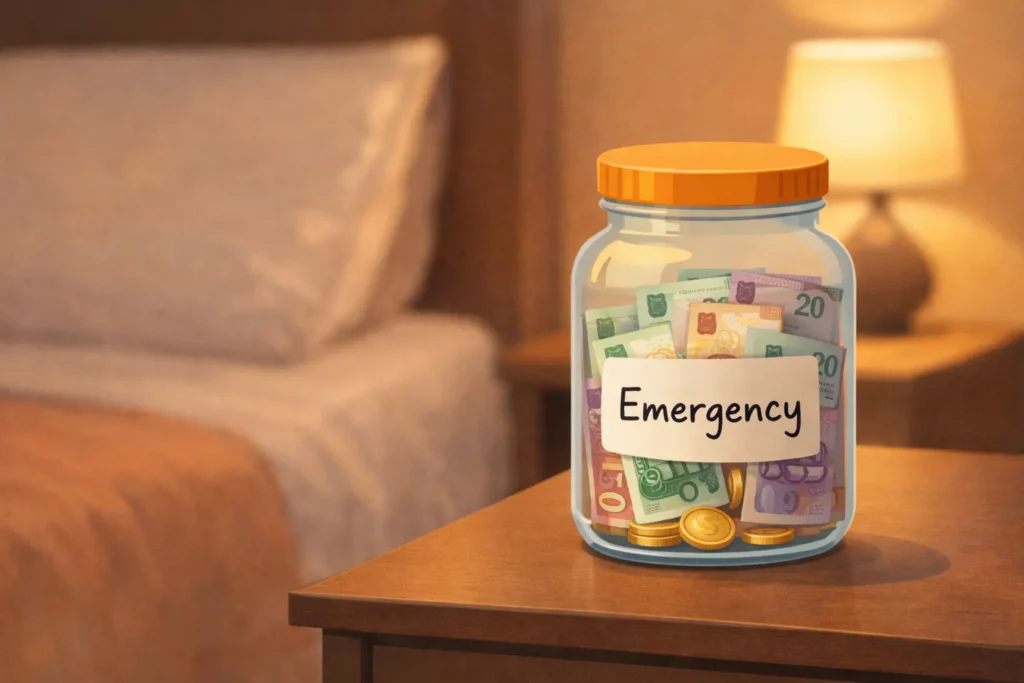
Before you dream about land, stocks or crypto, build a small buffer that covers basic life for a short period. This buffer is what keeps you from panicking when fuel jumps, when a child falls sick or when work delays salary. It is also what stops you from grabbing every “too good to miss” investment offer out of fear.
Pick a number that feels possible for you, not someone else. For some, the first target may be 500 cedis. For others, it may be one month of rent and food. Even ten or twenty cedis a day can build into something over weeks. Automate this saving through a standing order or a separate savings account so you do not argue with yourself every day about whether to save or spend.
Step 5: Use a Trigger Plan When Cravings Hit
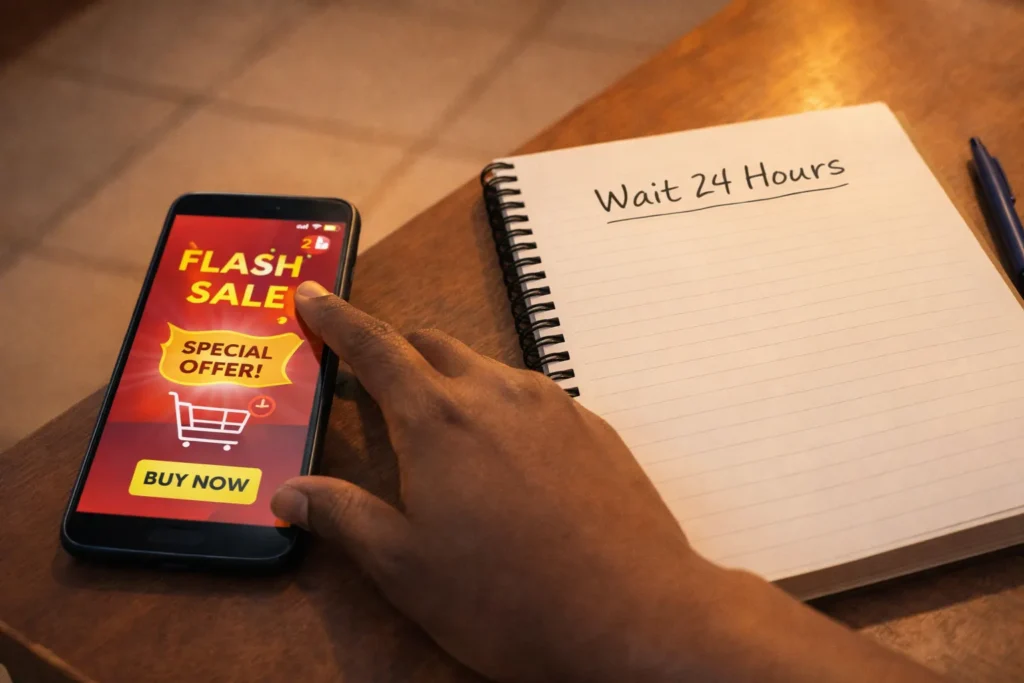
Most people know what to do on paper. They struggle when pressure hits. You see a sale online, a last minute trip with friends or a new phone offer, and you feel you deserve it after a hard week. This is where a trigger plan saves you.
Set simple rules: if you feel like spending suddenly, wait twenty four hours. If you still want it tomorrow, pay from your flex bucket, not from rent or food money. If the item does not fit in your flex budget this month, it waits. This is the same logic used in many habit systems worldwide; you give your brain time to cool down so you can choose from intention, not mood.
Step 6: Grow Income in One Realistic Lane for Thirty Days
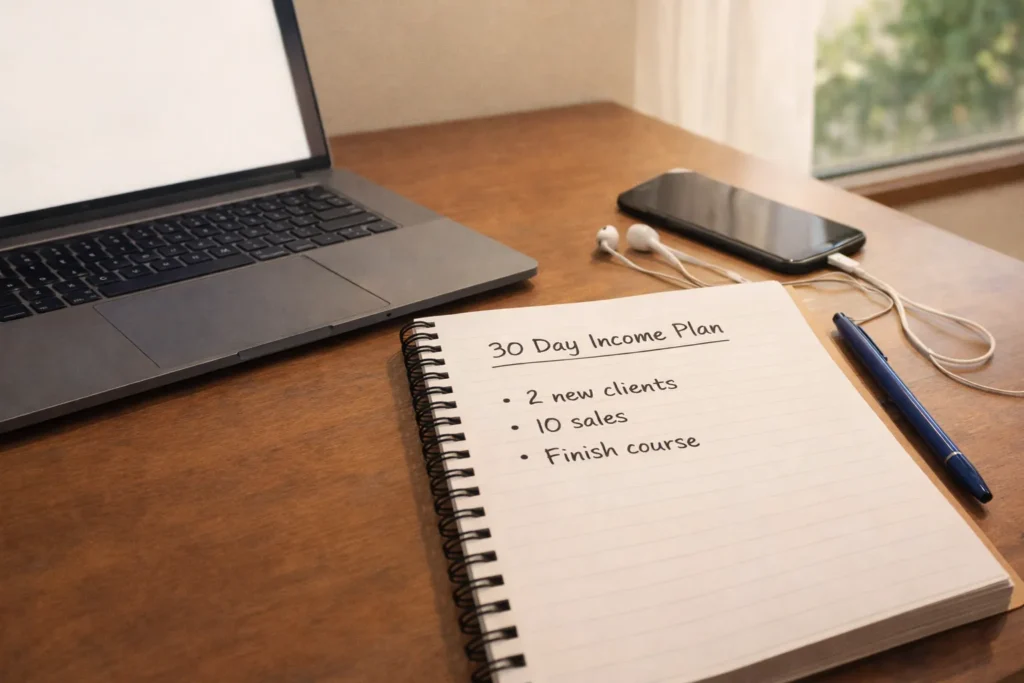
utting costs has a limit. Income has more room. A core part of how to stop being broke is choosing one income lane you can test for the next thirty days instead of jumping between ten hustle ideas on TikTok. You can try a freelance service, weekend gig, small trade, digital product, content work or a skill based side job.
Set one clear goal such as two new clients, ten sales or completing one new skill certificate that can raise your value. Debesties already maps out future ready options in its Ghana Digital Economy Courses: Breakthrough Skills 2026 guide, showing how fintech, data and digital entrepreneurship skills can open better earning paths over time. Start small, but start on purpose.
Step 7: Protect Yourself From Fast Money Traps
When you feel broke and desperate, you become a target. Online scams, unlicensed investments and rushed “double your money” schemes love that feeling. The Securities and Exchange Commission in Ghana often warns the public about high return offers with no clear risk or license, and Debesties has highlighted how regulators keep fighting illegal schemes.
Protect yourself with simple rules. Never invest in something you do not understand. Avoid offers that use countdown clocks or heavy pressure. Always check if a company is licensed before you send money. Start with small test amounts and confirm that you can withdraw. Stay especially careful with new crypto or AI trading projects that no respected regulator or bank has endorsed.
Ghana Reality: Prices, Momo and Family Pressure
Any advice on how to stop being broke in Ghana must respect how unique the context is. Fuel goes up and down, and every change touches food, transport and even mobile data costs. That is why it helps to stay aware of national trends, not just your personal budget. Debesties coverage on Fuel Prices in Ghana: 2 February Update Brings Relief shows how even small drops at the pump can free a bit of breathing space for trotro users and car owners.
Family support is a deep part of Ghana life. Many people feel guilty when they cannot send enough home, or they drain their buffer to meet every request. Instead of trying to cut family out, decide on a fixed monthly amount for family support and treat it as part of your bills and obligations bucket. When new requests come, you can say this month is full, but I will add yours to next month. That way you respect your people and your financial limits.
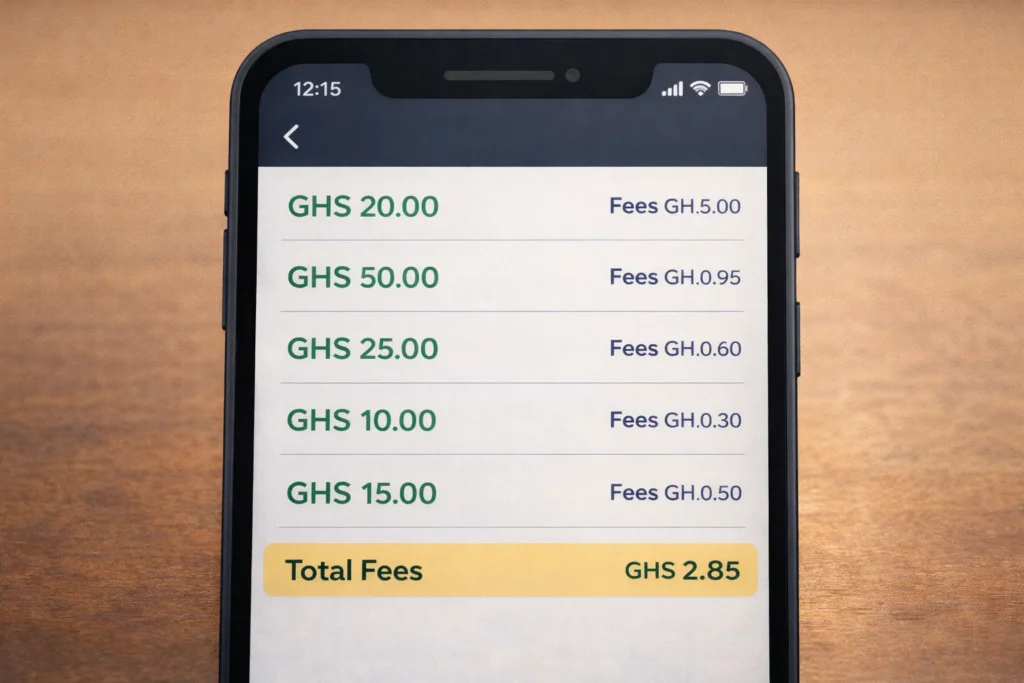
Momo makes spending too easy. You can send money across town in seconds, but fees and micro transfers slowly eat your budget. One fix is to reduce the number of times you move money in a day and group non urgent transfers to one or two days per week. Another is to keep your bill money in an account you do not touch for daily momo, so you do not mix rent and weekend chilling.
The Bank of Ghana’s policy choices also shape your daily life through interest rates, inflation and currency strength. Debesties explains this in Bank Of Ghana: Latest News And Key Decisions, which breaks down how official moves hit borrowing costs, savings returns and job growth. You do not need to become an economist, but you need to understand that your personal budget lives inside a bigger system and must adjust when that system shifts.
Diaspora Reality: Earning Abroad but Still Feeling Broke
Many Ghanaians abroad earn in euros, pounds or dollars and still feel broke. The pattern is similar: high rent and transport in foreign cities, exchange rate pressure when sending money home and no clear plan for how much to keep, save and invest. On top of that comes emotional pressure to “show” success when you visit Ghana or support an extended list of relatives.
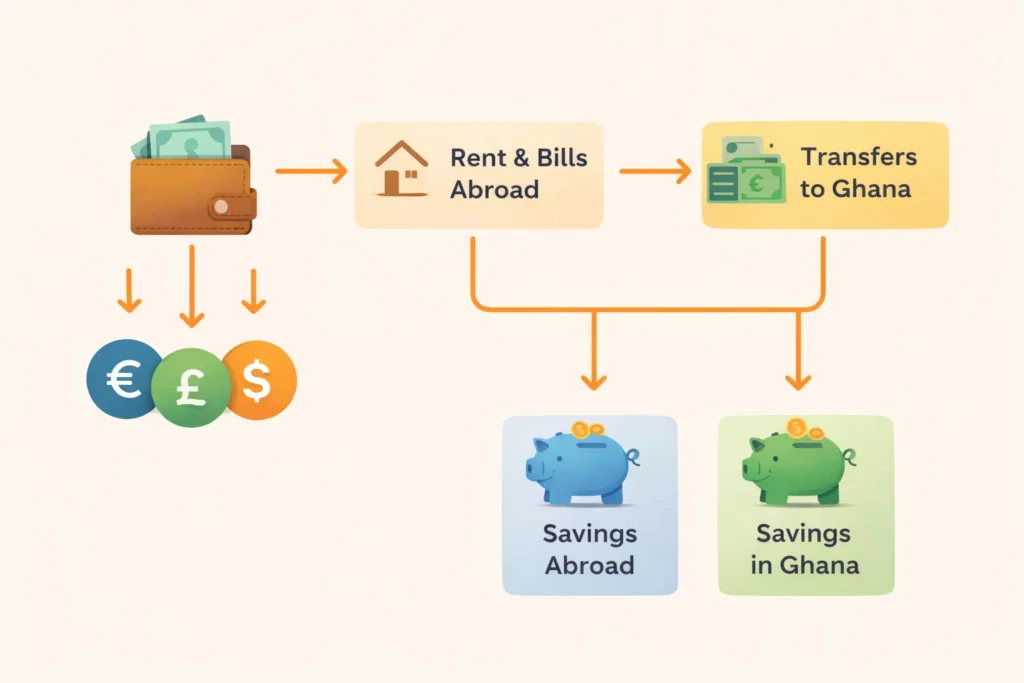
If you live abroad, a key part of how to stop being broke is to design both sides of your money life: your host country and your Ghana links. Decide how much you can send home every month and set that as a fixed line, not a last minute scramble. Use trusted money transfer and banking channels to cut fees, and avoid random agents if you can. Debesties has already created a Ghana Bank Account Abroad: Simple Diaspora Guide that shows how to open and use Ghana accounts from overseas so your money does not scatter across informal options.
Also decide how much of your income stays in long term savings or investment where you live, and how much you want to park in Ghana. Some diasporans keep everything in one country and feel exposed when exchange rates move. Others spread too thin without a clear plan and lose track. The fix is to connect your budget to your goals: do you plan to move back, buy land, support parents, or fund your children’s education in Ghana or abroad? Your budget must answer those questions on paper.
Common Mistakes When You Try to Fix Money
When people search how to stop being broke, they often rush into intense plans that collapse after a few weeks. One common mistake is to save what is left after spending. In practice, nothing is left, so you save nothing and feel like saving is impossible. The better path is to treat saving as a bill and move that money first before you touch flex money.

Another mistake is to copy someone else’s lifestyle or budget template without context. A friend may live with fewer dependants, cheaper rent or no loans. If you copy their spending and saving rules, you may crash. Your rent, dependants, health needs and goals make your money story unique.
Many people also write a budget once and never track it. They guess how much they spend on food or data and do not cross check. That guesswork leads to frustration when real costs do not match the plan. The seven day audit and weekly reviews make your budget a living document, not a fantasy.
A softer trap sits inside the idea of “self care”. Treating every impulse purchase as self care may feel comforting in the moment but can keep you broke and stressed later. True self care includes paying future you by reducing debt, building a buffer and sleeping with less money anxiety. Fees and small charges also stay invisible until you add them up. Bank fees, momo charges and subscription renewals can equal a full grocery run at the end of a month if you ignore them.
Key Takeaways
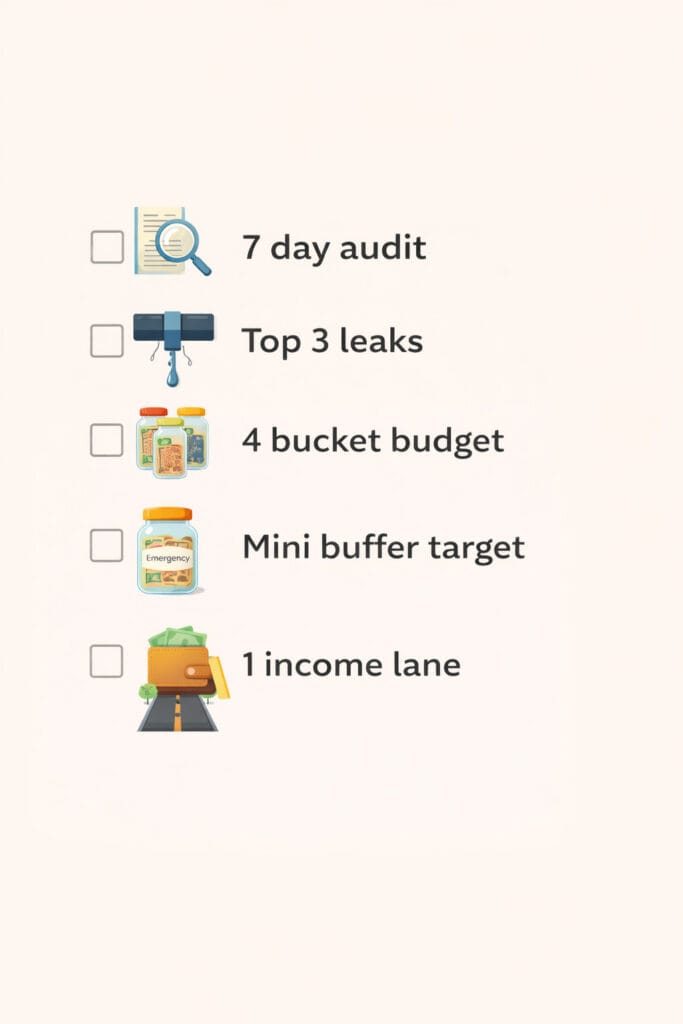
- Track every cedi for seven days so you can see your real money leaks instead of guessing.
- Pick your top three leaks and plug them fast with simple rules you can follow even on tired days.
- Use a four bucket budget for needs, obligations, buffer and flex that fits Ghana and diaspora reality.
- Build a small emergency buffer before chasing big investments so you can handle shocks without panic.
- Grow income by choosing one realistic lane for thirty days and protect yourself from fast money traps.
Conclusion
You do not stop being broke by motivation alone or by copying rich people’s routines on social media. You stop by seeing your pattern clearly, fixing the biggest leaks, building a small safety buffer and turning your income into a repeatable plan that respects Ghana life and your diaspora or local reality. When you repeat these small habits month after month, your money starts to feel calm, and that calm gives you space to dream bigger.