

Settings and fake life Ghana explained: what it is, how influencers use it, why it matters for your mental health, and real examples from Ghanaian creators like Aba Dope.
Question
What exactly is "settings" fake life in Ghana, how did it start, and why do so many young influencers do it?
Answer
Settings and fake life is the practice of staging or exaggerating your lifestyle on social media to look richer, cooler or more successful than you actually are. It started on Snapchat around 2015 when Aba Dope says she pioneered the trend by filming in borrowed cars and rented spaces to create a false image of luxury. Today, "settings" is everywhere on Instagram, TikTok and Snapchat because social media rewards performance, and young Ghanaians feel pressure to keep up with what they see online, even when it is not real.
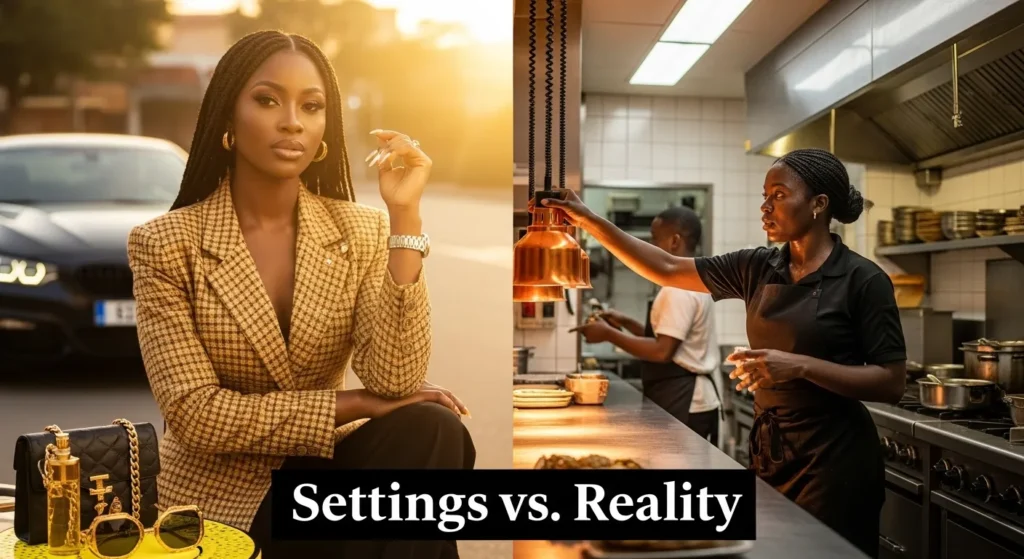
When Aba Dope openly admitted that she started "settings" and fake life on Snapchat, it exposed something many Ghanaians already suspected: the glossy lifestyle snaps on your feed might be staged from start to finish. Understanding what "settings" really is and why people do it helps you see through the performance and protect your own self-esteem in an era when everyone is performing.
What You Need To Know: The Full Definition Of Settings Fake Life
Settings in Ghanaian social media slang means curating or fabricating a lifestyle image for online attention. It includes borrowing or renting spaces, cars and items just for photos, using camera angles and filters to appear richer, and posting content that implies you own or regularly access things you do not.
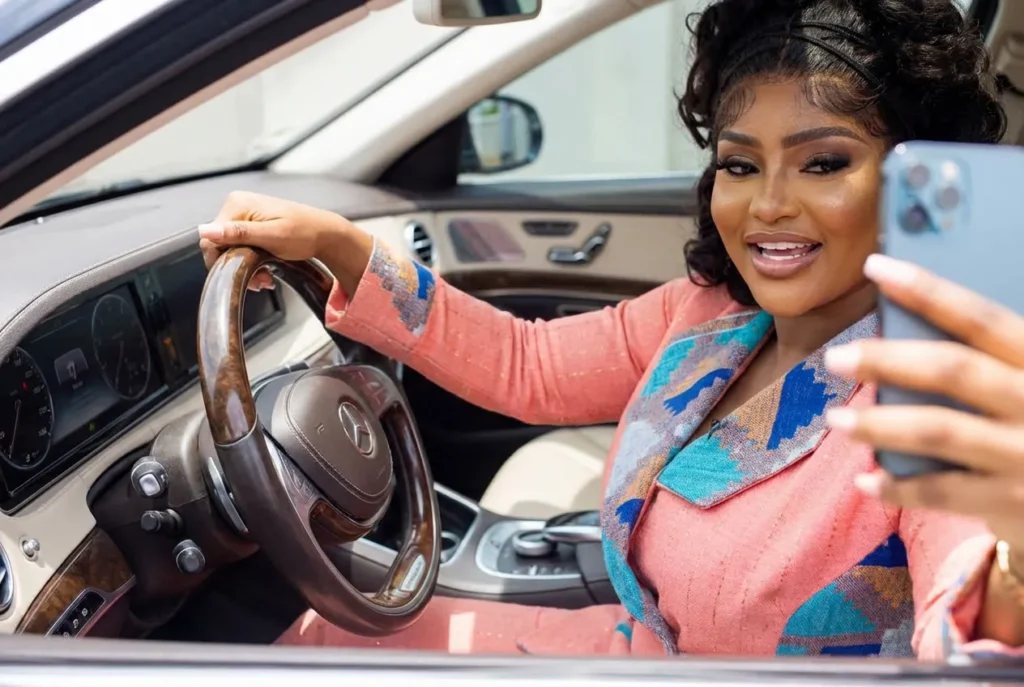
The word "settings" itself comes from the idea of setting a stage you arrange the scene so it looks a certain way, snap it, then move on. Aba Dope's own example: she would sit in someone's car, place her hand on the steering wheel, and film from angles that made followers believe she owned and drove that car. The trick worked because Snapchat's quick clips and disappearing format made it hard to ask questions or verify what was real.
Settings can range from harmless (borrowing a friend's outfit for a photo) to more serious (taking out debt to fund a fake soft life). The common thread is performance designed to earn validation and attention.
The Bigger Picture: Why Settings Culture Exists In Ghana
Settings and fake life did not appear by accident; it grew out of specific conditions in Ghanaian digital culture.
Social Media Rewards Performance
Platforms like Snapchat, Instagram and TikTok use algorithms that favor engaging content. If your regular life does not generate enough likes, your posts disappear from feeds. A staged luxury post, however, attracts comments, shares and follows, which pushes it further and builds your account. Young Ghanaians learned early that performing success gets rewarded.
Economic Pressure And Aspiration
Ghana's economy is built on visible wealth and status. Your car, your outfit and where you eat signal your social rank. Social media made this worse because now everyone can see what everyone else owns or does, even if the images are fake. Young people feel pushed to keep up, even if they cannot afford it.
Snapchat's Timing (2015)
When Aba Dope joined Snapchat in nursing school around 2015, the app felt new and exciting. It was the "boss" platform for young people, and everyone wanted to be there. There were no accountability mechanisms snaps disappeared, and it was easy to stage multiple versions of your life without being caught. This is when she says she started "settings."
Influencer Economics
Once platforms like TikTok grew, influencers with big followings could earn money from brand deals, sponsorships and donations. This meant that a fake life could literally generate real income. For many creators, investing in one good "settings" shoot (borrowing a car, renting a villa for a few hours) could pay off with thousands of views and real earnings.
What It Means: The Real Cost Of Settings Fake Life
While settings fake life can help creators grow and even launch real businesses, it comes with significant costs.
Mental Health And Insecurity
When you spend all your time creating a fake image, you develop a split between your online self and your real self. This gap can cause anxiety, depression and deep insecurity. Aba Dope has spoken about feeling "very black and ugly" in the past and spending significant money on her body to fix her insecurity. She admits that her early Snapchat "settings" were partly driven by not accepting herself.
Viewer Pressure And Unrealistic Expectations
Followers who see settings and fake life begin to expect that normal life should look like Instagram posts. They may go into debt buying things they cannot afford, damage their relationships by chasing clout, or feel constant shame that their life does not match the feeds they follow. Young Ghanaians comparing themselves to "settings" are comparing themselves to a lie.
The Hustle That Turns Real
Not all settings fake life stays fake. Aba Dope's story shows that when you build a large following through performance and personality, you can eventually convert that attention into real business. She now employs about 96 people in her food business, many of them trained from street life into kitchen roles. Her journey proves that fake life can be a stepping stone to real entrepreneurship, but that only works if you eventually move past the performance and build something solid.
The Emotional Toll Of Public Life
Recent videos show Aba Dope breaking down in tears over online attacks and customer criticism, despite all her success. When your business is built on a personal brand and you live in public, every negative comment feels personal. Settings fake life can turn into a trap where you cannot step away without losing income and relevance.
Why It Matters In Ghana
Settings and fake life matters in Ghana because it is no longer just a trend; it is become a core part of how young people build identity and wealth. Understanding it helps you:
Protect Your Mental Health
Knowing that what you see on Snapchat, Instagram and TikTok is often staged can reduce the shame and pressure you feel when your life does not match. You can enjoy the content without believing it is real.
Make Smarter Choices As A Creator
If you are building an online presence, Aba Dope's story shows that you can use performance to grow your audience, but you should also have a real plan to turn that audience into something sustainable. Borrowed cars and rented villas are fun for snaps, but real money comes from real businesses.
Support Better Influencers
More creators are becoming honest about what they stage and what is real. Following and supporting influencers who are transparent about their lives, including their struggles and insecurities, may encourage others to be more honest too.
Teach Young People Earlier
Parents, teachers and mentors can help young Ghanaians understand settings fake life before they get trapped in it. A simple conversation about how social media works and why people perform can save someone from unnecessary debt and low self-esteem.
How Settings And Fake Life Connects To Bigger Ghanaian Stories
Settings and fake life is part of a larger ecosystem of Ghanaian digital culture that includes:
- Influencer culture and TikTok fame (how people use short-form video to build brands)
- Body image and cosmetic surgery (which Aba Dope openly discusses as part of her journey)
- Youth entrepreneurship and side hustles (using social media to launch real businesses)
- Mental health and social media pressure (anxiety, insecurity, comparison culture)
Each of these stories can link back to the settings and fake life anchor, helping readers understand the bigger picture of how Ghanaian youth navigate digital success.
Key Takeaways
- Settings and fake life means staging or exaggerating your lifestyle on social media to look richer or more successful than you are.
- Aba Dope says she started this trend on Snapchat around 2015 by filming in borrowed cars and rented spaces to impress followers.
- Settings work because social media rewards performance, and platforms like Snapchat made it easy to stage multiple versions of your life without being caught.
- The cost includes mental health struggles, viewer pressure and unrealistic expectations, but it can also lead to real businesses if you build something solid behind the performance.
- Understanding settings and fake life helps you protect your self-esteem, make smarter choices as a creator, and support more honest influencers.



Discussion 1 comments
You must be logged in to write a comment.
Log In Sign Up