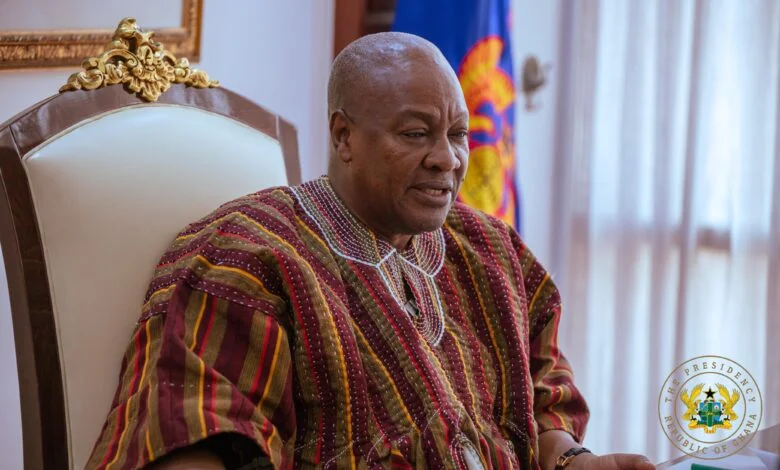
Xenophobia in South Africa has reached a crisis point. President John Dramani Mahama has approved the immediate rescue of approximately 300 Ghanaian citizens following a renewed and alarming wave of xenophobic attacks targeting foreign nationals across South Africa. The decision has been widely praised as a decisive show of leadership and a strong signal that the Ghanaian government will not abandon its citizens abroad.
What Is Happening in South Africa?
Tensions in South Africa have been escalating for weeks, with anti-immigrant protests spreading across several cities. Foreign nationals, particularly those from Ghana, Nigeria, and other African countries, have faced shop closures, physical intimidation, verbal assaults, and in some cases, forced evictions from their homes and businesses.
In one of the most alarming incidents, the mayor of a South African municipality reportedly closed shops owned by foreign nationals and handed them over to locals, issuing a 21-day ultimatum for all foreigners to leave the area. Ghana’s High Commissioner to South Africa, Benjamin Kwashi, described the actions as unlawful and vowed to fight the injustice in court.
How Did Mahama Respond?
Foreign Minister Samuel Okudzeto Ablakwa confirmed the evacuation via a post on X (formerly Twitter), stating that the 300 Ghanaians evacuated from South Africa had earlier registered with Ghana’s High Commission in Pretoria following the government’s advisory to citizens in distress. The government made clear it would continue to prioritize the safety and welfare of all Ghanaians, both at home and abroad.
The evacuation process was coordinated swiftly, with the Foreign Ministry working alongside the High Commission in Pretoria to identify, register, and arrange the return of affected citizens. It represents one of the most significant repatriation operations Ghana has undertaken in recent years.
Ibrahim Mahama Offers Jobs to Returning Ghanaians
In a remarkable show of solidarity, Ghanaian businessman Ibrahim Mahama, brother of President Mahama, has reportedly offered employment to at least one of the repatriated Ghanaians, Emmanuel Akwasi Osammar, who was among the first victims of the attacks to return home. The High Commissioner confirmed that Osammar is being reintegrated and will serve as an ambassador to inspire other Ghanaians in similar situations abroad.
Ibrahim Mahama’s gesture has been widely celebrated on social media, with many Ghanaians calling it a model for how the private sector can support government repatriation efforts. The move also sends a powerful message to Ghanaians abroad: returning home does not mean returning to nothing.
South Africa Pushes Back on Xenophobia Label
The South African government has firmly rejected the label of xenophobia. Presidential spokesman Vincent Magwenya stated that the protests represent isolated incidents within the country’s constitutional framework, and that South Africa is not a xenophobic nation. President Cyril Ramaphosa also addressed the situation in his weekly newsletter, condemning the attacks but calling for a broader continental conversation about undocumented migration.
Magwenya noted that Africa needs to address conflict, instability, and cases of misgovernment that drive waves of migration across the continent. The South African Constitutional Court also ruled during this period that a refugee cannot remain in the country and re-apply for asylum after being denied in a previous application.
Ghana Takes the Matter to the African Union
Ghana has escalated the matter diplomatically, petitioning the African Union over the attacks. The government in Accra had already summoned South Africa’s high commissioner in protest weeks prior to the evacuation announcement. The situation continues to evolve as both governments navigate the diplomatic fallout at continental level.
What This Means for Ghanaians Still in South Africa
For the thousands of Ghanaians currently living and working in South Africa, the crisis has raised serious safety concerns. Those who registered with Ghana’s High Commission and have expressed willingness to return home are being prioritized in the evacuation process. The government has urged remaining Ghanaians to stay alert, report incidents, and maintain contact with the High Commission in Pretoria.
As more Ghanaians evacuated from South Africa arrive home, the conversation has shifted to reintegration, job creation, and how Ghana can better support its diaspora going forward. This moment may well become a turning point in how the country engages with and protects its citizens abroad.