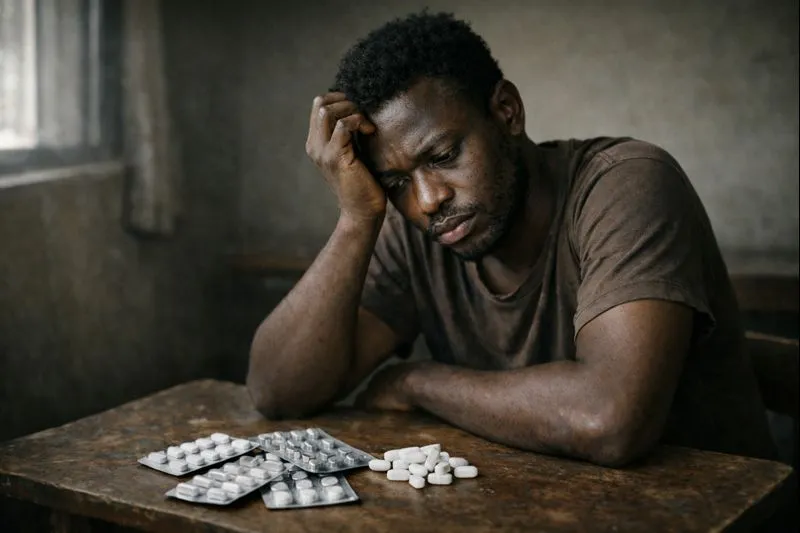
World AIDS Day Ghana highlights the current state of HIV in the country, key statistics, government response, and what individuals can do to help reduce new infections and stigma.
Question:
Why is World AIDS Day important in Ghana?
Answer:
World AIDS Day Ghana matters because HIV remains a major public health issue, with thousands of new infections recorded each year and many people still unaware of their status.
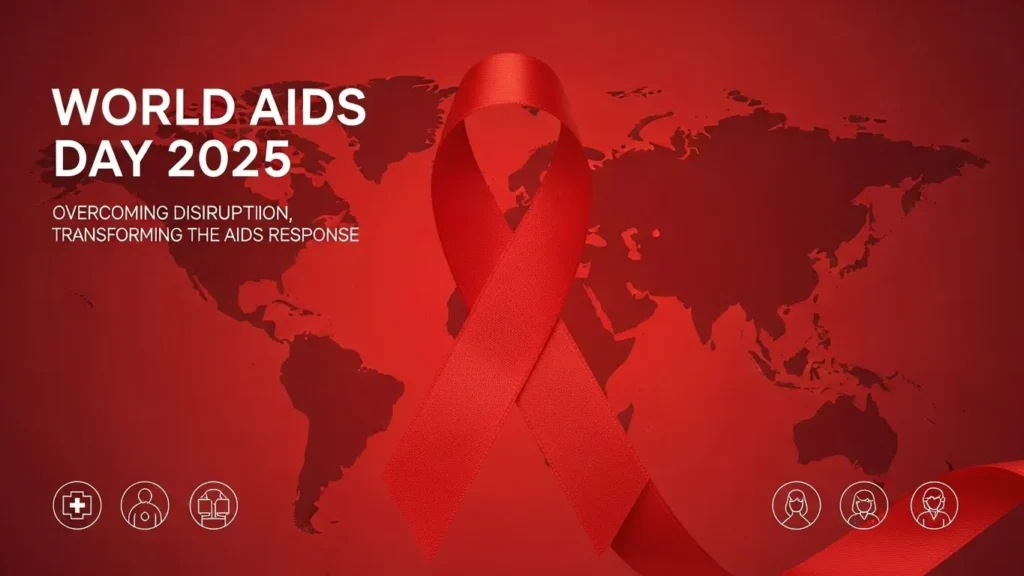
World AIDS Day Ghana is more than a date on the calendar. It is a reminder that HIV is still present, still spreading, and still affecting families across the country.
While progress has been made, new infections continue, stigma remains, and access to testing and treatment is not equal everywhere. This day is about facts, action, and awareness, not fear.
Table of Contents
Why World AIDS Day Ghana Matters
World AIDS Day is marked every year on December 1. In Ghana, it serves as a national checkpoint to review progress, gaps, and priorities in the fight against HIV.
The theme often focuses on prevention, treatment access, and ending stigma. For Ghana, the challenge is clear: reduce new infections while ensuring people living with HIV can live healthy, normal lives.
World AIDS Day Ghana: Key Statistics at a Glance
Here is the current picture based on national and international health data:
- About 334,000 people are living with HIV in Ghana
- Around 15,000 new HIV infections are recorded each year
- More than 12,000 AIDS-related deaths occur annually
- About 68% of people living with HIV know their status
- Roughly 67% of diagnosed individuals are on treatment
These numbers show progress, but also highlight gaps in testing, early diagnosis, and consistent care.
Government Action and Ghana’s HIV Response
Ghana’s HIV response is led by the Ghana AIDS Commission and the Ministry of Health. Key actions include:
- Free HIV testing at public health facilities
- Antiretroviral treatment (ART) for people living with HIV
- Public education campaigns to reduce stigma
- Policies protecting the rights of people living with HIV
Ghana also works with international partners like UNAIDS to track progress and improve prevention strategies.
Aba Dope: Snapchat “Settings” Fake Life What She Really Said
Why Stigma Remains a Problem
One of the biggest barriers in Ghana’s HIV response is stigma.
Many people avoid testing because they fear judgment, discrimination, or social isolation. This leads to late diagnosis, which increases the risk of transmission and health complications.
World AIDS Day Ghana focuses strongly on changing attitudes, reminding people that HIV is a medical condition, not a moral failure.
What You Can Do on World AIDS Day Ghana
You do not need to be a health worker to make an impact. Simple actions matter:
- Get tested and encourage others to do the same
- Share accurate information, not myths
- Support people living with HIV without judgment
- Practice safe sex and use protection consistently
Small choices, repeated daily, reduce infections over time.
Internal Link (Suggested Placement)
Place this link naturally in a related health or policy paragraph:
- Link to your article on HIV awareness, youth health, or Ghana public health policy
Key Takeaways
- World AIDS Day Ghana highlights an ongoing public health issue
- HIV infections are declining slowly but remain significant
- Stigma still prevents early testing and treatment
- Government and partners are making progress, but gaps remain
- Individual action plays a major role in prevention
Final Thoughts
World AIDS Day Ghana is not about fear or blame. It is about facts, responsibility, and compassion.
The fight against HIV is not over, but it is winnable. Awareness, early testing, and support can save lives. And that is why this day still matters.