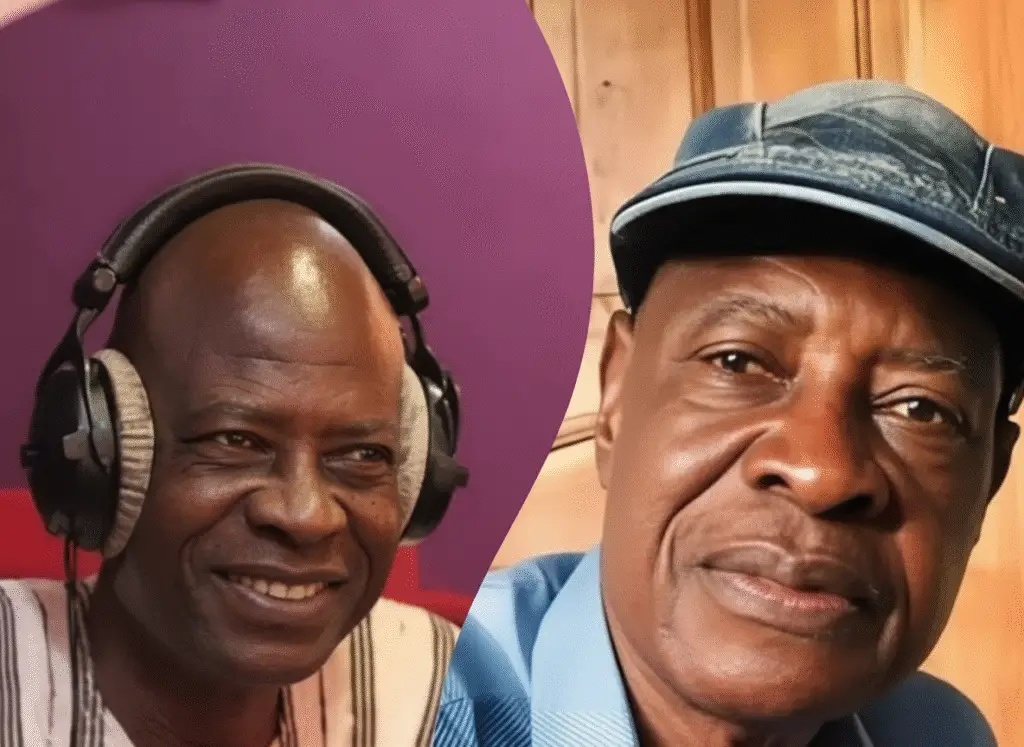
Kwaisey Pee’s story of betrayal in the music industry shows how fragile trust can be, even at the top. His experience also opens a bigger conversation about contracts, royalties and how artists can protect their careers.

Who took Kwaisey Pee’s deal?
Ghanaian highlife musician Kwaisey Pee recently shared that a top Ghanaian artist and their team allegedly went behind his back to take a lucrative contract he had introduced them to. He says he connected this artist to a company for a major business deal, only for them and their manager to quietly claim the contract for themselves. This left him feeling deeply hurt because the move came from someone he trusted and had tried to help.
According to Kwaisey Pee, the act was not a simple misunderstanding. He believes it was carefully planned by the artist and their manager. The incident captures the darker side of the music business, where relationships can break once money and big opportunities appear. It also shows how easily an artist’s goodwill can be turned against them when contracts are not clearly secured.
Navigating betrayal and industry pitfalls
Even with this painful experience, Kwaisey Pee has not stepped away from music. Instead, he uses the story to warn younger artists about blind trust and handshake deals. He often reminds them to put agreements in writing, seek legal advice and stay alert when sharing contacts or opportunities. In his view, talent alone is not enough; a musician also needs business sense and solid structures.
At the same time, he continues to perform and record, showing that betrayal does not have to end a career.

He recently marked 25 years in music and is pairing that milestone with a charity concert to support 25 children with cancer, in partnership with the Paediatric Oncology Unit at Korle Bu Teaching Hospital. This project, themed around resilience and stewardship, shows another side of Kwaisey Pee: an artist who wants his success to mean something off stage as well.
Rethinking royalties, streams and income
Kwaisey Pee has also been open about the money side of the industry. He has said more than once that artists in Ghana cannot rely on traditional royalties alone to survive. Delayed payments, low collection rates and piracy all cut into what musicians eventually receive. Because of this, he encourages colleagues to treat royalties as a bonus, not their main salary.
Instead, he urges artists to build several income streams. Live performances, private events, better use of online streaming, brand partnerships and personal businesses can all help create stability. For him, the lesson is clear: when contracts can be taken and royalties are weak, an artist’s best defence is a diverse income base and the courage to speak openly about unfair systems.
Conclusion
Kwaisey Pee’s story offers more than gossip about who took his deal. It exposes how weak contracts, poor royalty systems and quiet backstabbing can limit even respected artists. Yet his response, from mentoring younger musicians to raising funds for children with cancer, shows that integrity and purpose can still rise above betrayal.