Nigeria Woke Up To A TikTok Curfew
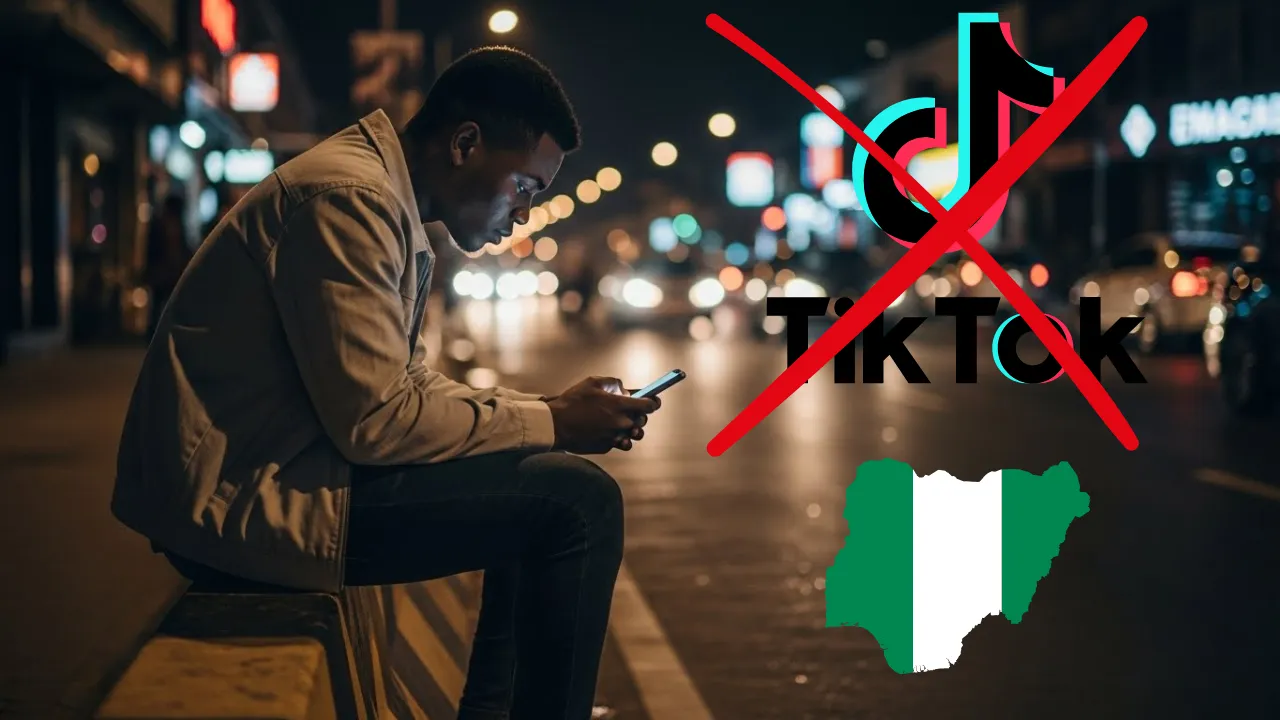
One week you’re going live at 1 a.m., vibes are flowing, gifts are dropping, followers are talking. The next week TikTok hits you with a pop‑up: “LIVE not available in your region at this time.” That’s exactly what many Nigerians saw in early December 2025 when TikTok quietly rolled out a nighttime restriction on LIVE streaming in the country.
The change blocks people in Nigeria from hosting or watching LIVE during late‑night hours, which TikTok now treats as “high‑risk.” The company says it’s a temporary safety move while it investigates a wave of harmful behaviours on Nigerian streams, especially at night. For creators who built their routine around midnight lives, it feels less like an update and more like a digital lights‑out.
Why TikTok Switched Off Nighttime LIVE
This didn’t come out of the blue. Nigerian tech sites and safety reporters have been flagging a surge in explicit and unsafe content on late‑night lives for months. Streams that started as harmless gist gradually turned into full shows with nudity, sexual acts, and creators openly pressuring viewers to send gifts in exchange for more “content.”
Alongside that, there were worrying cases of people using LIVE to brag about fraud and other crimes, or to glamorise dangerous behaviour for clout. TikTok’s enforcement stats back this up: in one recent quarter the platform removed millions of Nigerian videos and banned tens of thousands of LIVE sessions for guideline violations, with a big chunk linked to adult content and misuse of monetisation tools.
Faced with that, TikTok chose the blunt route. Instead of trying to catch every bad stream in real time, it blocked LIVE during the hours when abuse was most common, promising to restore full access after its safety probe and policy tweaks are done.
The Money Problem: Creators Losing Their Prime Time
Here’s where it really stings. For a lot of young Nigerians, TikTok LIVE isn’t just vibes; it’s rent, data and food money. Guides on creator earnings show that Nigerian hosts who know how to work LIVE battles, games, audience interaction can pull in anything from a few thousand naira a night to serious five‑ or six‑figure payouts when gifts are converted.
Nighttime has always been prime time. People are home, scrolling, bored, ready to send roses and lions “for the culture.” So when TikTok shuts that window, many small creators, campus students and side‑hustle warriors see their most profitable hours vanish overnight.
This hits a wider ecosystem too. Reports on Nigeria’s creator economy say the space could be worth billions by 2030, with TikTok playing a huge role in discovery, entertainment and live commerce. A single policy change won’t kill that dream, but it does expose how fragile things are when your entire hustle lives on one app and one feature.
Hustle Vs Harm: Where Do We Draw The Line?
The TikTok night ban is really forcing an uncomfortable question: how far should “by any means necessary” content go in a tough economy? Commentators in Nigeria point out that with inflation and unemployment biting, a lot of people turned to LIVE as their plan B. Over time, some crossed into stunts, humiliation and explicit shows just to keep attention and income coming in.
On the other side, parents, activists and regulators have been watching underage users join or watch these sessions, and they’re not having it. TikTok’s own numbers show Nigeria has become one of the hardest markets for content enforcement, especially on LIVE. So the platform is now clearly saying: if one country turns late‑night LIVE into a danger zone, it’ll put that country on a stricter schedule.
It’s messy. Some creators feel punished for other people’s behaviour. Others quietly admit the trend had gone too far and something had to give. Both can be true at once.
What Smart Creators In Nigeria Can Do Now
If you’re a creator in Nigeria, this moment is rough, but it’s also data. It tells you that platform rules can change faster than your rent is due, so your strategy has to stretch beyond one feature.
There are a few realistic moves here. One is to shift more energy into daytime and early‑evening LIVE sessions that keep things clean and interactive while TikTok figures out its night rules. Another is to build more evergreen content skits, tutorials, storytimes, product reviews that can attract brand deals and cross‑platform followers, not just live gifts. And long term, it makes sense to spread your presence across YouTube, Instagram, Snapchat and even your own site or newsletter, so one app can’t hold your whole income hostage.
Brands are also watching. As safety rules tighten, companies will look for creators who can pull numbers without skating on the edge of explicit content or controversy. Playing the long game might feel slow now, but it’s the only way to build something that survives the next sudden policy change.
Conclusion
TikTok’s night ban in Nigeria is more than a technical fix. It’s a hard reset on how far late‑night hustle can go before safety, dignity and the law push back. For creators, it’s painful proof that you can’t build your whole future on one fragile feature, no matter how sweet the gifts look in the moment. The ones who will still be standing in a few years are those who treat this not just as a loss, but as a nudge to create smarter, spread wider and make money in ways that don’t disappear the minute an app decides it’s time for “lights out.”