
Bank of Ghana Amendment Bill ends printing money to fund government; here’s how new deficit rules could affect inflation, businesses and everyday prices.
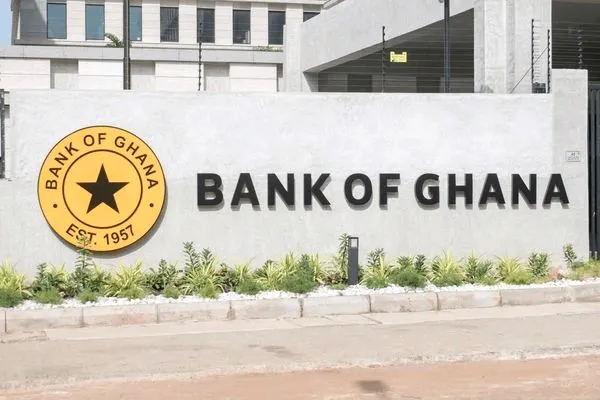
Ghana has quietly passed one of its most important economic laws in years: the Bank of Ghana Amendment Bill, 2025. This new act puts a hard stop on the central bank printing money to fund government deficits, a practice that fuelled the inflation and cedi crashes of recent years.
Table of Contents
What Happened
Parliament has approved the Bank of Ghana (Amendment) Bill, which rewrites the rules on how the central bank lends to the state. The biggest change is simple: the Bank of Ghana is now barred from buying government securities on the primary market.
In the past, the law allowed the central bank to lend up to 5% of the previous year’s revenue, but “emergency” loopholes made it easy to bypass that limit. During the recent economic crisis, the government leaned heavily on those overdrafts, which drove inflation higher and left the central bank with huge losses.
The new Bank of Ghana Amendment Bill fixes this by:
- Banning direct loans to the government, except in rare cases.
- redefining emergencies so they can’t be used as a backdoor for borrowing.
- Tightening governance to protect the bank’s board from political pressure.
Key Provisions In Plain Language
The law might sound technical, but its impact is straightforward.
- No more routine financing. The central bank cannot directly fund the budget deficit. If the government needs money, it must go to the bond market or raise revenue, not the printing press.
- Strict emergency rules. Lending is only allowed for true crises, like:
- Force majeure events (e.g., major natural disasters).
- Presidentially declared national emergencies.
- Public health crises.
- Parliamentary oversight. Any emergency loan needs clear repayment terms and must be approved by Parliament, ending secret overdrafts.
- Recapitalisation plan. The law commits the government to recapitalise the Bank of Ghana, helping it recover from the billions it lost during the debt exchange.
- Inflation targeting. It legally locks in a framework for joint inflation targeting with the Finance Ministry, prioritising price stability over political spending wishes.
Why This Matters To You
For years, experts warned that “monetary financing” (printing money) was weakening the cedi and pushing up prices in markets and shops.
This Bank of Ghana Amendment Bill aims to solve that by:
- Keeping inflation down. Without excess money flooding the system, price hikes should become less volatile over time.
- Stabilising the cedi. A central bank that isn’t printing cash to buy bonds tends to command more respect from investors, which supports the currency.
- Forcing budget discipline. Since the government can’t just swipe a card at the central bank, it will have to be more careful with spending and borrowing.
Finance Minister Cassiel Ato Forson says the reforms will “strengthen the central bank” and restore confidence. The IMF has also backed the bill as a key step in Ghana’s recovery programme.
What To Watch Next
While the law looks good on paper, the real test will come when the next budget crunch hits. Will the government stick to the rules, or find a new loophole?
In the meantime, you can see how these big economic moves connect to daily life in our other guides:
- Ghana IMF Update: New $385m Boost And 2025 Surplus Target – see how the IMF deal fits with these new banking rules.
- Attorney General Ghana Update – track the legal side of government accountability.
Together, these stories show a country trying to press the reset button after a tough few years.