
The Ghana energy sector is shifting gears with a 35% renewable target, huge ECG cost cuts and new solar projects led by Minister John Jinapor.
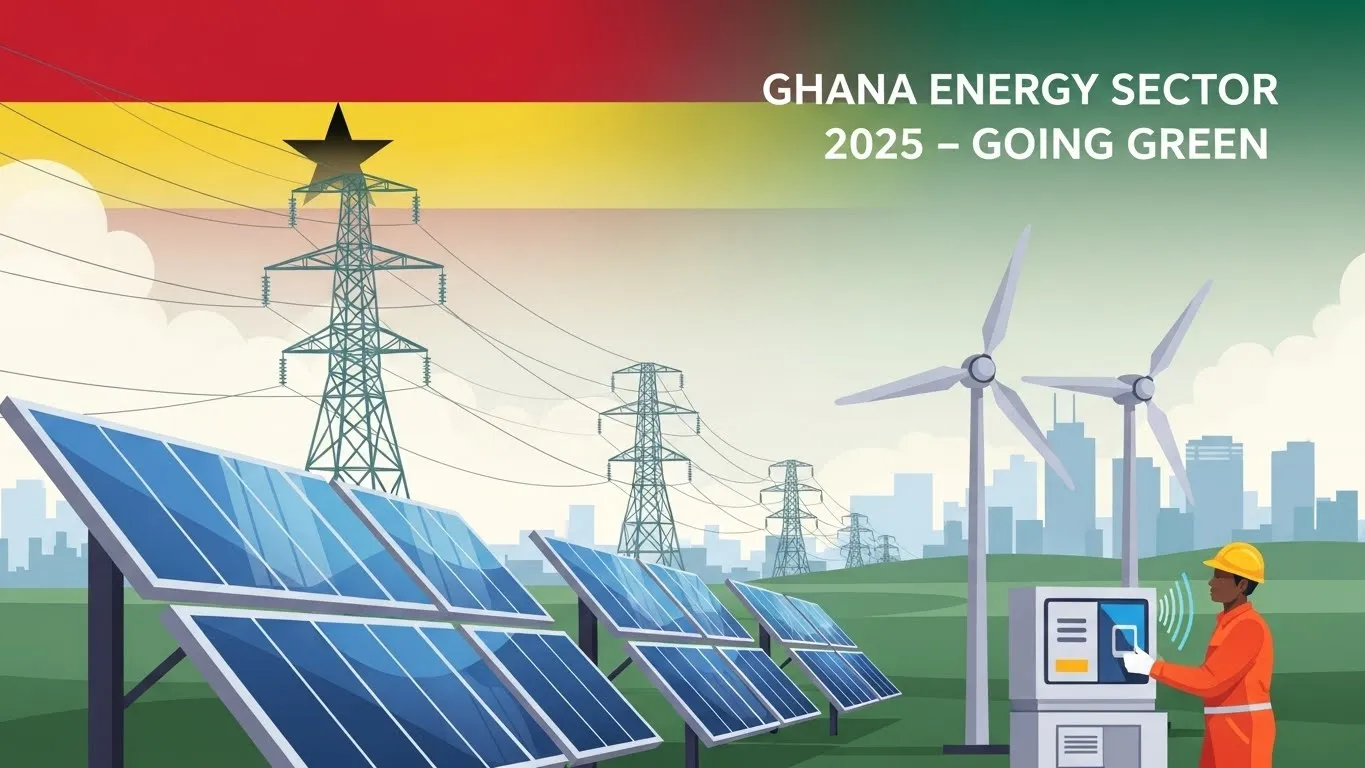
Ghana’s energy landscape is moving faster than it has in years. Under a new push by the Ministry of Energy and Green Transition, the ghana energy sector is cutting waste, chasing green targets and unlocking millions in fresh funding.
Minister John Abdulai Jinapor says the goal is simple. He wants to provide stable power without bankrupting the state or the planet. Here is what is changing right now.
1. The 35% Renewable Target
To start with, Ghana plans to hit 35% renewable energy in its national electricity mix by the end of 2025.
Currently, the country relies heavily on thermal (gas/oil) and large hydro plants. However, this new target brings solar and smaller hydro projects to the front. According to the Minister, this shift isn’t just about being green. Instead, it improves energy security by reducing reliance on expensive, imported gas that often triggers power crises.
To make this happen, the African Development Bank (AfDB) supports the Ghana Mini Grid and Solar PV Net Metering Project. By 2026, this single project will add 111 GWh of solar electricity to the grid. As a result, over 84,000 people in off-grid communities will finally get light.
2. Massive Cost Cuts At ECG
Next, the government is tackling waste at the Electricity Company of Ghana (ECG). For years, critics have blamed high spending and inefficiency for the sector’s debts. Now, the new administration has taken drastic steps.
Minister Jinapor revealed that ECG has slashed its planned expenditure from GH¢9 billion down to GH¢2 billion.
- What this means: Management redirects the savings into critical maintenance and procurement. They buy transformers, meters and cables instead of funding bloated admin costs.
- The result: Consequently, the Minister says this leaner budget helps stabilise power supply. In the end, businesses and families see less “dumsor” (outages).
3. Germany Pledges $86 Million
In addition, international partners are backing these reforms. Germany has pledged €82 million (approx. $86 million) in grants to support Ghana’s green transition.
The funds target three key areas:
- Grid expansion to handle more solar and wind power.
- Financial tools to help local businesses invest in green energy.
- Technical support to keep the reforms on track.
Challenges That Remain
Despite the progress, the ghana energy sector still faces hurdles.
- Legacy Debt: First, the sector carries a massive debt burden (over $3 billion) from years of under-pricing and unpaid bills.
- Infrastructure Gaps: Second, while generation improves, the transmission network needs billions in upgrades to move power efficiently.
Even so, with cost discipline at ECG and new solar projects coming online, the government insists the worst is over.
What This Means For You
If these reforms stick, Ghanaians should see real benefits.
- More stable power as ECG reinvests savings into equipment.
- Greener options like solar becoming cheaper for homes.
- A stronger economy, since reliable energy drives every industry from mining to tech.
For more on how these changes affect daily life, check our guide on December in GH 2025: How to plan the perfect trip to see the bigger picture.


Comments are closed.