Second Coming of Nkrumah is live as a bold Ghanaian musical exploring leadership, unity, and Africa’s future on the Accra stage.
Question:
What is this musical saying about leadership and Africa today?
Answer:
It uses theatre, music, and African storytelling to reflect on power, responsibility, and unity in the present moment.
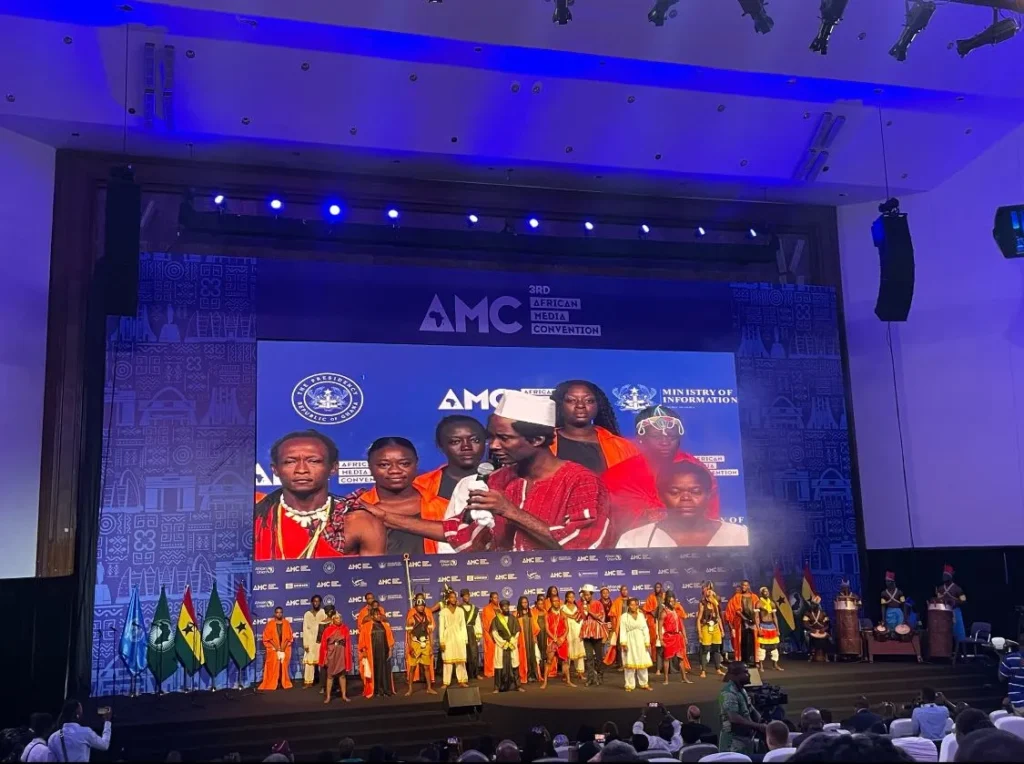
Accra’s theatre scene is alive with purpose.
A historic name returns with new meaning.
The message speaks directly to today’s Africa.
Table of Contents
Second Coming of Nkrumah and the Story on Stage
The Second Coming of Nkrumah presents a symbolic return of Kwame Nkrumah, placing his ideas in a modern African setting shaped by economic pressure and youth responsibility. The story challenges audiences to think about leadership, sacrifice, and collective progress.
Second Coming of Nkrumah as a Creative Statement
Written and directed by Latif Abubakar, the Second Coming of Nkrumah blends Afrofuturist storytelling with live African orchestration and high energy choreography. The production connects history with present day realities through sound, movement, and visual design.
Second Coming of Nkrumah and Ghana’s Theatre Moment
The Second Coming of Nkrumah is staged at the Accra International Conference Centre, spotlighting Ghana’s capacity for large scale cultural productions. With a cast of 50 performers and new creative entrants, the show highlights theatre as a growing part of the creative economy.
Second Coming of Nkrumah and Pan African Meaning
The Second Coming of Nkrumah reinforces Pan African values of unity, self reliance, and shared destiny. Its message speaks to a generation questioning governance, identity, and Africa’s economic direction right now.
Key Takeaways:
• The Second Coming of Nkrumah reflects leadership through modern African art.
• The production blends theatre, music, and technology in real time.
• It highlights Ghana’s growing potential in large stage productions.
• The story connects past vision with present responsibility.
Why This Moment Matters
The Second Coming of Nkrumah stands as a cultural mirror for today’s Africa, using performance to inspire dialogue, reflection, and renewed confidence.