Attorney General warns NSA scandal suspects to challenge surcharges within 14 days or lose property through civil suits as criminal prosecution continues.
Ghana’s Attorney General has tightened the screws on the NSA scandal with a clear warning: suspects have 14 days to challenge surcharges or lose their property in civil suits. Meanwhile, criminal prosecution is moving forward simultaneously, leaving accused officers caught between two legal tracks with no easy escape.
The 14-day deadline explained
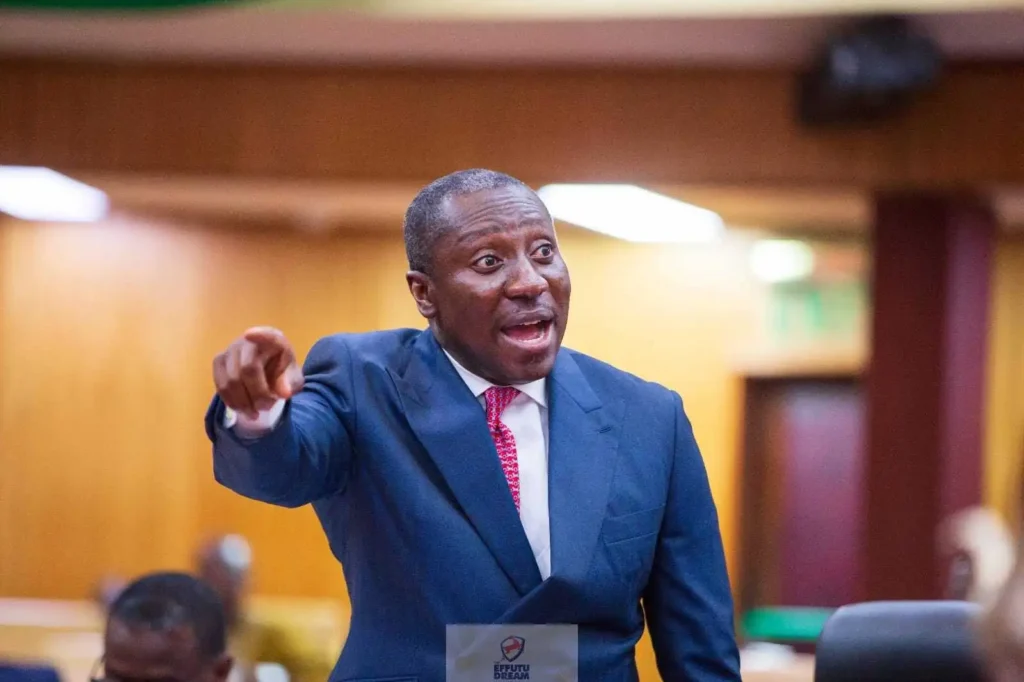
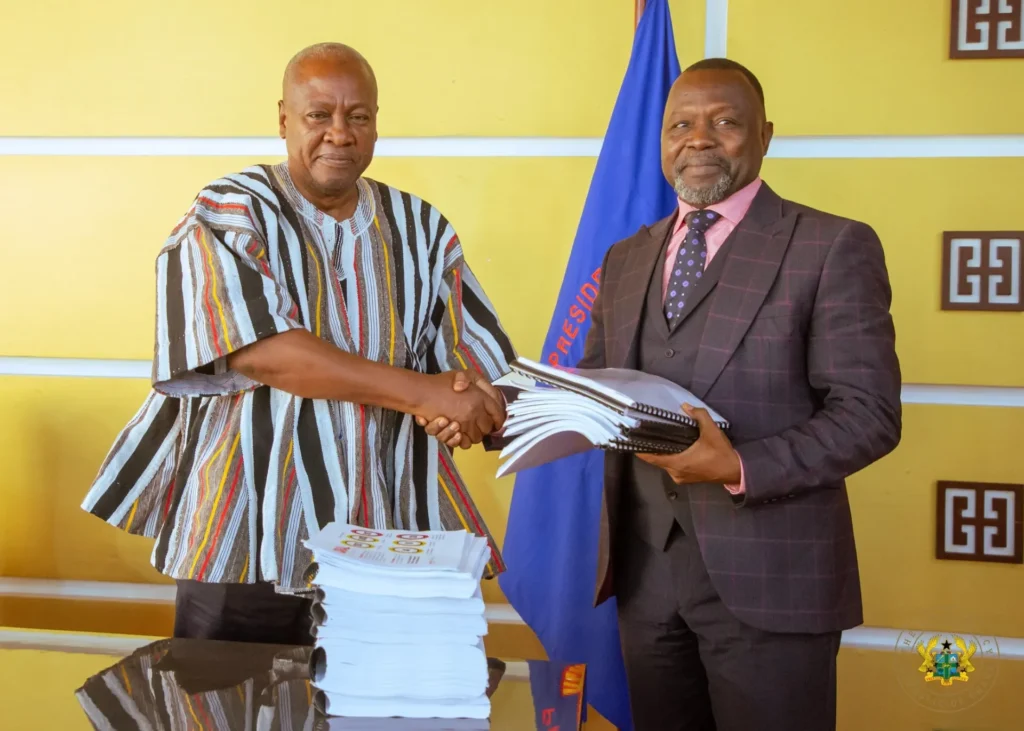
Dr. Dominic Ayine announced at the Government Accountability Series press conference that the Auditor-General has formally disallowed and surcharged all implicated NSA officials. Written notices are now in effect.
Each officer has exactly 14 days to respond in writing with reasons why the surcharge should not stick. If they stay silent, the sums automatically become a debt owed to Ghana’s state.
Next step? The AG files a civil suit to recover the money. Once a court judgment is won, the state can attach and sell their properties—regardless of whether those assets are linked to crime proceeds.
What is the NSA scandal in brief?
The NSA looting scandal centers on a payroll scheme involving fictitious personnel. Over several years, non-existent National Service staff were added to payroll records, and government funds vanished into private accounts.
The initial loss estimate was GH¢548 million, but a later forensic audit by the Auditor-General revealed the true figure: GH¢2.2 billion. That makes it one of the largest public sector frauds in recent Ghanaian history.
Former National Service officials and private-sector collaborators are at the center of investigations. Earlier this year, the Presidency ordered a full probe into what it called a ghost names scandal.
Why civil suits run alongside criminal cases
The NSA scandal civil suit track does not replace criminal prosecution. The AG is building separate criminal charges based on reports from ORAL and Ghana’s National Intelligence Bureau.
One accused person attempted to negotiate a repayment deal to dodge full criminal prosecution; Dr. Ayine rejected it outright. His message was plain: “Repayment will not substitute criminal prosecution.”
In practice, this means suspects face two separate legal consequences: loss of property through civil attachment, plus possible jail time if convicted criminally.
Where ORAL fits into this recovery push
The NSA scandal sits under Operation Recover All Loot (ORAL), President Mahama’s flagship initiative to recover stolen state assets. ORAL’s committee report identified 36 high-profile cases worth an estimated $20.49 billion across Ghana’s government.
The AG has promised that 2026 will be a “different year” under ORAL, with more cases entering court quickly.
What happens next, week by week
Next 14 days: NSA officers who receive surcharge notices must submit written responses or automatically default to debt status.
Early 2026: Civil suits are expected to kick off, letting the state pursue asset attachment while criminal trials develop in parallel.
First quarter 2026: ORAL’s broader corruption cases move into active prosecution, signaling intensified pressure across government.
The AG’s hard line on plea deals sends a strong message to other public officers under ORAL investigation: partial repayment will not be an escape route.
The takeaway: NSA suspects now face a two-front legal assault—civil property seizure and criminal prosecution. With a 14-day surcharge response deadline and ORAL cases accelerating, 2026 will test whether Ghana can truly recover looted billions while holding perpetrators accountable.