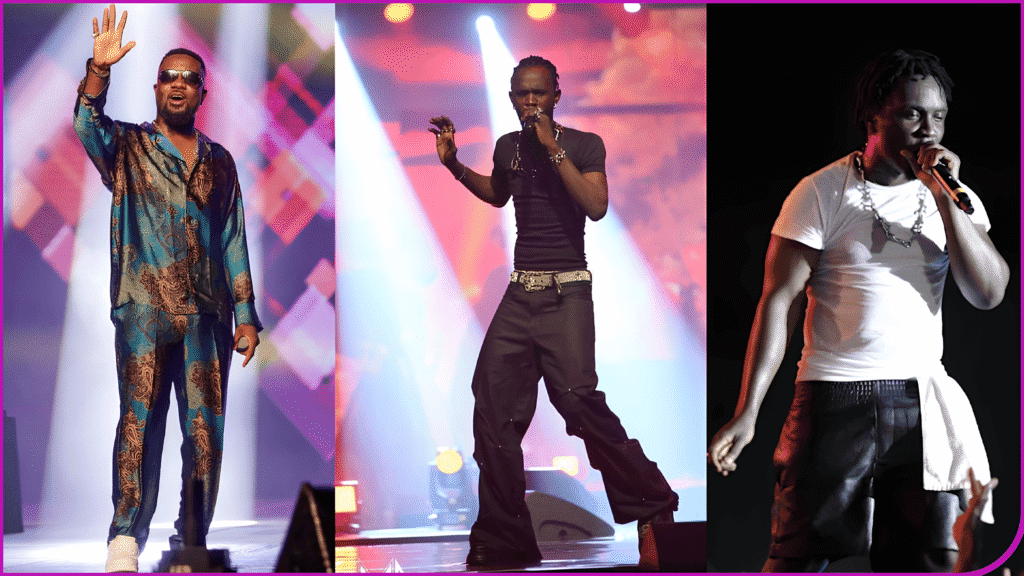
AfroFuture 2025 wrapped with 100,000 fans at El Wak. Asake headlined Day 1, Rema closes Day 2. Here’s what went down and why it matters for Ghana’s cultural economy.
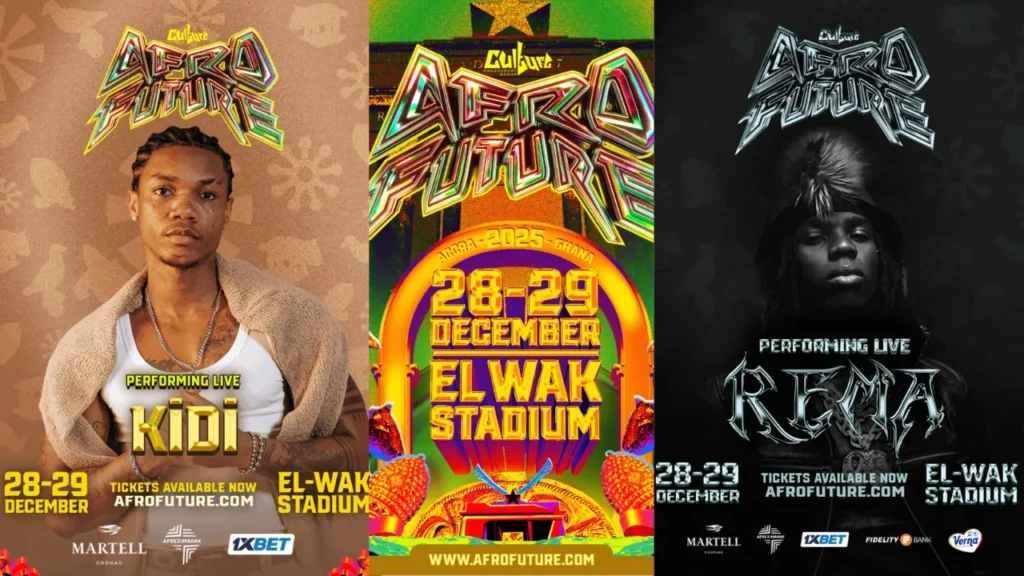
Table of Contents
AfroFuture 2025 Delivers: African Nostalgia on Africa’s Biggest Stage
AfroFuture 2025 has officially cemented its place as West Africa’s premier end-of-year music and culture festival. Over December 28–29 at El Wak Stadium in Accra, the two-day festival drew approximately 100,000 music lovers, creative professionals and diaspora members, making it one of the largest concert gatherings on the continent this year. The festival’s theme, African Nostalgia, proved to be more than marketing; it was the emotional spine connecting performances, art installations, fashion showcases and vendor villages into one cohesive statement about Black pride, creativity and economic empowerment.
For Ghana, AfroFuture 2025 reinforces what organisers have been building since 2019: Accra is now Africa’s cultural capital during December, and the festival’s scale, programming depth and cross-continental reach make it unmissable for anyone tracking where African music, fashion and diaspora culture are headed.
Day 1 Recap: Asake’s Explosive Opening
Nigerian Afrobeats megastar Asake opened AfroFuture 2025 on December 28 with a high-energy headline set that left no doubt about the calibre of talent this festival commands. The YBNL hitmaker delivered a masterclass in live performance, blending his chart-topping hits with undeniable stage presence. Fan favourites like “Dull” and “Why Love” drew roaring ovations, and the full energy never dipped from the moment he stepped into the spotlight.
But the night’s most talked-about moment came when Asake teamed up with Ghanaian star King Promise for a live collaboration, a moment that symbolized the cross-border unity Afrobeats has fostered across the continent. That collaboration, broadcast live and amplified across social media, underscored a larger trend: West African artists are no longer in competition; they are in creative conversation.
Supporting acts Moliy, King Paluta, TXC and Mavo kept the energy explosive throughout Day 1. Moliy’s powerful vocals on hits like “Shake It to The Max” showed why she is among Ghana’s most bankable female artists, while King Paluta’s infectious highlife-inflected Afrobeats kept the crowd dancing. The vibe was undeniably one of celebration, community and creative excellence across borders.
Day 2 Highlights: Rema, KiDi and the Full Lineup
Day 2 shifted focus to Rema, the globally dominant Nigerian Afrobeats force, whose headline slot capped off two days of non-stop performances. Rema’s inclusion signals AfroFuture’s continued pull for artists shaping Afrobeats’ global dominance; his 2025 has been marked by chart-topping releases and international touring momentum that make him one of the year’s biggest names.
Joining him was KiDi, who represented Ghana with award-winning artistry blending highlife, Afropop and R&B. KiDi’s appearance underscored an important narrative: Ghana’s homegrown talent can share a stage with international megastars and command equal respect and energy.
The Day 2 DJ roster brought cross-continental firepower with Skyla Tylaa, DJ L.A.J, DJ RBnice, Flygerian, DJ Mohogany, Afrolektra, TMSKDJ and DJ Oreo, names representing Africa, the Caribbean and the diaspora. Hosts MC Lola, Kojo Manuel, Princess AJ and Michael Nichols curated the flow between performances, bringing global appeal and local authenticity to the live broadcast.
Beyond the Main Stage: Fashion, Art and Community
What distinguishes AfroFuture from other music festivals is its integrated cultural ecosystem. The festival is not just about performances; it is about building an entire experience that serves as both celebration and economic platform.
Fashion Night Out (December 30 at Nubuke Museum) will spotlight 15+ emerging and established African designers, giving them global visibility and connecting them to international buyers and press.
The AfroFuture Art Gallery features works from African and diaspora artists, creating a visual narrative around heritage and futurism. This is where contemporary African visual culture gets its moment, often overshadowed by music and entertainment.
The Vendor Village brought together 35 vendors from across the diaspora, selling everything from woven bags and African jewellery to mouth-watering cuisines and lifestyle products. For many of these small business owners, AfroFuture is an annual income anchor.
Beyond commerce, the AfroFuture Foundation x Black Health Connect community fair positioned wellness and health access as central to the festival’s mission. Masterclasses under The Future Makers Series covered culture, technology, health, film, music and art, signalling that AfroFuture invests in systems thinking, not just spectacle.
The Numbers: 100K Fans, Economic Impact and Detty December
| Metric | Figure |
|---|---|
| Day 1 Attendance | ~100,000 |
| Venue Capacity (Sports Events) | 7,000 |
| Festival Outdoor Capacity | 100,000+ |
| Ghana Tourism Growth (2019 vs. Now) | 150K → 1M annually |
| Average Attendee Spend (USD) | $2,000 minimum |
| Fashion Designers Showcased | 15+ |
| Festival Vendors | 35 |
| International DJs | 8+ |
These numbers tell a clear story: AfroFuture is now a major economic driver for Ghana’s creative sector and tourism industry. The festival’s ability to attract 100,000 people over two days, each spending a minimum of $2,000 USD, transforms Accra’s December economy. Hotels fill up. Restaurants see surge demand. Transportation, retail, hospitality, artisan vendors all benefit.
The broader Detty December context amplifies this impact. AfroFuture sits alongside The African Festival (featuring Yvonne Chaka Chaka, Rocky Dawuni and Wiyaala), the Talking Drums hip-hop festival and other events, creating a December calendar that attracts diaspora families, international tourists and music lovers who might otherwise spend December elsewhere. Ghana’s Ministry of Tourism has leaned into this, positioning Accra as Africa’s premier year-end destination.
Why African Nostalgia Matters in 2025
The festival’s theme was not arbitrary. African Nostalgia, as articulated by CEO and Co-Founder Abdul Karim Abdullah, captures something essential happening in global Black culture right now:
“African Nostalgia is the heartbeat of AfroFuture 2025, honouring the food, music, fashion, art and traditions that connect Africans and the diaspora across generations. It is a celebration of what shaped us yesterday and the fuel for building the African Dream of tomorrow.”
There is an emotional and political weight to this. For decades, growing up African was not positioned as cool in Western media narratives. But a generation of diaspora members, born in London, New York, Toronto, Sydney, are reconnecting with their heritage, not out of obligation but out of pride and curiosity. They are coming to Accra to see themselves in successful Black creatives, to feel safe in spaces designed for them, and to access a cultural mirror that mainstream Western media does not provide.
As Abdullah said: “People in Africa have the opportunity to wake up and see themselves in other people all the time. Whereas if you are from Australia, from America or Europe, you are living in somebody else’s world most of the time.”
AfroFuture exists to flip that script, even if just for a few days. And the festival’s explosive growth over six years proves there is insatiable global demand for spaces where Black culture, creativity and pride are the default, not the exception.
What This Means for Ghana’s Creative Economy
AfroFuture’s success has expanded well beyond the festival dates. The broader ecosystem, Fashion Night Out, Afro Expo (running Dec 18–31), New Year’s Eve celebrations, masterclasses and wellness programming stretch the festival’s economic and cultural footprint across two weeks.
For Ghana’s Ministry of Tourism and creative entrepreneurs, AfroFuture represents a blueprint: culture and creativity are not soft investments; they are economic engines. The festival has demonstrably shifted Ghana’s annual tourism figures and positioned Accra as a global cultural player.
Beyond economics, AfroFuture plants seeds. Diaspora attendees return home with stories. Artists and producers make connections that fuel collaborations for years. Designers gain international exposure. Vendors expand their networks. Small decisions made at the festival ripple outward, shaping who gets opportunities, whose stories get told, and where the next generation of African creatives looks for inspiration and community.
The Takeaway
AfroFuture 2025 delivered what it promised: an unforgettable celebration of African music, culture and creativity. With 100,000 fans, explosive performances from Asake and Rema, integrated programming across fashion, art, wellness and community, and a clear economic multiplier effect for Ghana, the festival proved once again why it has become essential viewing for anyone tracking African culture globally.
The theme of African Nostalgia was not just aesthetic; it was the emotional and political statement tying together music, memory, pride and economics into one cohesive whole. As Ghana heads into 2026, AfroFuture’s growth trajectory makes clear: Accra’s December is no longer just a party. It is a cultural movement reshaping how the African diaspora engages with home.