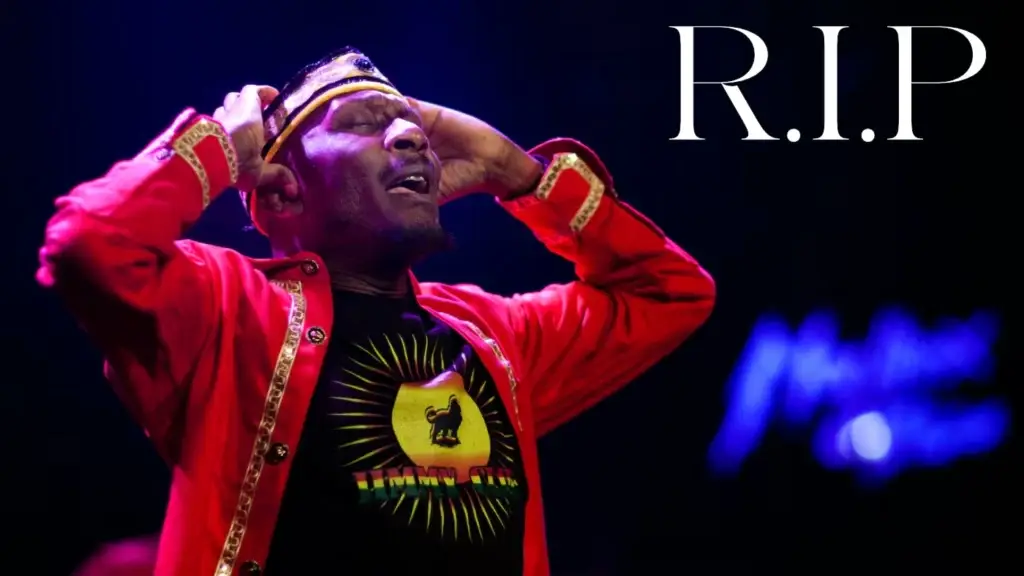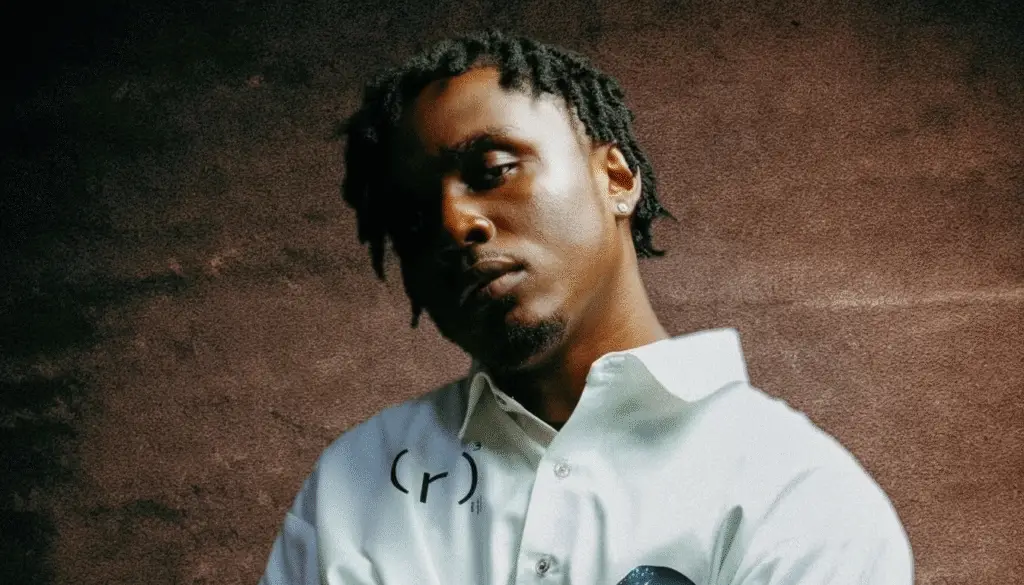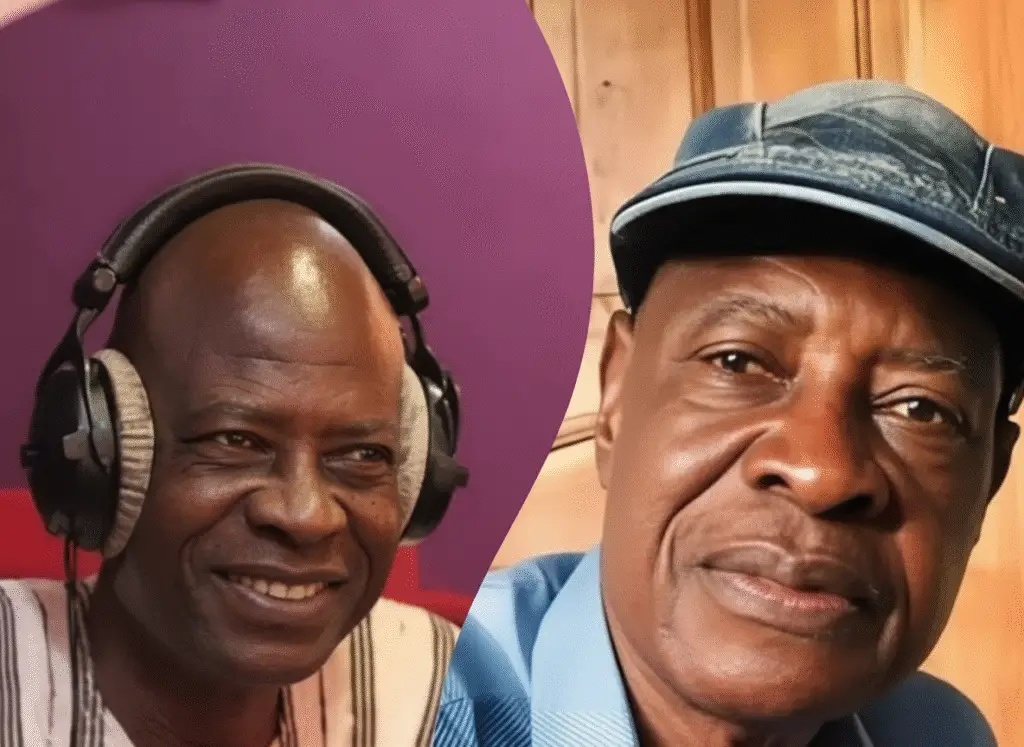

Legendary highlife musician Aseibu Amanfi (Kwabena Owusu) has passed away on December 28 after brief illness. Ghana loses a 40-year music icon.
Table of Contents
Aseibu Amanfi Dead: Ghana’s Highlife Legend Has Passed
Legendary highlife musician Aseibu Amanfi (born Kwabena Owusu) has passed away on Sunday, December 28, 2025, after a brief illness. The death of the 40-year music veteran marks another significant loss for Ghana’s cultural landscape, coming just two weeks after the country buried Daddy Lumba and amid a year that has claimed multiple music icons.
The news was confirmed by Odehyieba Keff, a guitarist and singer who worked closely with Amanfi for decades. In an emotional video statement, Keff expressed gratitude to those who donated to support Amanfi during his final illness, before announcing the sad news. “I thank everybody who donated after I called for help for him,” Keff said. “At the appropriate time, we will announce the funeral arrangements.”
His Songs: The Cultural Touchstones That Defined Highlife
Aseibu Amanfi’s catalogue is not merely entertainment history; it is Ghana’s emotional archive. For four decades, his songs became the soundtrack to moments of joy, reflection, heartbreak and hope across the nation.
“Ka Na Wu” (also “Kanawu”), perhaps his most enduring hit, became a cultural reference point. The song’s themes of patience, trust and divine providence resonated across generations, from rural villages to urban Accra.
“Kakra Bɛka Wo” (Little will tell you / Patience reveals truth) showcased his gift for turning wisdom into melody. The track’s guitar-driven arrangement and soulful vocals exemplified the highlife sound at its finest: acoustic instrumentation meeting lyrical depth.
Beyond these hits, tracks like “Bamaso” and “Asoko” cemented his reputation as an artist who could speak to the Ghanaian experience with authenticity and grace. His music did not chase trends. It created them. It did not follow fashion. It defined what highlife meant to a generation of listeners.
Why this matters: In an era when Afrobeats dominates streaming charts and global attention, Aseibu Amanfi’s passing raises a critical question: Who will remember the highlife masters who built the foundation Ghana’s music now stands on?
The Final Years: A Legend Facing Financial Hardship
In recent months, Aseibu Amanfi’s journey took a painful turn. The man who had given Ghana decades of music found himself facing financial difficulties. His longtime collaborator Odehyieba Keff made a public plea for support, asking fans and the music community to assist the ailing legend.
The irony was stark: a musician whose songs had soundtracked the nation’s emotional life, whose artistry had enriched Ghana’s cultural heritage, struggled to cover basic living expenses. Keff’s plea generated donations from grateful fans and industry members, a final outpouring of love that acknowledged what Amanfi had given to Ghana music.
But it also exposed a harsh truth: Ghana’s music industry does not have a systematic way of protecting its elder statesmen. Veterans who built the industry are left to fend for themselves in their final years.
Aseibu Amanfi’s illness was described as brief, but the broader context, financial vulnerability, lack of institutional support, aging without security, tells a story many Ghanaian musicians know intimately.
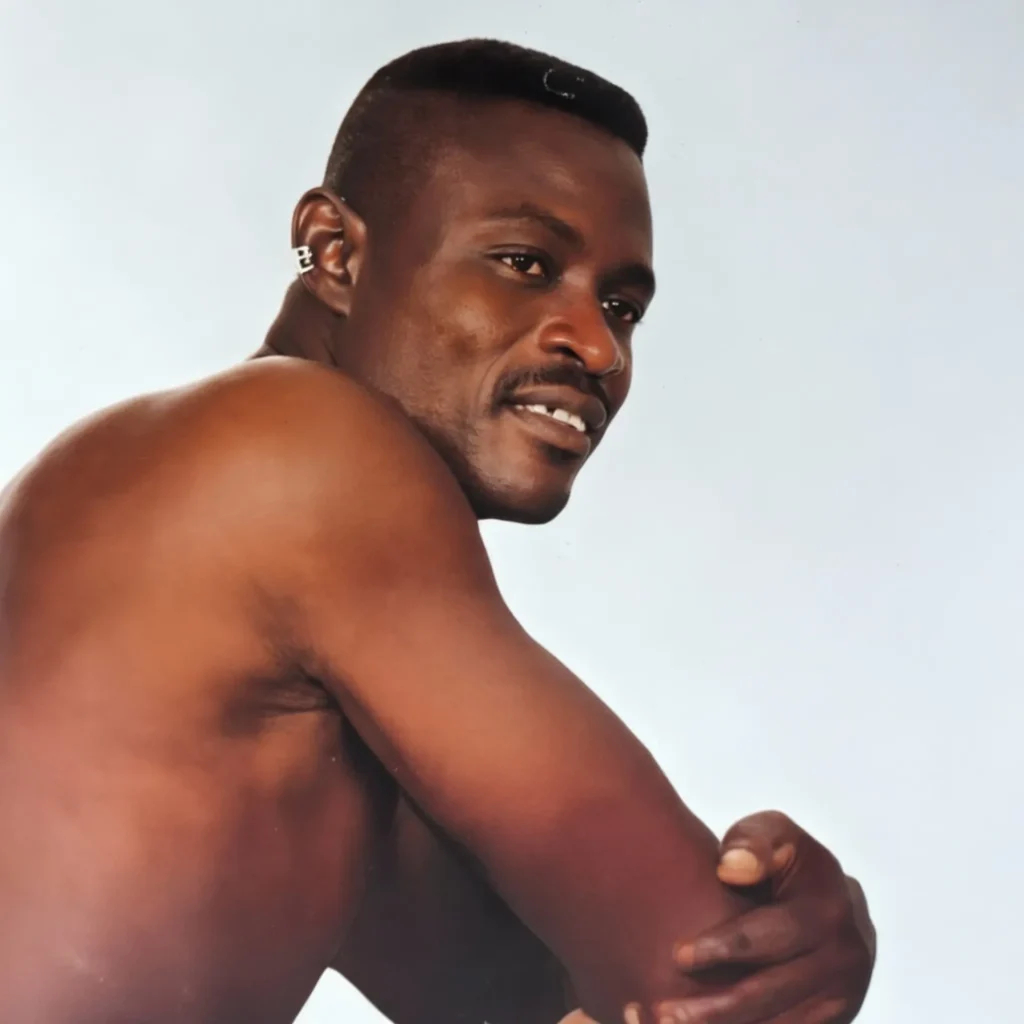
His Final Performance: A Legend’s Last Gift
In December 2025, Aseibu Amanfi delivered one last performance, appearing at the funeral of a late Member of Parliament (Ejisu) and former Deputy Finance Minister John Kuma. The performance, captured in videos now circulating on social media, showed a musician still commanding the stage, still delivering emotion through his craft, still present.
That performance, it turns out, was his last. Days later, he would pass away.
The videos have taken on new meaning in his death, a final gift, a last testimony to his artistry. Odehyieba Keff has shared clips on social media titled “Aseibu Amanfi’s Last Words in His Last Song,” treating the performance as a sacred farewell.
Tributes Flow In: The Nation Grieves
Social media erupted with tributes, expressions of grief, and reflections on what Amanfi meant to Ghanaian culture.
Fan reactions ranged from simple condolences to deeper cultural laments:
Vanessa Offei: “Eeeeei 2025, again? Ah how? Are you not tired already?”
Nana Aniagyei Aikins: “Ei 2025, this man was fit aah, may his soul rest in perfect peace, legend.”
Raymond Agyekum Gyimah: “Why, 2025? People are questioning… that’s why the Bible said blessed are those who die knowing God…and every death is a warning to the living.”
The repeated invocation of “2025” reflected a broader sentiment gaining traction in Ghana: the year has claimed too many cultural icons. Aseibu Amanfi’s death, coming weeks after Daddy Lumba’s funeral and months after other legendary musicians’ passing, added to a year-end reckoning about mortality, legacy and memory.
What Comes Next: Funeral Plans Announced
Funeral arrangements have been announced. According to reports, services will be held on December 31, 2025, with the main funeral service scheduled for Tuesday, January 14, 2026, at ACK St. Andrews Church, Kihingo, from 11 am, with proceedings continuing at his home.
The timing, with funeral arrangements extending into early 2026, means Ghana’s music community will be called upon to gather, remember, and properly honour a man whose songs shaped the nation’s identity.
Why Aseibu Amanfi’s Death Matters Beyond Music
Aseibu Amanfi’s passing is not just the loss of a musician. It is the loss of a cultural custodian.
He represented a moment in Ghana’s music history when highlife was not a niche genre. It was the mainstream. It was what people listened to in markets, at festivals, at funerals, at celebrations. His music documented the Ghanaian experience, the struggles, the hopes, the wisdom of living through economic change, social upheaval, and personal challenge.
In 2025, as Afrobeats commands global streaming platforms and Ghanaian youth increasingly consume music through algorithm-driven playlists, the question his death raises is: What happens to the memory of highlife when the generation that lived it passes away?
Aseibu Amanfi’s death also exposes the systemic vulnerability of Ghanaian musicians without corporate backing. The same nation that celebrates its music globally offers insufficient protection for the artists who built its foundation.
The Takeaway
Aseibu Amanfi leaves behind a catalogue that will outlive him. His songs, “Ka Na Wu,” “Kakra Bɛka Wo,” “Bamaso,” “Asoko,” will continue to be discovered, listened to, and cherished by Ghanaians seeking authentic connection to their cultural roots.
But his death also leaves behind urgent questions: How does Ghana honour and protect the legends who build its culture? What systems exist to ensure that icons who give decades of art and emotion do not face financial hardship in their final years?
As the nation prepares to gather for his funeral on January 14, 2026, Aseibu Amanfi’s final gift to Ghana will be a moment of collective remembering, and perhaps a reckoning about the price of cultural creation and the obligation societies owe to their artists.
Rest in peace, Aseibu Amanfi. Your wisdom lives on.
- Read about Daddy Lumba’s passing and Ghana’s recent losses in our music obituary coverage.
- Explore Detty December 2025 and the cultural moments shaping Ghana’s year-end.
- Discover Maame Tiwaa’s legacy as Ghana’s gospel community mourns another icon.
- Learn about highlife music history and its role in Ghana’s cultural identity.