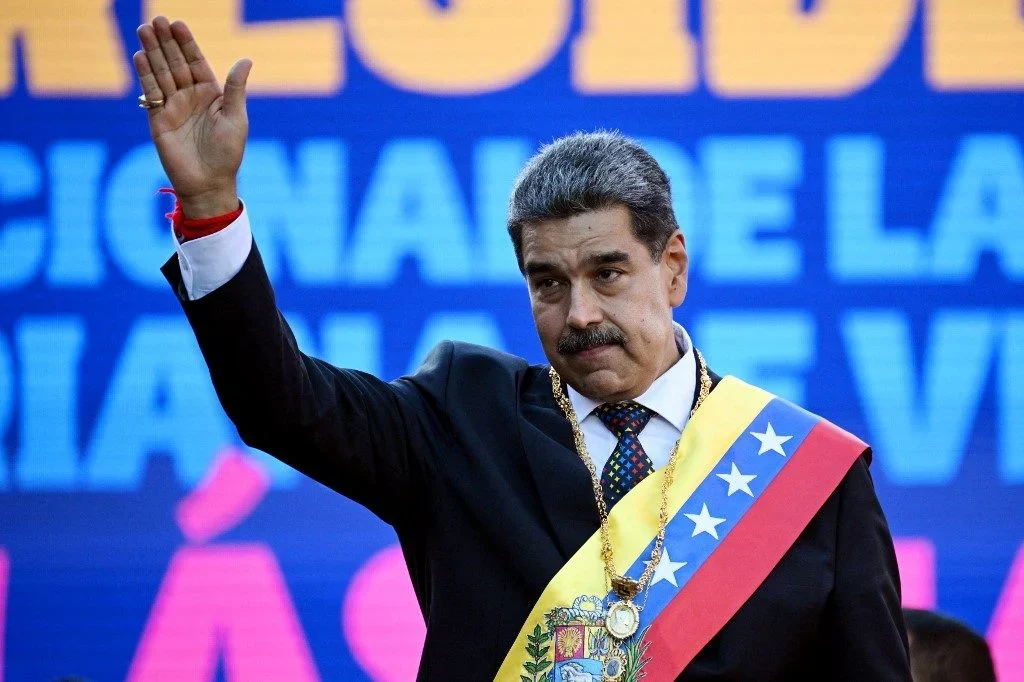
Nicolás Maduro’s dramatic capture by the United States has turned a long Venezuelan crisis into a global diplomatic storm that Ghana has loudly condemned as dangerous and “colonial‑era” behavior. For Ghanaian readers, this is not just a Latin American story but a test of how powerful countries treat sovereignty, oil and smaller nations in 2026.
Table of Contents
What You Need to Know
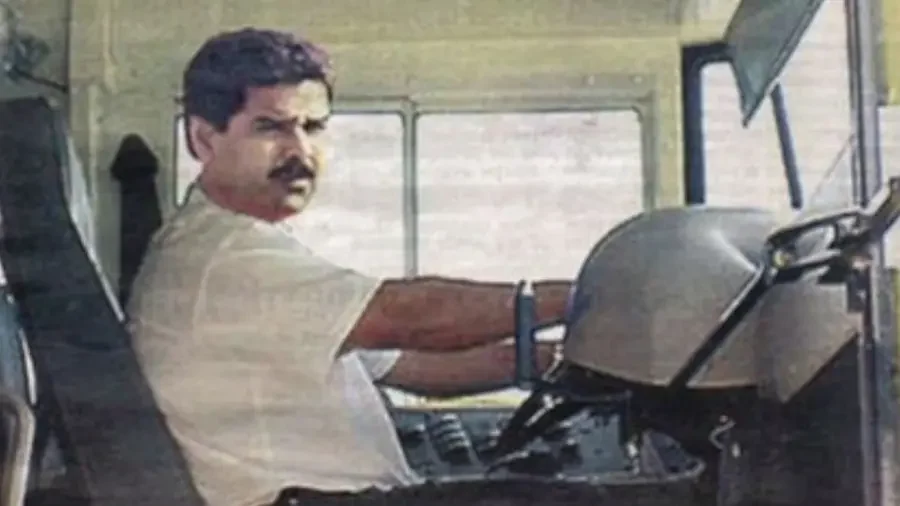
Nicolás Maduro is a former bus driver and trade unionist who rose through Hugo Chávez’s movement to become foreign minister, vice‑president and finally president in 2013. He stayed in power for more than 12 years, facing accusations of authoritarianism, sham elections and severe human rights abuses while Venezuela’s economy and democracy collapsed.
Under Nicolás Maduro, Venezuela suffered one of the worst peacetime economic crashes on record, with GDP shrinking massively, hyperinflation exploding and around eight million people fleeing the country. Nicolás Maduro blamed US sanctions and “economic war”, but independent studies also point to corruption, mismanagement and over‑reliance on oil for the devastation.
How Nicolás Maduro Was Captured
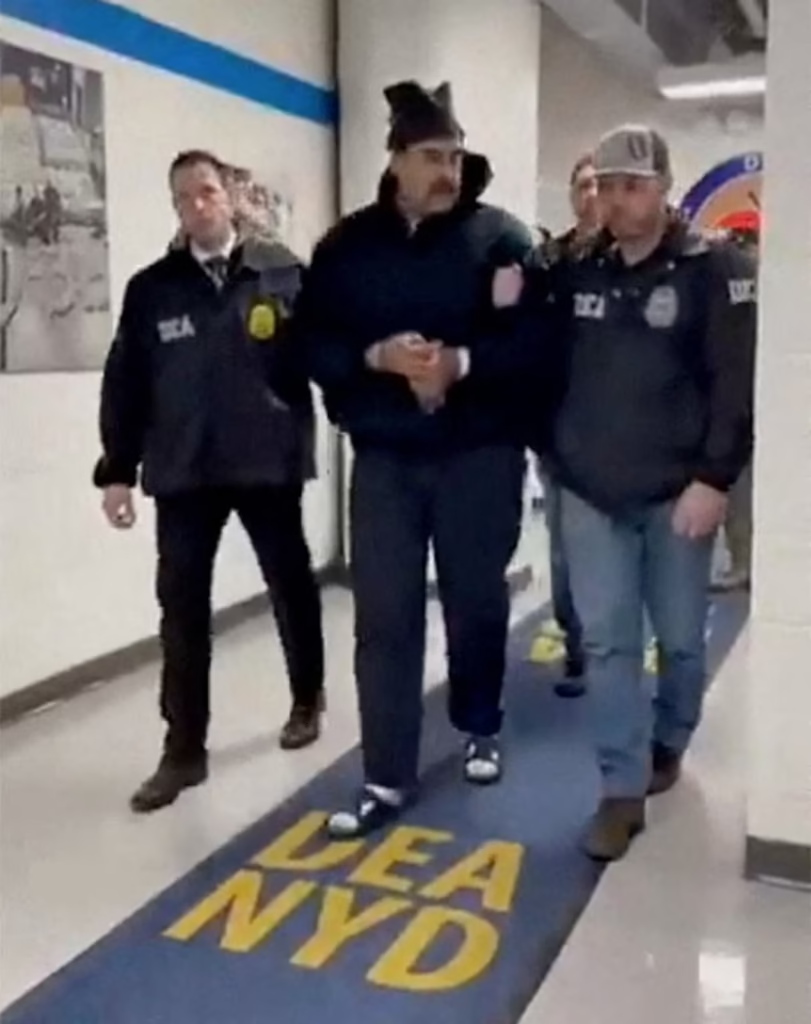
In the early hours of 3 January 2026, US forces launched a surprise multi‑pronged operation into Venezuela that ended with Nicolás Maduro and his wife Cilia Flores seized and flown out to New York. President Donald Trump hailed the mission as a “highly successful” strike against a “narco‑dictator”, saying the US would oversee a transition and open Venezuela’s oil sector to American companies.
Brought before a US federal court, Nicolás Maduro pleaded not guilty to drug‑trafficking and related charges and insisted he remained Venezuela’s legitimate president. Back in Caracas, an interim leadership was sworn in, but supporters of Nicolás Maduro denounced the raid as kidnapping and called for mass resistance against foreign occupation.
Why Ghana Is So Outraged
Ghana’s government issued a strong statement condemning the US action as a “unilateral and unauthorised” invasion of Venezuela and an “abduction” of Nicolás Maduro and his wife. Officials in Accra warned that assaults on international law, attempts to occupy foreign territory and efforts to control another country’s oil resources are a direct threat to the global system.
Ghana described the raid that captured Nicolás Maduro as a dangerous throwback to colonial‑era power politics and demanded the immediate and unconditional release of the Venezuelan leader and his spouse. The statement reaffirmed Ghana’s long‑standing opposition to invasion, occupation, colonialism and all violations of sovereignty, stressing that only the Venezuelan people can decide whether Nicolás Maduro should stay or go.
Why It Matters in Ghana
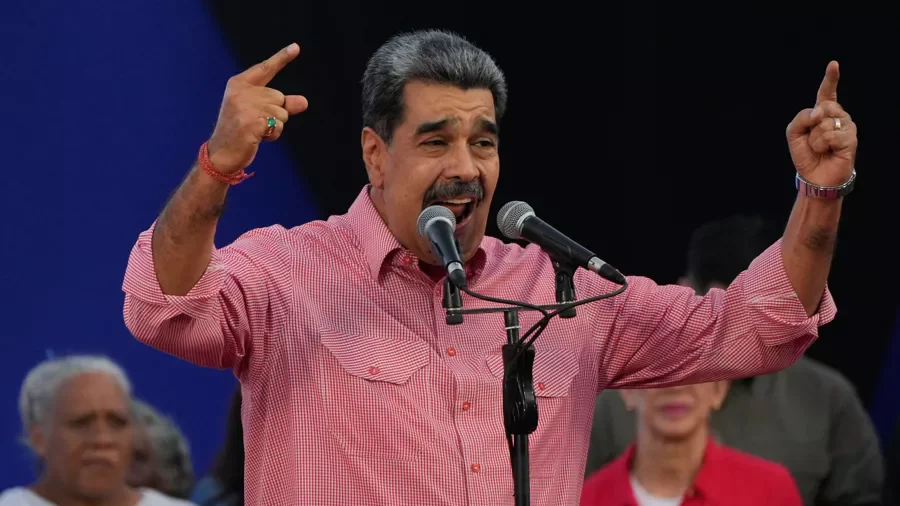
For Ghana, the way Nicolás Maduro was removed raises hard questions about whether powerful states can simply bypass the UN Charter and grab leaders they dislike. Many in Accra fear that normalising such tactics could one day justify similar moves in Africa, particularly in resource‑rich states under pressure from big powers.
There is also a lesson here for Ghana’s own democracy: if crises like Venezuela’s drift for too long, outside actors may feel emboldened to “solve” them in ways that ignore local voices. By defending the rights of Venezuelans—even those who oppose Nicolás Maduro—to shape their own future, Ghana is also defending its own hard‑won independence and that of the wider Global South.
What to Watch Next
The trial of Nicolás Maduro in New York will test how far US courts are willing to go in treating a deposed president as an ordinary criminal suspect. At the same time, Venezuela’s fragile interim authorities must convince citizens and neighbours that they are not just a façade for foreign control over the country’s oil and politics.
Ghana and other African states are likely to push at the UN and African Union for clearer red lines against raids like the one that toppled Nicolás Maduro. How these debates unfold could shape a new chapter in the struggle between global justice, great‑power ambition and the sovereignty of smaller nations.