
Ghana alumina refinery plans move forward as Nyinahin bauxite project and new investments aim to transform the country’s mining value chain.
Question:
What does the Ghana alumina refinery plan mean for the country?
Answer:
The Ghana alumina refinery plan aims to process local bauxite into alumina, keeping more value jobs and revenue within Ghana.
Ghana is moving beyond raw exports.
Bauxite is now at the centre of a bigger vision.
The Ghana alumina refinery could change everything.
Table of Contents
What Has Been Announced So Far
The alumina refinery plan advanced after a formal proposal for large scale development was submitted. This signals readiness to move from talk to execution. Government agencies say the refinery will support Ghana’s industrialisation agenda and reduce dependence on raw mineral exports.
Nyinahin Mines and the 60 Million Dollar Deal
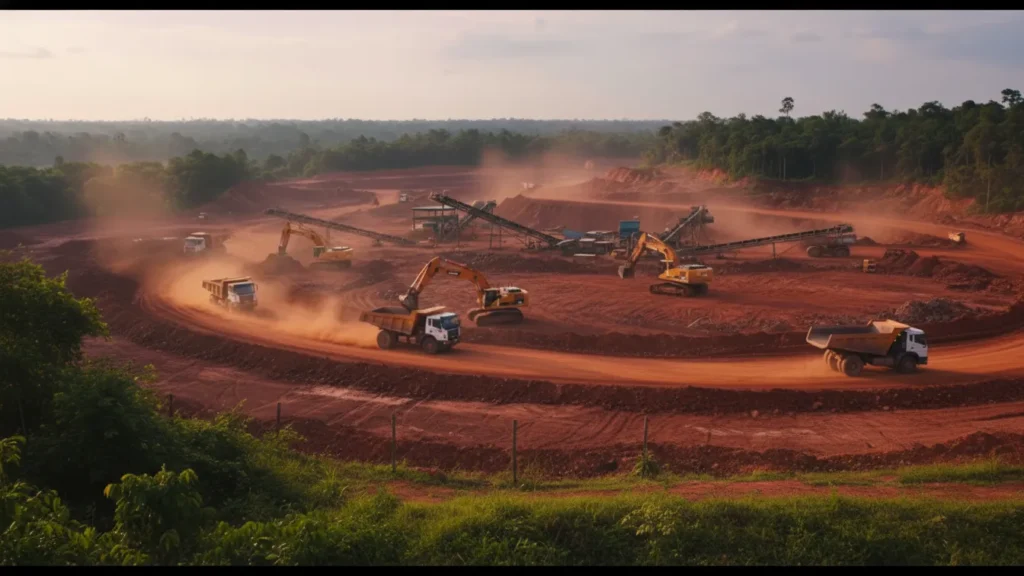
A major step came when Ghana Integrated Aluminium Development Corporation, Metalloid and Ghana Infrastructure and Investment Fund partner GIBDLC signed a 60 million dollar agreement. The deal targets development of the Nyinahin bauxite mines in the Ashanti Region. These mines will supply feedstock for the Ghana alumina refinery and related aluminium projects.
Why Alumina Matters More Than Raw Bauxite
For decades Ghana exported bauxite in its raw form. The Ghana alumina refinery changes that model. Alumina is a higher value product used to produce aluminium. Processing locally means more skilled jobs stronger industrial capacity and higher export earnings.
Economic Impact and Job Creation
Officials say the alumina refinery could create thousands of direct and indirect jobs. Construction logistics power supply and transport will all benefit. Local businesses around Nyinahin are expected to see growth once mining and processing begin.
Environmental and Community Considerations
Authorities stress that the Ghana alumina refinery must follow strict environmental rules. Land restoration water use and community compensation remain key concerns. Lessons from past mining projects have pushed regulators to demand clearer safeguards and local engagement.
Why This Matters in Ghana
The alumina refinery fits into a wider push to industrialise. It supports the aluminium value chain from mining to manufacturing. If managed well it could reduce imports strengthen the cedi and support long term economic resilience.
Key Takeaways:
• The Ghana alumina refinery aims to process bauxite locally instead of exporting raw ore.
• Nyinahin mines are central to the new aluminium value chain.
• A 60 million dollar agreement has set early development in motion.
• Jobs revenue and industrial growth are the main expectations.
Conclusion
The Ghana alumina refinery represents a defining moment for the mining sector. Success will depend on execution transparency and balancing growth with environmental care.