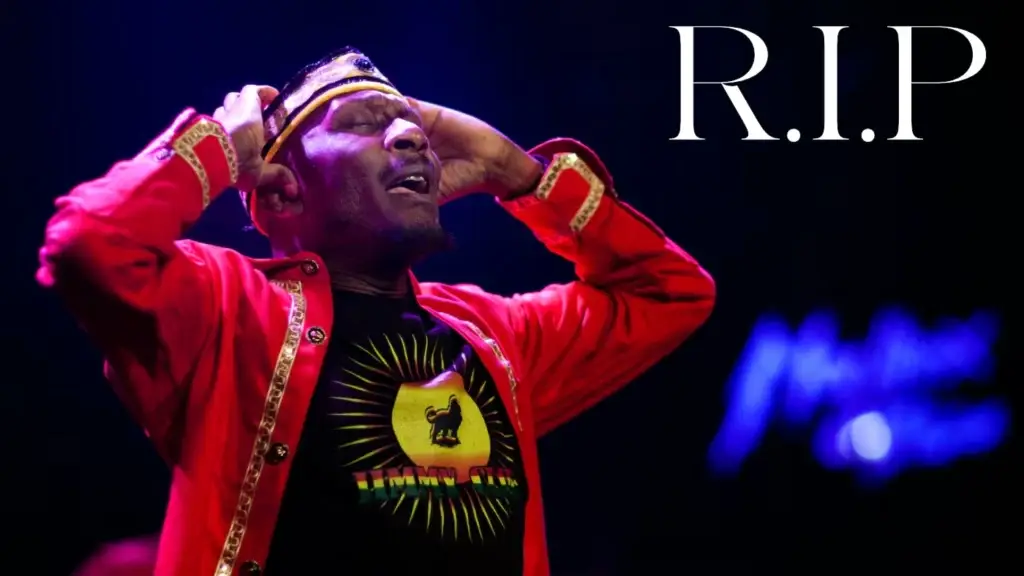
High Court confirms Daddy Lumba died intestate. Learn how Ghana’s succession laws apply when no will exists, and why Akosua Serwaa and Odo Broni’s legal battle escalates.
Question: What happens to Daddy Lumba’s estate with no will confirmed by the High Court?
Answer: Ghana’s Intestate Succession Act applies, splitting assets among surviving spouses Akosua Serwaa and Odo Broni equally for the spousal share, with children taking the majority; the court oversees distribution after valuing properties.
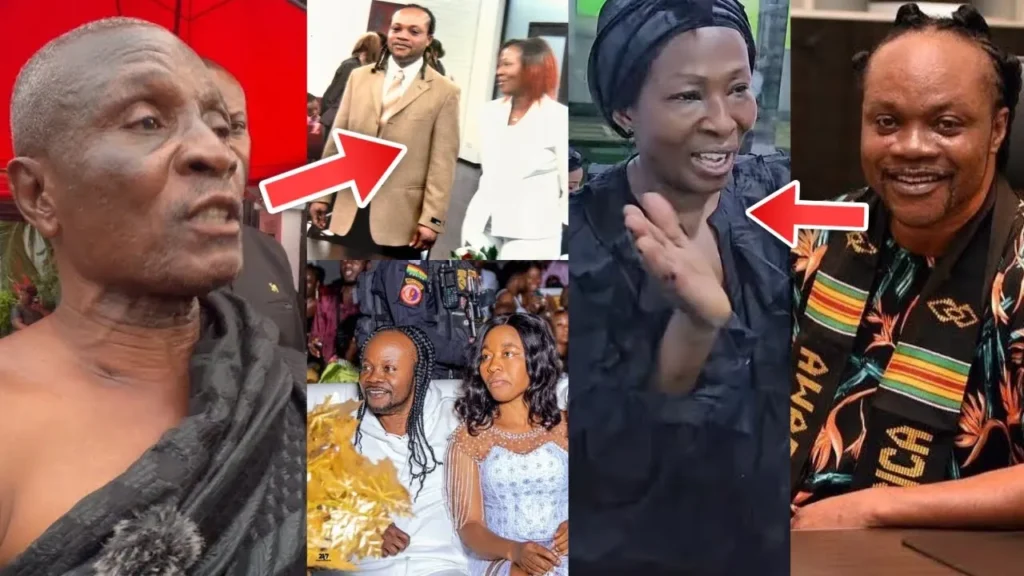
Six months post-burial, a leaked High Court document confirms Daddy Lumba died without a will. This stalls Letters of Administration and reignites the widow dispute over his GH¢10m+ properties. The family Abusuapanin weighs in on the legal path ahead.
Table of Contents
Daddy Lumba Estate: What Happens When There’s No Will?
What takes place when a major estate has no will on file? The High Court has just confirmed that celebrated musician Daddy Lumba left no registered will, opening the door to Ghana’s intestate succession rules.
Six months after his death, the legal fight over Daddy Lumba’s properties got more complicated. A court registry search in January 2026 found no will record. The Probate and Administration Division endorsed this on January 19, leaving blank spaces where will details would normally go. This means his estate of multiple houses, businesses, and land across Ghana will be handled differently than if he’d left instructions.
The confirmation shifted the conversation from “who was his real wife?” to “who gets what and how much?” Under Ghana’s succession laws, both his recognised wives, Akosua Serwaa and Odo Broni, plus his children and extended family now have claims. No written instructions means the court must follow a legal formula to decide distribution, and that formula splits the pie among several groups.
How Ghana’s Intestate Law Works
When someone dies without a will, Ghana’s Intestate Succession Act spells out who benefits and in what order. The law assumes the person would have wanted to support their spouse and children first. Of the total estate value, 75% goes to spouses and children combined. The surviving spouse or spouses get 18.75% of that amount shared equally. The rest goes to the children.
The extended family (parents, siblings, grandparents) gets the remaining 25% if there are no children. But Daddy Lumba had several children recognised by both wives, so the extended family share is secondary. Akosua Serwaa and Odo Broni both qualify as surviving spouses under the November 2025 High Court ruling that recognised both marriages as valid under customary law. This means they split the spousal portion between them.
What This Means for Both Wives
Akosua Serwaa filed for Letters of Administration in January 2026 to manage the estate as the person applying for control. However, Odo Broni’s legal team quickly filed a caveat, a legal notice that freezes the process and demands they be heard first. The caveat was endorsed on January 19, creating a stalemate.
The Abusuapanin, Kofi Owusu, told a video interviewer that both wives’ claims are legally proper but require proper valuation and court approval. He noted no will means the family must follow court rules, not personal preference. Akosua Serwaa’s inventory listed properties worth roughly GH¢10.8 million, but exact values remain disputed.
When two wives hold equal legal status and multiple children exist, intestate succession becomes lengthy. Courts must verify each property, assess its value, confirm each child’s parentage, and calculate shares. The process typically takes months or years in Ghana’s court system.
Lumba’s Assets and Valuation Challenges
A will gives clear direction and speeds up probate. It names an executor to handle affairs and lists who gets what. Without it, the court becomes the executor. Courts move slower than private executors, and Ghana’s court dockets are crowded. Every party can object to valuations, demand recalculations, or file counter-claims.
In Daddy Lumba’s case, assets include real estate in Accra neighbourhoods like Dome and East Legon, commercial buildings in Kumasi, land parcels in Kasoa and Kwadaso, plus business stakes in DL FM radio and DL Water company. Each asset requires formal assessment. When two surviving wives and multiple beneficiaries all have claims, disagreement over property values is almost guaranteed.
Why It Matters in Ghana
For most Ghanaians, intestate succession is the reality. Many high-income earners and business owners put off formal wills for years. The Daddy Lumba case shows the real cost: family conflict, prolonged legal fees, and delayed access to assets. His case also highlights the complexity of customary and civil marriages in Ghana. The court recognised both Odo Broni’s customary marriage and Akosua Serwaa’s German civil marriage as equally valid, creating a scenario Ghanaian intestacy law did not anticipate when drafted in 1985.
For business owners and professionals, the lesson is direct: a will protects your family and clarifies your wishes. Without one, the state’s default rules take over, and relatives compete in court rather than honour your memory in peace.
What to Watch Next
The High Court will decide how to split the estate between both surviving wives and all recognised children. Akosua Serwaa’s appeal against the marital ruling remains pending in the Court of Appeal. Until that appeal closes, both legal questions (who counts as spouse and how much each spouse gets) remain unsettled. The family may argue further over property values and boundary lines, extending the process further.
Debesties will track updates as court dates approach. Check our original coverage on Akosua Serwaa vs Odo Broni Estate Clash and Daddy Lumba Funeral Rites Drama.