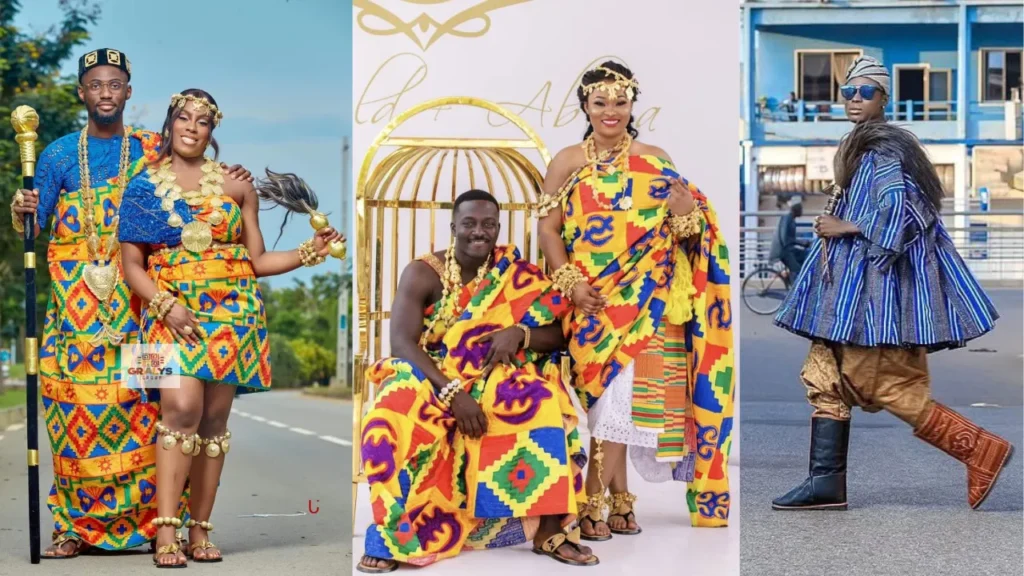
Ghanaian naming ceremony explained through Akan, Ga, Ewe, and Fante traditions, rituals, meanings, and why names shape identity.
Question: Why is the Ghanaian naming ceremony important across different ethnic groups?
Answer: Because the Ghanaian naming ceremony formally introduces a child to family, ancestors, and community while defining identity and belonging.
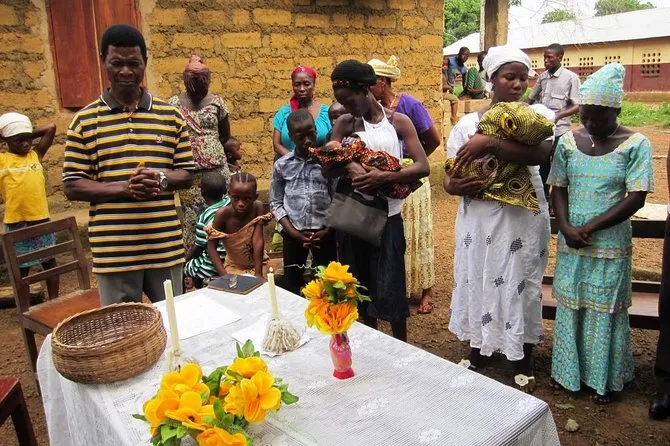
A name in Ghana is never random.
It carries ancestry, history, and responsibility.
That is why naming ceremonies matter.
Table of Contents
What a Ghanaian Naming Ceremony Is
A Ghanaian naming ceremony is a traditional rite that officially welcomes a child into the family and community. It affirms the child’s humanity, spiritual protection, and connection to ancestors. While details vary across ethnic groups, the core purpose remains the same: identity, belonging, and continuity.
In many traditions, the ceremony is held on the eighth day after birth, based on the belief that the child has fully entered the world.
Ghanaian Culture and Traditions You Should Know and Celebrate
Akan Naming Ceremony Traditions
Among the Akan, naming ceremonies strongly emphasize day names. Children are named according to the day of the week they were born, such as Kofi for Friday born males or Ama for Saturday born females.
The ceremony is led by elders who pour libation, offer prayers, and bless the child. Water and sometimes alcohol are touched to the child’s tongue to symbolically introduce truth and life experiences. Additional family or spiritual names may be given to reflect lineage, circumstances of birth, or expectations for character.
Ga Naming Ceremony Traditions
Among the Ga people, naming ceremonies are closely tied to patrilineal family structures. Children often receive names connected to family ancestors or clan history, alongside day names.
The ceremony involves elders and family heads who officially present the child to the household. Libation is poured, prayers are said, and the child is introduced to the gods and ancestors of the family. Respect for lineage and continuity is central to the Ga naming ceremony.
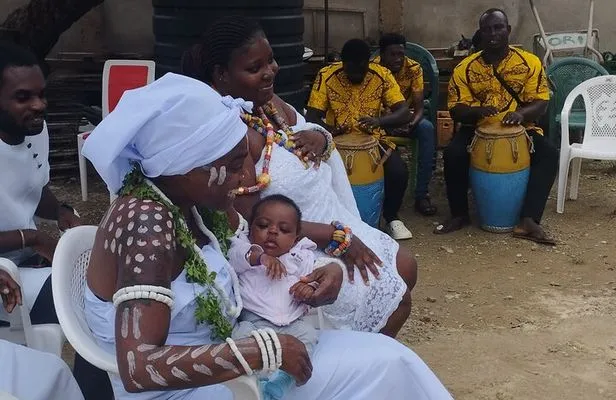
Ewe Naming Ceremony Traditions
Ewe naming ceremonies place strong emphasis on spiritual protection and moral guidance. Names may reflect the day of birth, family lineage, or circumstances surrounding the child’s arrival.
Rituals often include libation, prayers, and the symbolic touching of water to the child’s tongue to represent truthfulness. Elders play a key role in choosing names that reflect destiny, values, and community expectations.
Fante Naming Ceremony Traditions
The Fante, who are part of the larger Akan group, share similarities with Akan naming practices but often place additional emphasis on family praise names and historical lineage.
Naming ceremonies involve extended family members, elders, and traditional prayers. Names are chosen to connect the child to ancestry, moral character, and communal responsibility. The ceremony reinforces unity and continuity within the family.
Common Ritual Elements Across Ghana
Despite ethnic differences, most Ghanaian naming ceremonies share common elements. Elders guide the process. Ancestors are acknowledged. Blessings are offered. The child is formally introduced to the community.
These rituals are not symbolic performances. They reflect deeply held beliefs about truth, protection, morality, and identity.
Naming Ceremonies in Modern Ghana and the Diaspora
Today, many families blend traditional naming ceremonies with Christian or Islamic prayers. Urban settings may change the environment, but core traditions remain intact.
Across the diaspora, Ghanaian families continue naming ceremonies to preserve identity and cultural memory for future generations.
National Commission on Culture Ghana
Why the Ghanaian Naming Ceremony Still Matters
In a rapidly changing world, the Ghanaian naming ceremony remains a foundation of identity. It reminds families that names are inherited with meaning and responsibility.
It ensures that culture is not only remembered but practiced.
Key Takeaways
• A Ghanaian naming ceremony formally welcomes a child into family and community
• Akan, Ga, Ewe, and Fante groups each have distinct but related traditions
• Elders and ancestors play a central role in all ceremonies
• Names reflect identity, lineage, and moral values
• The practice remains relevant in modern Ghana and the diaspora
Conclusion
A Ghanaian naming ceremony is more than a celebration.
It is a declaration of identity.
A bridge between generations.
And a living tradition that continues to shape Ghanaian society.