Malaria vaccines Ghana are reducing child deaths, easing hospital pressure, and strengthening child health protection nationwide.
Question:
How are malaria vaccines changing child survival in Ghana?
Answer:
Malaria vaccines Ghana has introduced are reducing severe malaria cases and child deaths, offering stronger protection for children under five.
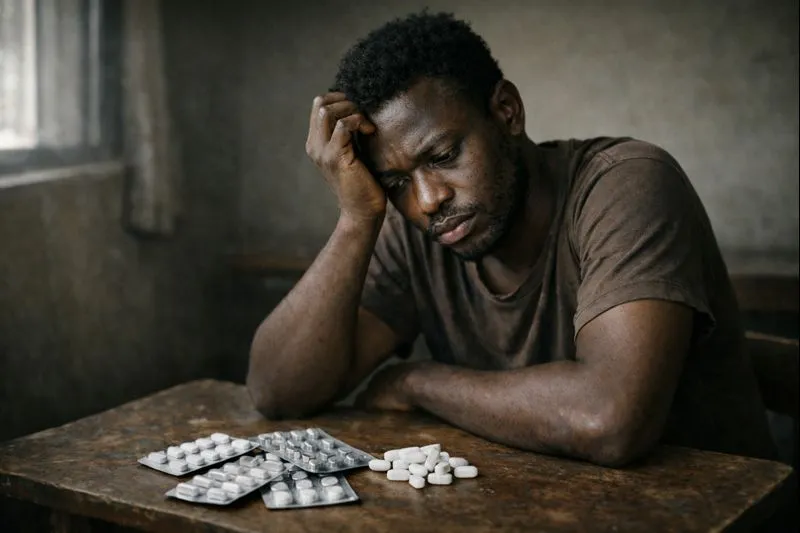
Malaria has always been a major threat to children.
For years, families lived with fear during rainy seasons.
That story is beginning to change.
Table of Contents
What Is Happening
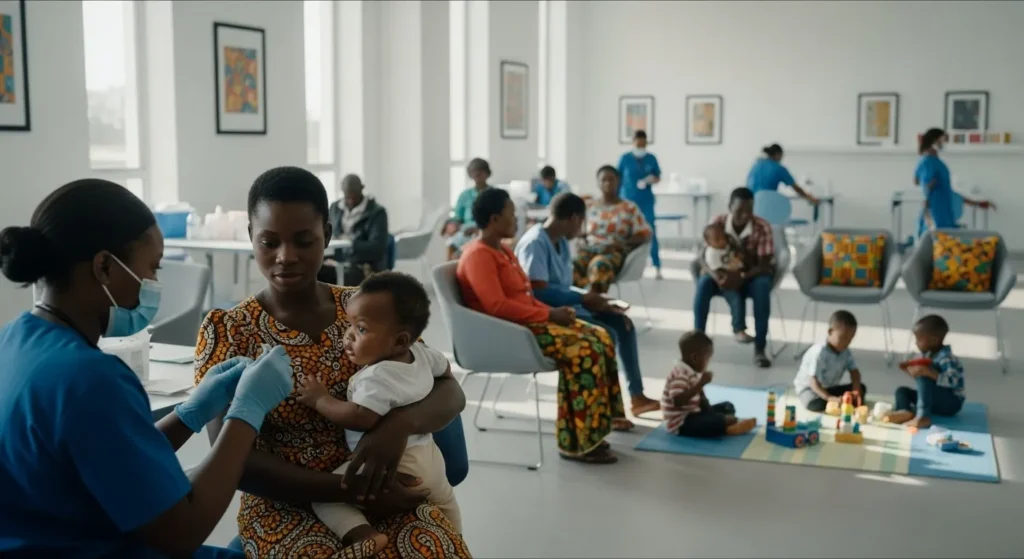
Malaria vaccines Ghana rolled out through pilot and national programmes are protecting children from severe malaria. These vaccines work alongside mosquito control and early treatment to reduce serious illness.
Health authorities report a steady drop in malaria related child deaths between 2018 and 2024. This improvement reflects stronger prevention and wider vaccine access across several regions.
How the Vaccines Work
The vaccines approved by the World Health Organization are given in multiple doses. Three early doses provide strong protection, followed by a fourth dose before age two to maintain immunity.
According to guidance from the World Health Organization, malaria vaccines Ghana uses can cut malaria cases by more than half during the first year after vaccination. This protection is strongest when children complete all required doses.
Why It Matters in Ghana
Malaria vaccines Ghana has adopted are easing pressure on hospitals and clinics. Fewer severe cases mean health workers can focus resources on other urgent needs.
Data and programme updates shared by the Ghana Health Service show that malaria vaccines are strengthening routine child immunisation in Ghana. This supports broader efforts already discussed in Debesties coverage on child health in Ghana and public healthcare in Ghana.
Challenges and Opportunities
Malaria vaccines Ghana programmes still face challenges. Early supply shortages slowed initial rollout. Multiple doses also require reliable follow up by health workers and caregivers. Funding gaps from international partners remain a risk.
There is also good news. Vaccine producers plan gradual price reductions in the coming years. Support from organisations such as UNICEF continues to improve access and delivery systems, especially in high risk communities.
What This Means for Families
Malaria vaccines Ghana families now depend on bring relief. Parents face fewer emergency hospital visits. Children miss fewer school days as they grow older. Communities gain confidence that malaria no longer has to claim young lives so easily.
Key Takeaways:
• Malaria vaccines Ghana programmes are reducing child deaths and severe illness.
• Completing all vaccine doses is critical for strong protection.
• Lower vaccine prices could improve nationwide access.
• Strong health systems are essential for long term success.
Conclusion
Malaria vaccines Ghana has embraced show how prevention saves lives. With steady funding, education, and follow up, this progress can continue and protect future generations.