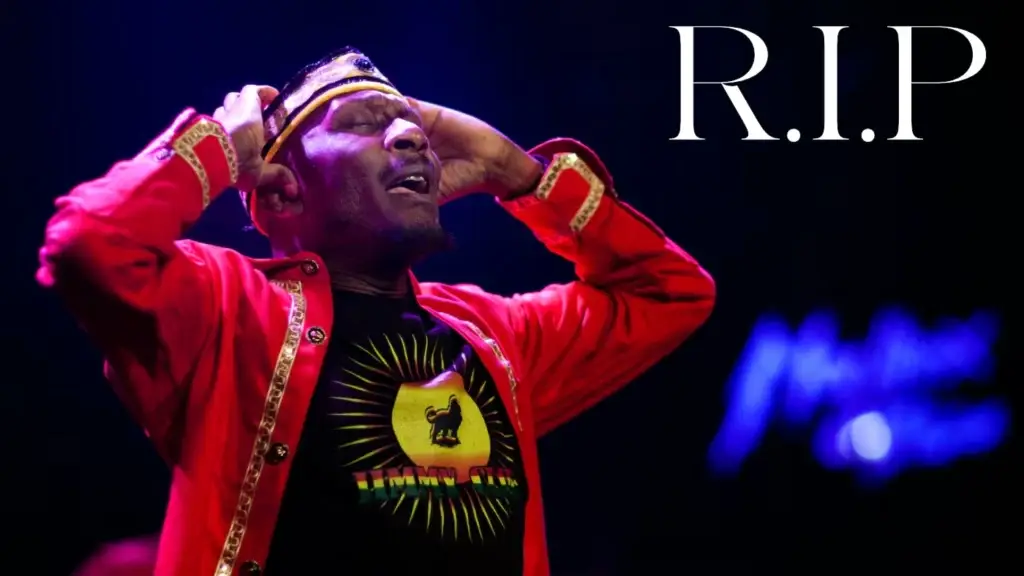
Kojo Antwi struggles with piracy, venue limits, and weak royalties reveal how Ghana’s music system holds even legends back.
Question:
What are the real Kojo Antwi struggles behind his long highlife career, and what do they reveal about Ghana’s music system?
Answer:
Kojo Antwi struggles show how piracy, poor venue infrastructure, and weak royalty systems quietly limit even the most successful Ghanaian musicians, forcing them to depend on live shows and personal sacrifice instead of a stable, well supported music economy.
Kojo Antwi is celebrated for love songs, classic highlife albums and legendary December concerts.
Behind that smooth story is a tougher one about money lost, venues outgrown and systems that never fully caught up with his talent.
Understanding his journey helps explain why Ghana music still struggles to turn fame into lasting security.
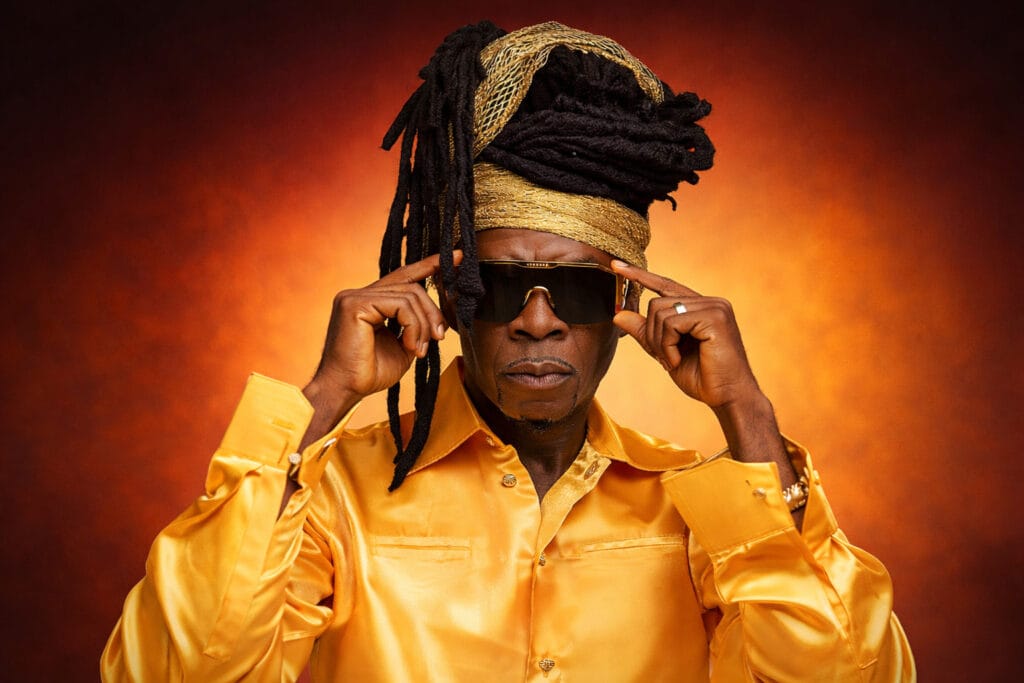
Table of Contents
What You Need to Know About Kojo Antwi Struggles
At the centre of Kojo Antwi struggles is a simple tension. His creativity kept growing, but the structures meant to support him stayed weak. That gap shows up in three main areas.
First, there is the venue story. For years, his December twenty four concerts at the National Theatre were a holiday ritual. Over time, he walked away from that space, explaining that poor maintenance and dated facilities no longer matched the kind of live production he wanted to give fans. The venue did not evolve at the same pace as his stage ideas, so he had to move on instead of growing inside the system.
Second, there is piracy and lost income from recorded music. During the era when compact discs and cassettes carried Ghana music across trotro stations and markets, pirates moved faster than the law. One of the most cited examples is how his album Densu ended up widely bootlegged on the streets of Accra, with cheap copies eating into potential earnings while enforcement stayed slow and weak.
Third, there is the question of royalties and long term security. Like many Ghanaian artistes, Kojo Antwi built a powerful catalogue. Yet the structures meant to track usage, collect royalties and pay fairly have often lagged behind. That reality pushes even respected legends to depend heavily on shows and deals instead of predictable music income.
Across all of this, his influence has still travelled far. Cuba based Ghanaian singer KJ, for example, openly credits Kojo Antwi as a core influence, describing his music as flawless and using his songwriting and vocal style as a template. That contrast is important. The art reaches the world, but the systems that should reward it remain fragile at home.
Ghana Highlife UNESCO heritage earns powerful world honour
How These Struggles Play Out in Practice
To understand how these issues work in real life, it helps to look at the processes behind them rather than only the surface events.
With venues, the problem is not only one building. When a space like the National Theatre is not properly maintained, it affects sound quality, safety, stage design options and overall experience. For an artiste building more complex shows, that means extra cost just to meet a basic standard, or a hard choice to leave a familiar venue. Kojo Antwi decision to move away from the National Theatre is a clear example of an artiste who had outgrown the infrastructure available to him.
The piracy problem follows a repeatable pattern. An artiste invests time, studio fees and promotion into an album. Once it gains attention, unauthorized copies appear quickly in markets and transport hubs. In the time before streaming, those copies often reached fans faster and cheaper than official stock. Each pirated copy represented revenue that never got reported or taxed, and never returned to the artiste or the industry. When Densu was widely pirated, it weakened the financial base that could have funded better tours, videos and future albums.
Royalties and rights management add another layer. For a healthy music economy, there needs to be clear data on where songs are played, agreements on what each play is worth and trusted bodies that collect and distribute that money. In Ghana, debates around collection societies and transparency have been running for years. Kojo Antwi public comments and his long career place him in the middle of that debate, both as a beneficiary when things work and as a critic when they do not.
Other highlife legends have faced similar patterns. Past Debesties coverage on Daddy Lumba and the highlife succession crisis has already explored how legacy artistes carry the genre but do not always benefit from strong business structures. In another anchor piece on Ghana highlife and UNESCO heritage recognition, the focus was on how global praise often arrives before local systems are fully ready to protect and monetize the culture it celebrates. Kojo Antwi story fits neatly beside these earlier themes.
Why It Matters in Ghana
Kojo Antwi struggles are not only about one man. They reveal how Ghana, as a country that loves music, sometimes fails to translate that love into durable infrastructure and fair economics.
When top tier artistes cannot rely on well maintained venues, the effects ripple. Shows concentrate in a few premium spaces that are expensive and mostly in Accra. That leaves regional cities and smaller communities with fewer chances to host big cultural events. It also pushes ticket prices up, because organisers have to recover higher production and rental costs from fewer locations.
Piracy and weak royalty systems lower the ceiling for everyone. If established artists like Kojo Antwi cannot fully rely on their catalogues to pay them over time, younger artistes read that signal clearly. They may treat music as a short term hustle rather than a profession, or they may move their base of operations to places where they feel their rights will be better protected. For Ghana, that means a risk of losing talent, intellectual property and the chance to own more of its creative economy.
There is also a cultural memory angle. Highlife is a key part of Ghana identity and has been recognized at international levels. Yet without strong systems, classic albums can be hard to find in official channels, under marketed or overshadowed by unauthorized uploads. That weakens the link between generations. When Debesties covered highlife and its UNESCO related attention, the message was clear. Recognition is valuable, but it must be matched with practical investment in archives, education and fair pay for creators. Kojo Antwi experience underlines that point.
For the Ghanaian diaspora, stories like this explain why beloved legends may not tour as often as fans expect, or why new projects take long to arrive. They show that the barrier is not creativity but structure. Understanding this can also shape how fans choose to support artistes, for example by buying official releases, attending properly organised shows and demanding better standards from gatekeepers.
Common Questions Answered
Is this only about Kojo Antwi and the National Theatre
No. His decision to leave that venue is one visible case, but it highlights a wider issue with cultural infrastructure. Many performers across genres talk about sound, safety and flexibility problems in different halls and event spaces. His profile simply makes the problem harder to ignore.
Has piracy improved now that streaming is common
Streaming has changed how people access music, but it has not completely removed piracy. Unlicensed uploads, file sharing platforms and fake accounts still exist. For older highlife catalogs, there is also the issue of who controls the rights and whether the artistes see their fair share of streaming revenue. The legacy of earlier physical piracy continues to shape trust levels in the system.
Why is Kojo Antwi influence still so strong despite these struggles
Influence is built on consistency, cultural relevance and emotional connection, not only on income. Kojo Antwi songs cut across generations and borders. Artistes like KJ in Cuba and many younger Ghanaian singers mention him because his work taught them how to blend highlife roots with modern sound without losing depth. That creative leadership can exist even when business structures are slow to catch up.
What would real change look like for artistes like him
Real change would mean better funded and maintained venues across the country, clear royalty tracking and payment, stronger enforcement against piracy and more partnerships that treat artistes as long term collaborators rather than short term content suppliers. It would also mean integrating lessons from past icons into policy and education, instead of treating each struggle as an isolated story.
Key Takeaways:
- Kojo Antwi decision to leave the National Theatre exposed deep problems with maintenance and live show infrastructure.
- Piracy of albums like Densu reduced income that could have funded future projects and tours.
- Weak royalty and rights systems push artistes toward risky dependence on live performances.
- His influence on younger and diaspora artistes, such as KJ in Cuba, shows how far the music travels even when systems lag behind.
- Past Debesties coverage on Daddy Lumba and on highlife recognition connects to the same structural gaps around support and succession.
- Fixing venues, enforcement and royalties would help turn respect for legends into long term security for Ghana music.
Conclusion
Kojo Antwi struggles tell a layered story. On the surface, they explain why some shows moved, why some albums did not bring in as much money as expected and why certain public comments sparked debate. At a deeper level, they map out pressure points in Ghana music that affect everyone from veteran highlife stars to new bedroom producers.
As Debesties has shown in earlier anchor pieces on Daddy Lumba and on highlife global recognition, the same themes keep returning. Talent is not the problem. The missing pieces are strong venues, fair rights management and a culture of maintenance and accountability around the arts.
Framing Kojo Antwi journey as an explainer rather than only as a news item helps keep focus on the systems behind the headlines. It invites readers, policymakers, fans and industry players to see his story as a guide to what must change if the next generation of Ghana music legends is to struggle less and create more.