
The 24-Hour Economy Authority Bill has been signed into law, and Ghana’s labour federation says it can revive industries and create jobs if implemented well.
Question:
What does the new 24-Hour Economy Authority Bill mean for Ghanaian workers and local industries, and why is the Ghana Federation of Labour supporting it?
Answer:
The 24-Hour Economy Authority Bill creates a central body to coordinate round‑the‑clock economic activity, and the Ghana Federation of Labour believes it can revive local industries, boost productivity and create long term jobs if government follows through on implementation.
Ghana’s flagship 24‑hour economy idea has finally moved from talk to law.
President John Dramani Mahama has signed the 24-Hour Economy Authority Bill, and organised labour is already weighing in.
For many workers and business owners, the big question now is what this Authority will actually do on the ground.
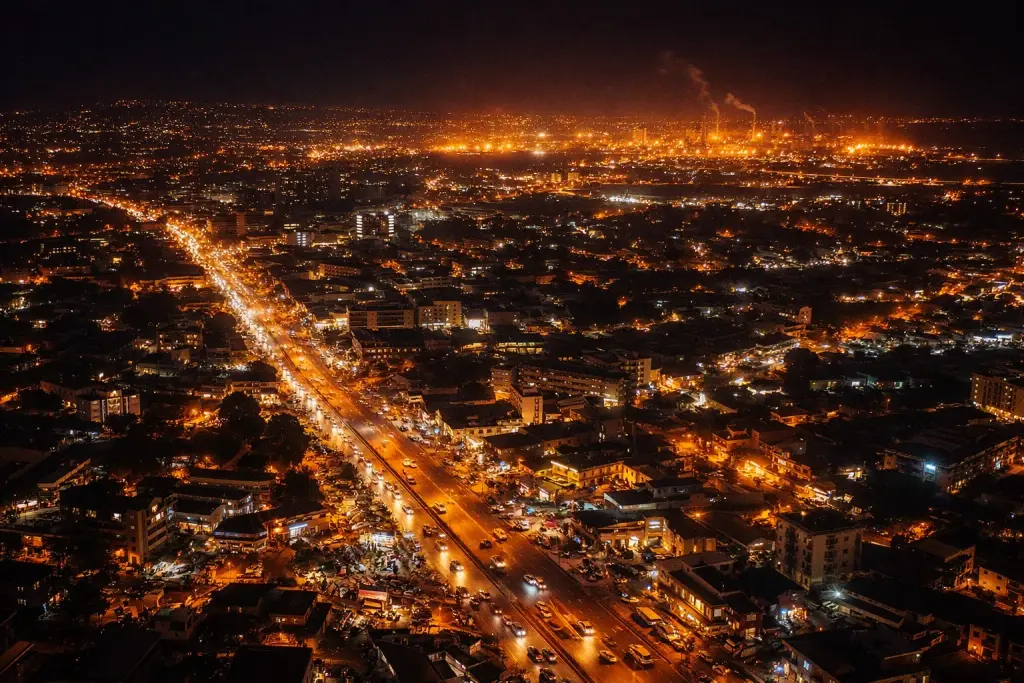
Table of Contents
What you need to know about the 24-Hour Economy Authority Bill
Parliament passed the 24-Hour Economy Authority Bill earlier in February after several days of debate, and President Mahama assented to it at Jubilee House on 19 February 2026.
The law creates a 24-Hour Economy Authority, a central body that will coordinate the nationwide rollout of around‑the‑clock economic activity under government’s flagship 24‑hour economy agenda.
According to official communication, the Authority will work with ministries, agencies, Metropolitan, Municipal and District Assemblies, as well as private sector players, to align infrastructure, regulations and incentives with extended working hours.
The focus is on sectors like manufacturing, agro‑processing, logistics, services and export‑oriented industries, where multiple shifts can make better use of existing plants, warehouses, ports and roads.
President Mahama has described the move as a shift from “strategy to implementation,” saying the policy is meant to unlock jobs, improve productivity and make better use of public investments that sit idle at night.
For ordinary Ghanaians, this means the 24‑hour economy is no longer just a campaign phrase but a framework that can be measured, tracked and questioned.
How the Ghana Federation of Labour views the new Authority
The Ghana Federation of Labour, led by Secretary‑General Abraham Koomson, has welcomed Mahama’s assent to the 24-Hour Economy Authority Bill, calling it a significant step toward reviving local industries and strengthening the economy.
Koomson says the main goal of the policy is to introduce practical measures that help local industries expand production, grow sustainably and create long term employment rather than short‑term programmes.
He has praised the creation of a dedicated 24‑Hour Economy Secretariat, arguing that a structured and well‑coordinated approach can help prevent the same systemic issues that previously led to the collapse of many factories.
According to him, the new Authority gives businesses a direct platform to raise operational concerns and get quicker solutions, instead of relying only on one ministry or scattered agencies.
The Federation’s support is not new; it has consistently backed the idea of a 24/7 economy as a way to revive shift systems that existed in Ghanaian industry from the 1970s to the early 1990s.
By welcoming the new law, GFL is signalling that organised labour wants to be part of the implementation, not just a late‑stage critic.
How the 24-Hour Economy Authority could work in practice
Under the law, the Authority is expected to design incentives and frameworks that encourage companies to add extra shifts, extend opening hours or run full 24‑hour operations where it makes sense.
This may include tax or tariff incentives, priority access to infrastructure, or coordinated support with energy, security and transport agencies to keep night‑time operations safe and reliable.
Stakeholders expect the Authority to provide a single contact point for businesses that want to join the 24‑hour programme, especially those in industrial enclaves, export zones and key value chains like steel, agro‑processing and logistics.
Instead of each company battling multiple offices, the Secretariat can help channel complaints, troubleshoot bottlenecks and monitor whether promised support is actually reaching the ground.
For workers, a well‑run 24‑hour system should mean properly structured shifts, better scheduling, and clear labour standards for night work, rather than informal overtime without protection.
If the Authority collaborates closely with unions and employer associations, it could help set templates for fair allowances, transport support and safety measures for staff on late shifts.
Why it matters in Ghana right now
Ghana is still dealing with high unemployment and underemployment, especially among young people who may only get casual or part‑time work even after finishing school.
A 24‑hour economy model, if backed by real investment and stable utilities, can create more shift‑based jobs in factories, call centres, logistics hubs, ports, hospitals and public services.
For local industries that struggle with high costs, spreading production across three shifts could make better use of expensive machinery and reduce unit costs, especially in steel, cement, food processing and textiles.
That can help Ghana reduce dependence on imported finished goods and revive some of the industrial capacity that once operated on full shift systems.
From a lifestyle angle, a successful 24‑hour economy would also change how Ghanaians use cities at night, from transport and retail to entertainment and digital services, opening new opportunities for creators and small businesses.
However, it will also test the reliability of power, water and security, issues that GFL has already flagged as potential threats to the success of the policy if not addressed.
What gaps still exist and what GFL wants fixed
Despite the excitement, the Ghana Federation of Labour and other observers see clear gaps that still need answers, especially on implementation and worker protection.
Koomson has warned that inconsistent water supply in industrial zones and other basic infrastructure problems could undermine the 24‑hour economy before it starts.
There are also political concerns: some critics in Parliament argue that the Authority could become another bureaucracy if it does not deliver clear, measurable results on jobs and exports.
Labour groups want strong monitoring, transparent reporting, and a say in how incentives and shift standards are designed, so the policy does not become a slogan that bypasses workers’ real needs.
For digital‑age workers and small businesses, details about how the 24‑hour model will support tech hubs, creative industries and night‑time services are still emerging, which creates a space for media like Debesties to explain and track progress over time.
This is where you can fill a content gap: by following how the Authority rolls out sector by sector and what that means for actual jobs and incomes.
Key Takeaways:
- The 24-Hour Economy Authority Bill is now law, creating a central body to coordinate round‑the‑clock economic activity across Ghana.
- The Ghana Federation of Labour supports the move, saying it can revive local industries and create long term jobs if implementation is serious and structured.
- The new Authority is expected to design incentives, solve bottlenecks and work with businesses, unions and government agencies to make 24‑hour operations practical.
- Success will depend on reliable utilities, fair labour standards and real investment, not just legislation and speeches.
- There is a clear content gap for ongoing, people‑focused coverage of how the 24-hour economy changes jobs, hours and pay for Ghanaian workers in different sectors.