
The Mahama housing fund Ghana is making headlines.Ghana’s housing crisis just got a major government response. President John Dramani Mahama has unveiled a GH¢3 billion revolving housing fund alongside the official sod-cutting for the Green City Housing Project in Kumasi, in what he described as a new phase in Ghana’s housing journey. The announcement marks one of the most ambitious affordable housing interventions in the country’s recent history.
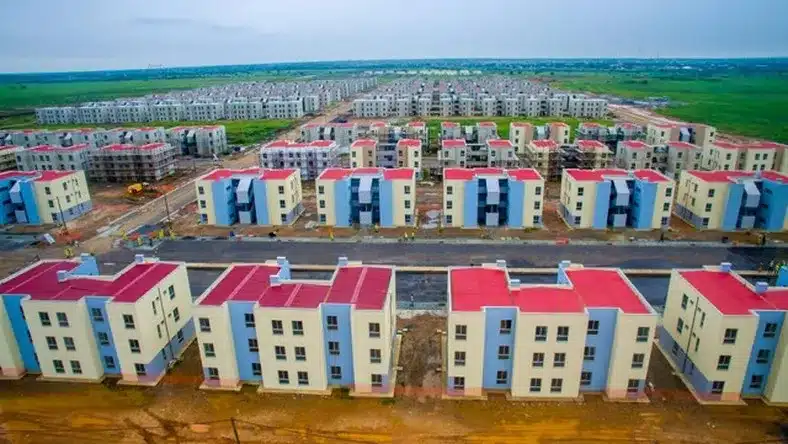
Table of Contents
What Is the Mahama Housing Fund Ghana? GH¢3 Billion Plan Explained
At the heart of the initiative is a GH¢3 billion revolving fund developed through a partnership between the government, organised labour, the Social Security and National Insurance Trust (SSNIT), and Republic Bank Ghana. The fund will allow state housing companies such as the State Housing Company (SHC) and the Tema Development Corporation (TDC) to access credit to build housing units, while banks provide long-term mortgages to workers over 15 to 20 years.
President Mahama described the model as a Ghanaian-tailored solution designed to reflect local economic realities. Workers will be able to acquire homes in cedis with manageable long-term repayments, removing the burden of the notorious two-year rent advance that has long plagued Ghanaian tenants.The Mahama housing fund Ghana has been welcomed by trade unions and housing experts as a bold step toward solving the country’s housing deficit.
Green City Kumasi: What Will It Look Like?
The Green City Housing Project, located at Dedesua in Kumasi on 200 acres of land made available by Otumfuo Osei Tutu II, will deliver over 1,000 residential units within a fully integrated, sustainable community. The development will include roads, drainage systems, schools, commercial spaces, and green infrastructure — making it far more than just a housing estate.
The project is being undertaken by the State Housing Company Limited, and President Mahama has directed that roads and drainage within the estate be absorbed under the government’s Big Push infrastructure programme, reducing the overall cost and making the units more affordable.
Who Will Benefit From This Housing Fund?
The initiative is specifically designed to support public sector workers, teachers, nurses, doctors, and civil servants, who have historically struggled to access decent and affordable housing. However, President Mahama has also urged diaspora Ghanaians to buy into the Green City project, broadening the scope of potential beneficiaries.
Mahama acknowledged Ghana’s housing deficit, estimated at over 1.5 million units, noting it has been driven by years of supply falling short of demand, rising land values, escalating construction costs, and limited access to long-term financing. The new fund is a direct response to this structural crisis.
Saglemi Housing Project to Be Completed
As part of the broader policy shift, President Mahama also announced that the long-stalled Saglemi Affordable Housing Project will be prioritised for completion. He added that new district-level housing schemes will be rolled out to expand access beyond just major cities, bringing affordable housing to more Ghanaians across the country.
What It Means for Ordinary Ghanaians
For millions of Ghanaians who have spent years renting cramped spaces, paying advance rent, or living in informal settlements, this announcement represents a real shift in government housing policy. Phase one of the Green City project is expected to be commissioned next year, and if the financing model delivers as promised, it could set a new benchmark for how Ghana approaches affordable, dignified, and sustainable housing for its people.
The Mahama housing fund Ghana initiative signals a new chapter in the country’s affordable housing story. By combining government backing, organised labour contributions, and private banking support, the model aims to be self-sustaining and scalable. Experts say this tripartite approach is critical to ensuring the fund does not collapse under political transitions, as has been the case with previous housing programmes. Citizens and housing advocates alike are watching closely to see whether delivery will match the ambition of the announcement.