


Aba Dope says she started Snapchat “settings” and fake life in nursing school. Here is what she said, what “settings” means.
Question:
What did Aba Dope actually say about starting Snapchat “settings” and fake life, and why has it become such a big talking point in Ghana?
Answer:
Aba Dope says she began Snapchat “settings” and fake life while in nursing school by staging luxury‑looking snaps, including car videos that made it appear she owned and drove the vehicles. She describes this as her way of standing out when Snapchat was the main platform for young people around 2015 and now boldly claims she started that “settings” and fake life style on Snapchat. Her confession has triggered debate because it exposes how much of the soft life people admire online may be carefully arranged and not real, while her current success as a food entrepreneur with a large team shows how that early image later fed into real‑world hustle.
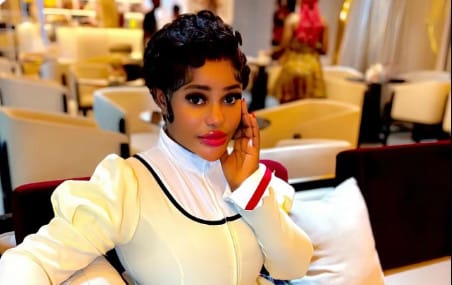
Aba Dope says she started Snapchat “settings” and fake life just to look good and feel noticed when she was a nursing student. Now that she is openly talking about the tricks she used, many Ghanaians are questioning how real the flashy content on their timelines has ever been.
Who Is Aba Dope And What Did She Say?
Aba Dope, real name Aba Martin, is a Ghanaian social media personality and entrepreneur known for her bold content and food business. In a recent conversation that has gone viral, she stated that she started “settings” and fake life on Snapchat back in her nursing school days. She explained that Snapchat was the “boss” app then, and she felt she had to post constantly so she would not look left behind.
To create the lifestyle she wanted people to see, she would go and sit in someone else’s car, place her hand on the steering wheel and record snaps from angles that made it look like she owned and drove the car. She calls this “settings” and says she did it so well that her followers never caught on. As more people started copying similar tricks, she came to see herself as the one who sparked that style of Snapchat fake life among her crowd.
What Does “Settings” And Fake Life Mean On Snapchat?
In Ghanaian social media slang, “settings” refers to carefully arranged scenes designed to look more glamorous, rich or perfect than real life. On Snapchat, this can involve using borrowed spaces, cars or items, plus camera angles and filters, to present a life that looks soft and successful even when the reality is different. The GhanaWeb report points out that the desire to be noticed online has pushed many users into this kind of fake life, especially among the youth.
“I started settings and fake life on Snapchat.” — @aba__dope #Showbiz360 #TV3GH pic.twitter.com/9PEllZn81y
— #TV3GH (@tv3_ghana) January 25, 2026
Today, versions of “settings” appear on Snapchat, Instagram and TikTok, where short clips can quickly build an illusion of constant enjoyment and money. People may see travel, shopping and luxury snaps without knowing how staged they are or what sacrifices sit behind them. Aba Dope’s own story of using someone’s car to look like a car owner is a clear example of how easy it is to create that illusion.
How Did Aba Dope Move From Settings To Business?
Aba Dope’s journey did not end with staged snaps; she used her online visibility to build a food business. In another detailed piece, she shared that she currently works with about 96 staff members. She said many of them were street boys who first joined as dispatch riders and were later trained into kitchen staff and chefs under her guidance. She describes teaching them her recipes and ideas so they could grow with the brand instead of staying on the streets.
Aba Dope food review backlash and what really happened
Her wider story, told in longer interviews, covers her path from nursing and time in China to becoming a TikTok figure and restaurant owner in Ghana. Those interviews also show the pressure that comes with being visible, including moments when she has cried publicly over attacks from customers and online critics. Her life now blends social media influence, business leadership and constant public judgment.
Why Are Ghanaians Talking About This?
Ghanaians are talking about Aba Dope’s claim because it connects directly to everyday concerns about fake life and pressure online. When someone who benefited from “settings” openly admits how staged things were, it forces viewers to rethink how seriously they take social media images. Many young people already feel pushed to match what they see on Snapchat and TikTok, even when their finances and circumstances are very different.
Her openness about travelling for liposuction and spending money to fix her insecurities also taps into wider debates about body image and self‑worth. She has spoken about feeling unhappy with her looks and deciding to change her body, which many people can relate to but rarely discuss. Put together, her confession about “settings” and her later success in business show both the dangers of chasing fake life and the possibility of turning online attention into real‑world opportunities in Ghana.
What Should Young Social Media Users Take From This?
For young social media users in Ghana, Aba Dope’s story is a reminder to separate online performance from personal value. Her early Snapchat days show how easy it is to build a false image, and her later honesty shows that even influencers know the difference between the staged version and the real one.
It also suggests that if people are going to use social media to grow, they should focus on skills, businesses and ideas that can survive even when the “settings” stop. The fact that she now employs dozens of people, including former street boys, is proof that online clout can be redirected into something more solid than likes and views.
Key Takeaways
- Aba Dope says she started Snapchat “settings” and fake life during nursing school around 2015.
- She used staged car videos and angles to look richer and more in control than she really was.
- She later had liposuction in Nigeria and defends BBL‑type procedures as a way to shape the body and remove fat.
- Today she runs a food business with about 96 staff, many trained from street life to kitchen roles.
- Her story highlights both the dangers of fake life and the potential of social media to create real jobs and opportunity in Ghana.



Discussion 1 comments
You must be logged in to write a comment.
Log In Sign Up