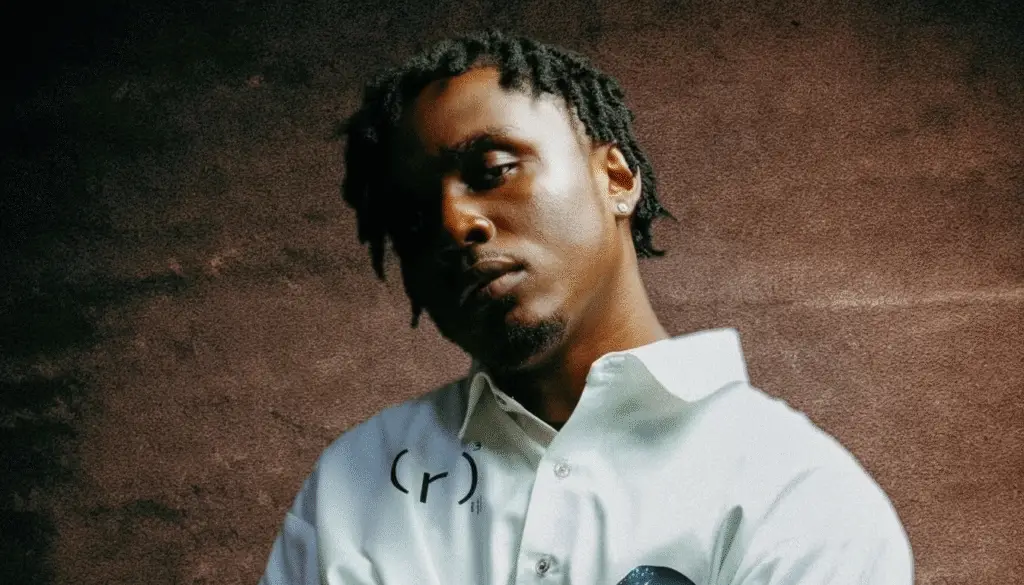
Kwesi Arthur father Ground Up dispute update: four‑year 60–40 deal, rejected 70–30 offer and strong concerns over who controls the rapper’s image today.
Question
What new details does Kwesi Arthur’s father share about his son’s Ground Up Chale contract and image rights, and how do they change the ongoing dispute?
Answer
Kwesi Arthur father Ground Up discussion adds a deeply personal layer to the story by confirming that the rapper’s first contract with the camp ran for four years from about 2015–2016, on a 60–40 split in favour of management. He says Kwesi continued to work with Ground Up Chale for at least another year or two after that period, even contributing to the “Son of Jacob” era, before proposing a new 70–30 arrangement that he believes was never accepted.
In the Gossips24 Avenue interview, the father recalls a meeting where Ground Up boss Glen allegedly complained that payments had gone directly into Kwesi’s account and insisted that those sums should be refunded to the label, which pushed him to start asking tougher questions as a parent. He also claims that, despite the end of active work, Ground Up still “takes custody” of his son’s image to the point where even the family feels they cannot freely use his picture, calling the situation a kind of modern slavery and using the striking “bring back my sperm” metaphor to demand his son’s full freedom.
For the wider saga, Kwesi Arthur father Ground Up testimony strengthens his son’s public claim that he has already done his contractual time and should not have to pay an extra 150,000 dollars just to use his own image on a new project like “Redemption Valley.” It also shifts attention from only social media posts to the human cost on families, as he speaks about years of sleepless nights, constant calls when his son was out with the team, and a decision to now push both Kwesi and Ground Up “to the wall” to get the full truth and closure.
If you missed the full background, read our pillar explainer on the saga here: Kwesi Arthur Ground Up Chale Dispute: What You Need To Know.
Watch: Kwesi Arthur’s Father Speaks
You can watch Kwesi Arthur’s father’s full interview below:
New Highlights From The Interview
Kwesi Arthur father Ground Up conversation confirms that the original contract was, in his understanding, limited to four years, which challenges the idea that the label can still exert the same level of control nearly a decade later. He remembers the split as 60 percent for management and 40 percent for the artiste, a structure he accepted at the time because Ground Up was providing a platform for a young act from Tema who needed visibility.
The father says his son later suggested a revised 70–30 offer in his favour after proving his value, but he believes that negotiation failed and eventually led to Kwesi quietly stepping away to go solo. During his meeting with Glen, he says the Ground Up CEO mentioned specific payments that allegedly went to Kwesi instead of the group account, signalling ongoing financial disagreements that have now spilled into the public.
What stands out most in the Kwesi Arthur father Ground Up interview is the language he uses to express his frustration, including repeated references to slavery and a demand for his “sperms” back if a label insists on owning his child. He explains that his son currently feels he cannot even use his own image for certain activities without fear of legal trouble, which mirrors earlier reports that Ground Up is demanding 150,000 dollars before allowing him to move ahead with promotional materials.

Why This Follow‑Up Matters For The Main Story
Compared to your first explainer, which focused on Kwesi’s posts and the 150,000 dollar allegation, this update shows how Kwesi Arthur father Ground Up tension is affecting the family and clarifies how long the formal deal was supposed to last. For readers who already saw the main article, the new piece helps answer two key questions: what kind of contract existed in the first place, and why the family now believes Ground Up has gone too far with control and financial demands.
It also gives Ghanaian fans and creatives a real‑life example of how contract end‑dates, revenue splits and image clauses can become sources of conflict if they are not fully understood or respected on both sides. By centring Kwesi Arthur father Ground Up experience, you highlight the emotional weight behind legal language, showing how a paperwork dispute can turn into sleepless nights, public warnings about safety and a father feeling forced to speak out for his child.
What It Means For Artist Rights In Ghana
The Kwesi Arthur father Ground Up update fits into a bigger industry conversation about how much power labels should keep after contracts expire, especially over images and catalogue they helped build. Hearing a parent ask whether label deals in Ghana are a form of slavery and question why an artiste cannot freely use his own face pushes the debate beyond fan reactions into a serious discussion about law, ethics and mental health.
or young Ghanaian creatives, this story underlines the need to read contracts carefully, involve lawyers, and think about what happens after the initial term ends, not just how fast a label can help them “blow.” As more voices join the Kwesi Arthur father Ground Up conversation, from producers like Kayso to media personalities and fans, there will likely be stronger calls for transparent contracts, clear image‑rights clauses and better education for emerging artistes before they sign anything.
Key Takeaways
- Kwesi Arthur father Ground Up interview confirms a four‑year contract from around 2015–2016 with a 60–40 split favouring management, followed by extra years of work done in “good faith.”
- He says Kwesi proposed a new 70–30 deal in his favour that never went through, which he believes contributed to his decision to go fully independent.
- The father claims Ground Up still controls his son’s image and even makes the family feel restricted from using his picture, describing the situation as a form of slavery.
- His comments support Kwesi’s public allegation that Ground Up and Glen are demanding 150,000 dollars to allow him to use his own image for “Redemption Valley.”
- The Kwesi Arthur father Ground Up update deepens your original article by adding contract specifics, emotional context and a strong call for better artist‑label practices in Ghana.


Pingback: Music Contract Mistakes Ghanaian Artists Must Avoid Forever