

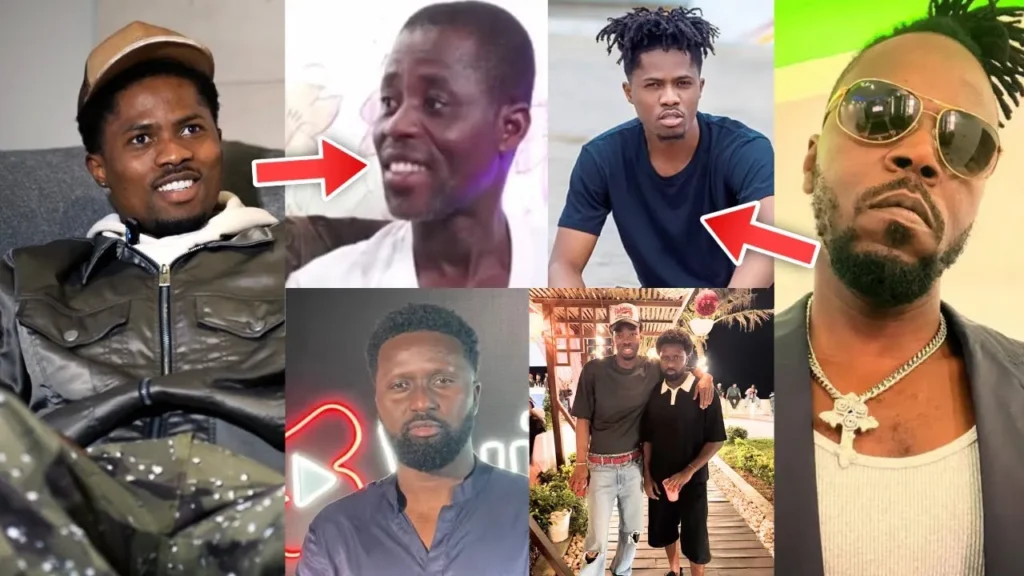
Kwesi Arthur father Ground Up dispute update: four‑year 60–40 deal, rejected 70–30 offer and strong concerns over who controls the rapper’s image today.
Question
What new details does Kwesi Arthur’s father share about his son’s Ground Up Chale contract and image rights, and how do they change the ongoing dispute?
Answer
Kwesi Arthur father Ground Up discussion adds a deeply personal layer to the story by confirming that the rapper’s first contract with the camp ran for four years from about 2015–2016, on a 60–40 split in favour of management. He says Kwesi continued to work with Ground Up Chale for at least another year or two after that period, even contributing to the “Son of Jacob” era, before proposing a new 70–30 arrangement that he believes was never accepted.
In the Gossips24 Avenue interview, the father recalls a meeting where Ground Up boss Glen allegedly complained that payments had gone directly into Kwesi’s account and insisted that those sums should be refunded to the label, which pushed him to start asking tougher questions as a parent. He also claims that, despite the end of active work, Ground Up still “takes custody” of his son’s image to the point where even the family feels they cannot freely use his picture, calling the situation a kind of modern slavery and using the striking “bring back my sperm” metaphor to demand his son’s full freedom.
For the wider saga, Kwesi Arthur father Ground Up testimony strengthens his son’s public claim that he has already done his contractual time and should not have to pay an extra 150,000 dollars just to use his own image on a new project like “Redemption Valley.” It also shifts attention from only social media posts to the human cost on families, as he speaks about years of sleepless nights, constant calls when his son was out with the team, and a decision to now push both Kwesi and Ground Up “to the wall” to get the full truth and closure.
If you missed the full background, read our pillar explainer on the saga here: Kwesi Arthur Ground Up Chale Dispute: What You Need To Know.
Watch: Kwesi Arthur’s Father Speaks
You can watch Kwesi Arthur’s father’s full interview below:
New Highlights From The Interview
Kwesi Arthur father Ground Up conversation confirms that the original contract was, in his understanding, limited to four years, which challenges the idea that the label can still exert the same level of control nearly a decade later. He remembers the split as 60 percent for management and 40 percent for the artiste, a structure he accepted at the time because Ground Up was providing a platform for a young act from Tema who needed visibility.
The father says his son later suggested a revised 70–30 offer in his favour after proving his value, but he believes that negotiation failed and eventually led to Kwesi quietly stepping away to go solo. During his meeting with Glen, he says the Ground Up CEO mentioned specific payments that allegedly went to Kwesi instead of the group account, signalling ongoing financial disagreements that have now spilled into the public.
What stands out most in the Kwesi Arthur father Ground Up interview is the language he uses to express his frustration, including repeated references to slavery and a demand for his “sperms” back if a label insists on owning his child. He explains that his son currently feels he cannot even use his own image for certain activities without fear of legal trouble, which mirrors earlier reports that Ground Up is demanding 150,000 dollars before allowing him to move ahead with promotional materials.

Why This Follow‑Up Matters For The Main Story
Compared to your first explainer, which focused on Kwesi’s posts and the 150,000 dollar allegation, this update shows how Kwesi Arthur father Ground Up tension is affecting the family and clarifies how long the formal deal was supposed to last. For readers who already saw the main article, the new piece helps answer two key questions: what kind of contract existed in the first place, and why the family now believes Ground Up has gone too far with control and financial demands.
It also gives Ghanaian fans and creatives a real‑life example of how contract end‑dates, revenue splits and image clauses can become sources of conflict if they are not fully understood or respected on both sides. By centring Kwesi Arthur father Ground Up experience, you highlight the emotional weight behind legal language, showing how a paperwork dispute can turn into sleepless nights, public warnings about safety and a father feeling forced to speak out for his child.
What It Means For Artist Rights In Ghana
The Kwesi Arthur father Ground Up update fits into a bigger industry conversation about how much power labels should keep after contracts expire, especially over images and catalogue they helped build. Hearing a parent ask whether label deals in Ghana are a form of slavery and question why an artiste cannot freely use his own face pushes the debate beyond fan reactions into a serious discussion about law, ethics and mental health.
or young Ghanaian creatives, this story underlines the need to read contracts carefully, involve lawyers, and think about what happens after the initial term ends, not just how fast a label can help them “blow.” As more voices join the Kwesi Arthur father Ground Up conversation, from producers like Kayso to media personalities and fans, there will likely be stronger calls for transparent contracts, clear image‑rights clauses and better education for emerging artistes before they sign anything.
Key Takeaways
- Kwesi Arthur father Ground Up interview confirms a four‑year contract from around 2015–2016 with a 60–40 split favouring management, followed by extra years of work done in “good faith.”
- He says Kwesi proposed a new 70–30 deal in his favour that never went through, which he believes contributed to his decision to go fully independent.
- The father claims Ground Up still controls his son’s image and even makes the family feel restricted from using his picture, describing the situation as a form of slavery.
- His comments support Kwesi’s public allegation that Ground Up and Glen are demanding 150,000 dollars to allow him to use his own image for “Redemption Valley.”
- The Kwesi Arthur father Ground Up update deepens your original article by adding contract specifics, emotional context and a strong call for better artist‑label practices in Ghana.
Kwesi Arthur Faces GHS 1M Allegation From Ground Up Camp
Kwesi Arthur faces fresh controversy as a Ground Up lawyer alleges he has already received over GHS 1M in advances and royalties, challenging his claim of not earning from the label.
Question
What does the latest audio from Ground Up’s lawyer reveal about money paid to Kwesi Arthur, and how does it compare with Kwesi’s own posts and his father’s interview about the Ground Up Chale contract and image rights?
Answer
Kwesi Arthur has repeatedly told fans that he has “not made a dime” from music released under Ground Up Chale and that the camp is demanding 150,000 dollars before he can use images of himself for his “Redemption Valley” era. He says Ground Up claims to own his image, music and everything attached to it from 2016 to now, even though he stopped working with them after his “Son of Jacob” album, and he warns that if anything happens to him, Glen Boateng and the team should be held responsible.
In the latest audio‑only update, a lawyer speaking for Ground Up responds with numbers rather than faces. He cites royalty statements and emails from distributors to argue that Kwesi Arthur has already received more than GHS 1 million through advances and payouts linked to projects like “Son of Jacob”, including a standout payment of about 118,712 dollars that he says went directly to the rapper and is now being recouped. That figure clashes with Kwesi’s public insistence that he has not earned anything from the period he worked with Ground Up, raising big questions about what “no money” means when advances, recoupment and backend royalties are involved.
The lawyer also pushes back on the idea that Ground Up is blocking Kwesi Arthur from releasing new music, saying there has been no attempt to stop his recent projects and that the only dispute is over old Ground Up visual materials being used in new “Redemption Valley” teasers without proper clearance. For him, the issue is not a label trying to “own” a human being but a business enforcing shared rights on visuals and catalogue created together, while Kwesi and his father frame the same situation as a painful extension of a four‑year deal that should have ended years ago.
If you need the full background before this money debate, read our earlier posts on Debesties: “Kwesi Arthur Ground Up Chale Dispute: What You Need To Know” and “Kwesi Arthur Father Ground Up: New Claims About Contract And Image Control”, which both set the stage for this latest update.
Kwesi Arthur’s Own Posts And Claims
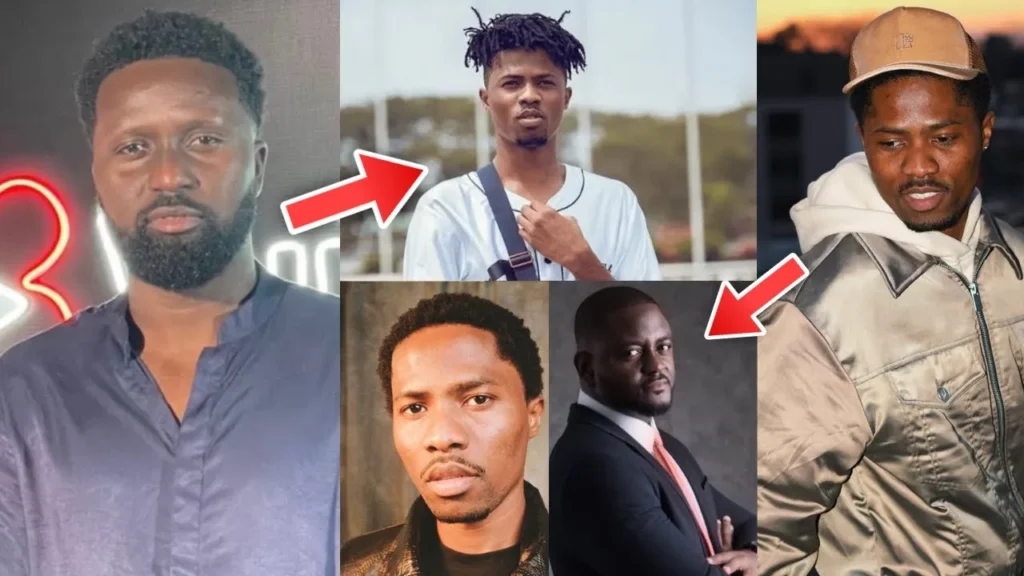
Before any lawyer spoke, Kwesi Arthur set the tone online with a strongly worded statement on X and Instagram about Ground Up Chale and Glen Boateng. In that message, he alleges that they still claim ownership over his image and music, that they are asking him to pay 150,000 dollars to use photos of himself for his new project, and that he has received constant threats and manipulation even though he has not worked with them since “Son of Jacob”.
He adds that, despite years of hits under Ground Up, he has not seen any money from the catalogue they control, summing it up in the now‑famous line that he has “not made a dime” from music released under the label. Screenshots and summaries of his posts circulate widely, with fans and blogs quoting phrases like “they own me” and “they are living off my hard work” as hashtags like #FreeKwesiArthur trend across Ghana’s timeline.
These posts are important because they anchor how Kwesi Arthur understands his own story: a completed contract, an independent path through his current imprint, and a former team that still claims his image and catalogue without giving him what he considers fair returns. Everything that comes after – his father’s emotional defence and the lawyer’s calm breakdown – is reacting to that first wave of tweets and statements from the rapper himself.
How The Lawyer’s Audio Challenges That Narrative
In the new audio, the Ground Up representative never appears on camera but patiently walks through contracts and statements to show another side of Kwesi Arthur’s history with the camp. He confirms familiar details from the father’s interview – a first contract lasting about four years with a 60–40 split in favour of Ground Up – but adds that later arrangements on specific assets shifted to a 50–50 structure that recognised Kwesi as a co‑owner rather than a worker with no stake.
The most explosive claim is that a distributor advanced roughly 118,712 dollars on “Son of Jacob” and that this money went to Kwesi Arthur, not to Ground Up, leaving the album in the red while revenues are used to recoup that advance. When converted into Ghana cedis and combined with other earnings, the lawyer argues that Kwesi’s total benefit crosses GHS 1 million, which makes it hard, in their eyes, to accept the claim that he has “not made a dime” from music released under the camp.
He further alleges that, after the working relationship broke down, Kwesi Arthur or his team contacted distributors and disputed Ground Up’s rights to some assets, trying to redirect payments and control by saying they no longer had any entitlement to the catalogue. Emails quoted in the audio show Ground Up asking him to stop negotiating directly on assets they co‑own, to get a lawyer, and to resolve things privately, which they say he ignored until the matter exploded online.
Where His Father’s Interview Still Fits In
Even with the lawyer’s figures, the earlier interview from Kwesi Arthur’s father remains important because it explains why the family feels so betrayed. He told viewers that the first Ground Up deal was four years on a 60–40 split and that, from his understanding, once you leave a label, “everything ceases” and you become fully independent, which is why ongoing control of his son’s image feels like modern‑day slavery.
He confirmed that Kwesi Arthur continued to work with Ground Up for an extra year or two after the contract expired, including on “Son of Jacob”, and that his son proposed a new 70–30 split that he says the team failed to accept, leading to the eventual split. In his view, the fact that Ground Up still appears to hold the old visuals and can demand money before his son uses them for “Redemption Valley” shows that something went wrong in how the contract was explained and how much power a platform should keep after an artiste has moved on.
When you place the father’s comments next to the lawyer’s audio, the heart of the story becomes clear: Kwesi Arthur and his family see a finished contract and a young man who has done more than enough; Ground Up sees long‑term asset rights, heavy investment, and advances they say were already paid to the artiste. That gap in understanding – not just the money figures – is what keeps fuelling the public fight.
Why This Update Matters For Ghanaian Artists
For Ghana’s creative community, this new chapter in the Kwesi Arthur saga is a live lesson on how contracts, advances and image rights really work. Many upcoming artistes, especially those chasing a Ground Up‑style come‑up, can now see how unclear communication about advances and recoupment can later turn into social‑media wars over who “made money” and who is “eating” off the work.
The clash between Kwesi Arthur’s tweets, his father’s heartfelt defence and the lawyer’s quiet audio also shows the importance of having lawyers involved early, making sure artists know which rights end with time and which stay attached to specific albums and visuals. For fans, it is a reminder that the truth in such disputes is rarely one‑sided; for young talents, it is a warning to read the fine print before signing away years of music, images and ownership in exchange for the first big platform.
Key Takeaways
Kwesi Arthur Ground Up update now includes an audio breakdown from a lawyer who claims the rapper has already received more than GHS 1 million in advances and royalties, including a reported 118,712‑dollar payment linked to the “Son of Jacob” album.
Ground Up insists the relationship moved from an early 60–40 split in favour of management to a 50–50 ownership structure on later assets, arguing that Kwesi Arthur still holds rights but cannot truthfully say he has never earned from the catalogue.
These claims directly challenge Kwesi Arthur’s public statement that he has “not made a dime” from music released under Ground Up and sit beside his father’s belief that a four‑year deal should have ended any ongoing control over his image and songs.
The lawyer maintains that Ground Up is not trying to stop Kwesi Arthur from releasing new music and says the current dispute is limited to old Ground Up visual materials being used in “Redemption Valley” content without clearance.
Kwesi Arthur Ground Up Chale Dispute: What You Need To Know
Kwesi Arthur accuses Ground Up Chale of demanding $150K for his own images, threats and blocking releases. "If anything happens to me, hold them responsible."
Question: What allegations has Kwesi Arthur made against his former label Ground Up Chale?
Answer: Kwesi Arthur publicly accused Glen Boateng and Ground Up Chale of demanding $150,000 for use of his own images, threatening him and blocking independent releases since 2022.
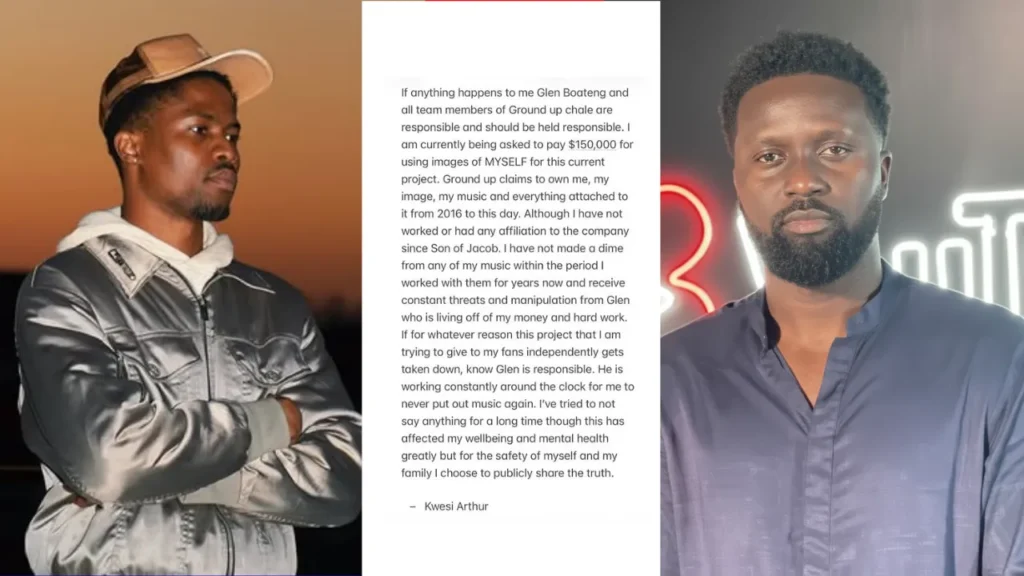
Ghanaian rapper Kwesi Arthur just dropped one of the most serious accusations Ghana's music industry has seen in years. On January 21, 2026, he went public with explosive claims against his former label Ground Up Chale and its CEO Glen Boateng. The allegations span threats, image ownership disputes and alleged sabotage of his career. Most alarming: he warned that if anything happens to him, Glen Boateng and Ground Up should be held responsible.
What Happened: Kwesi Arthur Goes Public
On the evening of January 21, 2026, Kwesi Arthur shared a strongly worded statement on his verified social media accounts accusing Ground Up Chale and Glen Boateng of exploitation and threats.
The core allegations include:
The $150,000 Demand: Kwesi Arthur claims Ground Up Chale is demanding US$150,000 for him to use images of himself in an upcoming independent project, despite having no active business relationship with the label since 2022.
Image and Music Ownership Claims: Ground Up Chale is claiming ownership over his image, music, and all brand rights dating back to 2016, years after Kwesi Arthur says he ended his working relationship with them.
Zero Financial Returns: Kwesi Arthur stated he has not earned a single dime from any of his music during the years he was affiliated with the label.
Ongoing Threats: He alleged he receives constant threats and manipulation from Glen Boateng, who he describes as "living off my money and hard work."
Career Sabotage: Kwesi Arthur claimed Glen Boateng is working around the clock to prevent him from releasing music independently and is actively blocking his projects.
The Most Alarming Warning
The statement included a chilling declaration: "If anything happens to me, Glen Boateng and all team members of Ground Up Chale are responsible and should be held responsible."
Kwesi Arthur explained that he decided to publicly share the allegations despite his long silence because of serious concerns for his personal safety and his family's wellbeing. "I have tried not to say anything for a long time though this has affected my wellbeing and mental health greatly, but for the safety of myself and my family I choose to publicly share the truth," he wrote.
The Context: Years Of Tension
This is not the first time Kwesi Arthur has publicly called out Ground Up Chale. In August 2022, he sent tweets accusing the label of taking advantage of him, posting: "If I keep quiet, so many artistes in the position I was will be taken advantage of."
According to his timeline, Kwesi Arthur formally separated from Ground Up Chale around 2022 to 2023 after the release of his debut album Son of Jacob. Since then, he has launched his own imprint, Sisi Music, and released projects through artist friendly platforms emphasizing ownership, like Even under their "Proud 2 Pay" model.
The new allegations suggest that despite this separation, Ground Up Chale has continued to claim rights over his catalogue and likeness, creating a legal limbo that has blocked him from releasing new music and using his own image for promotional purposes.
How The Industry Is Reacting
The post went viral within hours. Hashtags like #FreeKwesiArthur, #KwesiArthur, #GroundUpChale and #GlenBoateng started trending across Ghana on social media platforms including X (formerly Twitter), Instagram and TikTok.
Fellow rapper Medikal publicly responded to Kwesi Arthur's allegations, saying the rapper has "paid his dues" and should no longer be burdened by his former label's claims. Many fans and industry insiders expressed shock and called for transparency and accountability from Ground Up Chale.
As of press time, Ground Up Chale and Glen Boateng have not issued a public response to the allegations.
Why This Matters: Artist Rights In Ghana's Music Industry
Kwesi Arthur's accusations highlight a recurring pattern in Ghana's entertainment sector: artist label disputes involving image rights, publishing ownership and financial exploitation. The specifics of his case, demanding payment for his own images and claiming eternal rights to his likeness, raise important legal and ethical questions about how artist contracts are structured in Ghana.
Many young artists in Ghana enter record deals without proper legal counsel, sometimes signing away rights they don't fully understand. Kwesi Arthur's case is becoming a textbook example of why clear, transparent contracts and artist education matter.
The emotional toll he describes, mental health impact, ongoing stress and fear for his safety, also underscores how these disputes go far beyond money. They affect creators' ability to work, innovate and earn a living on their own terms.
Key Takeaways
- Kwesi Arthur accused Ground Up Chale and CEO Glen Boateng of demanding $150,000 for use of his own images in January 2026.
- He claims the label is asserting ownership over his music, image and brand dating back to 2016, despite no active relationship since 2022.
- Kwesi Arthur says he received zero financial returns from his music during his time with the label and has faced ongoing threats and manipulation.
- He publicly warned that if anything happens to him, Glen Boateng and Ground Up should be held responsible, citing safety concerns for himself and his family.
- The case highlights recurring issues around artist label contracts, ownership rights and exploitation in Ghana's music industry.



Discussion 1 comments
You must be logged in to write a comment.
Log In Sign Up