
AFCON Host Nation Benefits You Must Know: How African nations can maximize tournament gains through infrastructure, tourism and football development.
Question
What economic, social and football development benefits can African nations expect when hosting the Africa Cup of Nations, and how can they ensure these gains outlast the tournament itself?
Answer
AFCON hosting delivers genuine economic opportunity through jobs, tourism and infrastructure investment. But the real value emerges only with smart planning, transparent governance and long term vision beyond the final whistle. Countries that align tournament infrastructure with national development strategies, invest in local communities and protect against corruption turn a three week event into lasting competitive advantage.
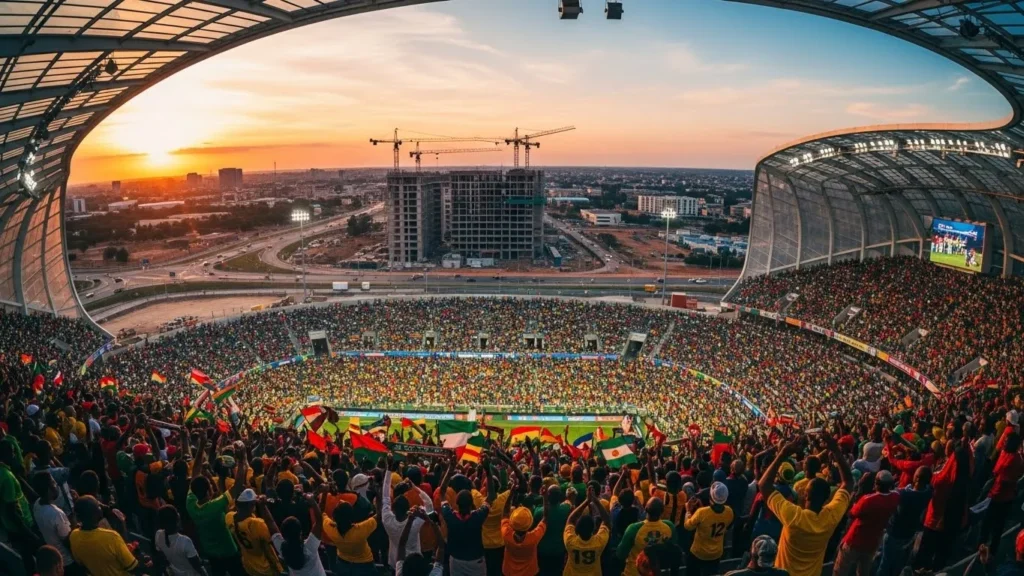
AFCON hosting economic benefits are usually sold in three big promises: quick cash, better infrastructure and global visibility. The truth is more nuanced. Hosts can win big, but only if they avoid debt traps, white elephant stadiums and the corruption that haunts mega events across the continent.
Table of Contents
What You Need to Know About AFCON Hosting Economic Benefits
When countries bid to host AFCON hosting economic benefits, they’re often promised a tourism and revenue boom. Ethiopia’s preparation for AFCON 2025, Morocco’s multi stadium strategy linked to World Cup 2030, and Tanzania’s focus on coastal tourism infrastructure each demonstrate different approaches to capturing value.
The challenge isn’t that benefits don’t exist. It’s that they’re unequally distributed and easily squandered. Quick money flows during match weeks: hotels fill, restaurants thrive, vendors earn. But without deliberate planning, that spike disappears the moment supporters fly home.
AFCON hosting economic benefits vary sharply by country and strategy:
Short term gains: Higher hotel occupancy, restaurant sales, ride hailing trips and nightlife spending surge in host cities. Thousands of temporary jobs emerge in security, catering, cleaning, event support and ground transportation. Extra tax revenue from VAT, service charges and income taxes flows in, especially for countries with strong collection systems.
Medium term gains: Upgraded stadiums with modern lighting and seating often support concerts, religious gatherings and corporate events long after the tournament. Improved roads connecting stadiums to city centres, airports and ports reduce travel times for citizens and future visitors. Airport expansions and digital broadcast infrastructure benefit logistics, media and tech sectors.
Long term gains: Stronger reputation as a stable, event ready country influences investor confidence and multinational negotiations. Repeat visitors and destination branding create sustained tourism revenue if hospitality standards were proven during the tournament. Functional stadiums can anchor regional tournament circuits worth hundreds of thousands per year.
The Bigger Picture: How Long Term Returns Actually Happen
AFCON hosting economic benefits that outlast the final whistle come from specific sources, not just general enthusiasm.
Infrastructure that plugs into national plans: When new roads connect trade corridors, ports and logistics hubs rather than just stadiums, they generate revenue every day. Morocco is tying AFCON 2025 spending to World Cup 2030 co hosting plans, using over 100 infrastructure projects to build a long term sports and tourism platform. Ivory Coast used AFCON 2023 investments in roads and airports to better connect Abidjan, Bouaké and the interior, supporting trade and domestic tourism.
Tourism capacity and branding: Countries that turn AFCON into a showcase of culture, safety and hospitality can attract repeat visitors and future events. Tanzania and Zanzibar (AFCON 2027) are focusing on tourism linked projects like coastal hotels and better links to national parks and islands, aiming to convert match visitors into long term destination ambassadors.
Event and sports economy: Functional, well located stadiums and arenas can host concerts, religious gatherings, corporate events and regional tournaments, creating regular revenue streams. A 60,000 capacity stadium hosting 20 events annually generates far more long term revenue than one hosting one tournament.
What competitors often miss: many articles hype match day revenue but barely discuss whether roads connect to ports, logistics hubs and tourist circuits, which is where the deep economic value really lies. The stadium is just the anchor. The infrastructure web around it determines whether it becomes an asset or a burden.
How AFCON Hosting Improves Football Development Pathways
For many fans, the most emotional question is: will AFCON actually grow African football? The answer is yes, if hosts intentionally align infrastructure and income with youth and domestic football.
CAF‘s hosting standards push nations to deliver: High quality match pitches with reliable drainage and lighting, modern training centres with gyms, medical rooms and analysis spaces, and safer, more comfortable stadiums for fans, families and women’s football. These upgrades give youth players better surfaces and facilities to train and compete, and clubs more professional home grounds that improve player development and fan experience.
Stronger pathways from grassroots to elite: AFCON visibility draws sponsorship and broadcast deals for domestic leagues, raising budgets for coaching, scouting and sports science. Youth tournaments, school programmes and community leagues often receive extra funding and attention in the build up to hosting. Better run leagues and facilities can slow the rush of talent leaving too early, helping African clubs build stronger squads before players move abroad.
What competitors overlook: most coverage stops at “new stadiums are good for football” without exploring coaching ecosystems, sports science and the role of women’s and youth football in the legacy plan. A stadium without a talent development system is just concrete.
What It Means: Typical Infrastructure Projects Linked to AFCON
AFCON hosting economic benefits are easiest to see in concrete and steel. But the type, location and scale of these projects matter more than the price tag.
Stadiums: New national stadiums or major upgrades, with modern seating, lighting, hospitality boxes and safety systems. Morocco and Tanzania are building multi use stadiums designed for post AFCON events and revenue.
Training facilities: Multi pitch training centres for national teams and clubs, with dressing rooms and gyms. These become assets for youth development and professional leagues if properly staffed and maintained.
Transport: Upgraded roads to stadiums, airport expansions, new bus corridors or rail links for match day travel. The best investments are those that serve everyday commuters and commerce after AFCON ends.
Urban services: Street lighting, drainage, beautification, signage, public WiFi and security systems around host city cores. These improve quality of life year round, not just during the tournament.
Hospitality: New hotels, guest houses, short let apartments and entertainment zones near stadium clusters. Sustainable hospitality remains full enough post tournament to justify maintenance and staff costs.
By drilling into how stadiums tie to airports, tourist zones and city centres, we can assess whether AFCON hosting economic benefits become embedded or disappear.
Tourism and Short Term Business Impact
No AFCON hosting economic benefits conversation is complete without tourism. For many host cities, AFCON is a live advert beamed across Africa and the world.
Tourism spikes during AFCON: Higher visitor numbers from across Africa, Europe and the Middle East, especially from diaspora fans. Short stay rentals and tours to beaches, heritage sites and national parks around match days surge. City branding through drone shots, travel segments and influencer content highlight local food, nightlife and culture.
Small businesses at the heart of the action: Street food sellers, jersey vendors, taxi drivers, ride hailing partners, event photographers and local guides see big demand peaks. Pop up markets, fan parks and viewing parties give local SMEs new platforms to reach both residents and visitors.
What many articles ignore: how policy choices such as vendor permits, access to fan zones and support for local tour operators decide whether small businesses thrive or are pushed aside by large contractors. Smart AFCON hosting puts informal traders and youth entrepreneurs at the centre of fan experience design.
Community Impact, Pride and Social Change
Beyond money and stadiums, AFCON reshapes how people feel about their cities and countries.
Unity, pride and soft power: Successful hosting can boost national pride, especially in countries emerging from conflict or political tension. Fans from different regions and ethnic groups share spaces, songs and successes, helping strengthen a sense of shared identity.
Community programmes and opportunities: NGOs, brands and local authorities use AFCON to run campaigns on health, education, entrepreneurship and inclusion in stadium precincts and fan parks. Youth volunteers gain experience in event management, hospitality, media and security, skills that can carry into future jobs. Cameroon’s AFCON 2022 research found strong community perceptions of social and economic benefits among residents of host cities.
What competitors miss: the link between AFCON and everyday skills building, volunteering and social projects that outlive the tournament. A three week event can spark volunteer networks, mentorship and confidence that persist for years.
Why It Matters in Ghana: Governance Risks When Bidding to Host AFCON
Where there is big money, there is big temptation. AFCON hosting comes with real governance risks that can undo all the good work if not tackled early.
Corruption and embezzlement: Oversized contracts, fake invoices, kickbacks and diversion of AFCON funds into private pockets have haunted previous hosts. Kenya’s AFCON 2027 fund scandal and Cameroon’s previous stadium controversies show how serious this risk is. Ghana’s own track record on infrastructure contracts offers lessons in both success and caution.
Cost overruns and unsustainable debt: Stadiums and highways that end up costing far more than planned leave governments with heavy repayment burdens. Risk of borrowing for prestige projects that do not fit long term needs can trap nations in debt cycles for decades.
White elephant infrastructure: Under used stadiums and facilities that are too costly to maintain once AFCON ends drain local budgets. Some African nations still service loans on venues that host fewer than 10 events per year.
How to keep AFCON honest:
Open procurement with public tenders, published contracts and competitive bidding ensures costs stay reasonable and prevent inflated contractor markups. Independent audits for all AFCON related projects and clear reporting on loans and guarantees create accountability. Strong roles for civil society, media and parliamentary oversight monitor spending and timelines in real time.
How AFCON Can Fight Poverty If Done Right
Some newer conversations position AFCON as a tool in poverty reduction, not just a vanity project. While no tournament can fix structural inequality alone, it can support better outcomes when investments are scaled and targeted.
Prioritising mid sized, multi use stadiums over oversized monuments reduces maintenance burdens and frees money for health and education. Designing procurement so that local firms, artisans and youth led businesses get a share of contracts spreads income more widely. Investing in community sport facilities and safe public spaces around stadiums supports healthier lifestyles and social cohesion.
Key Takeaways
- AFCON hosting economic benefits depend far more on planning and governance than on the tournament itself; short term spikes fade unless infrastructure ties to long term national strategies.
- Smart hosts treat AFCON as a development accelerator by scaling stadiums to real demand, investing in youth and women’s football, and centering small businesses in the fan experience.
- Infrastructure gains last only when roads connect to ports, airports and tourist circuits, not just stadiums; this is where deep economic value lives beyond match day.
- Corruption and cost overruns are the biggest threats to AFCON gains; strong procurement rules, independent audits and civil society oversight turn excitement into actual assets.
- Repeat tourism, event hosting and sports development revenue streams require deliberate post tournament planning; without it, stadiums become expensive liabilities within five years.
What to Watch Next
AFCON hosting economic benefits remain contested because measurement is weak and long term follow up is rare. As Morocco 2025 unfolds and Tanzania 2027 approaches, watch for: whether new infrastructure sees consistent post tournament usage, if domestic football investment translates into measurable player development gains, and whether host governments sustain vendor access and community programmes beyond the final match.
The playbook exists. The question is whether African nations have the will to execute it.




Comments are closed.