IShowSpeed’s 28-day livestream across 20 countries reshapes how millions see Africa. A turning point in continental narrative.
Question:
What is the IShowSpeed African tour and why is it reshaping global narratives about the continent?
Answer:
The IShowSpeed African tour is a 28-day livestream across 20 countries starting 29 December 2025, broadcasting daily life, culture and infrastructure directly to millions of young viewers. It’s fundamentally changing how international audiences perceive Africa by showing modern cities, functioning internet and authentic community life rather than the disaster imagery Western media has historically promoted. media for decades.
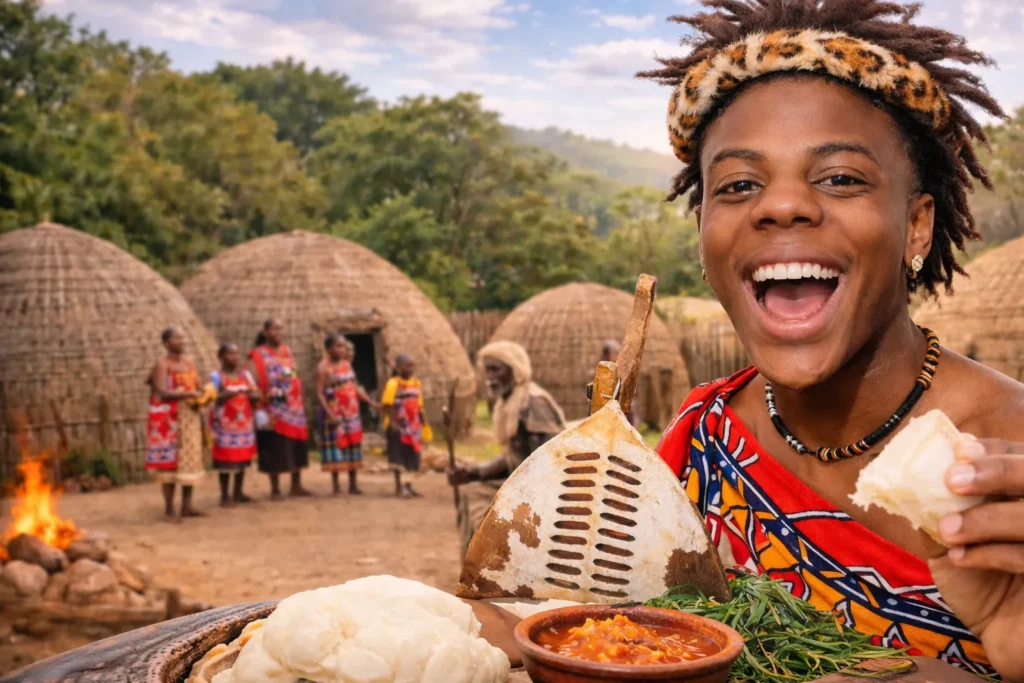
For the first time in recent history, a single creator with 50+ million followers is deciding what young people globally see about an entire continent. No traditional media gatekeepers. No charity narratives. Just raw, unfiltered daily moments livestreamed to Gen-Z audiences who grew up watching mainstream outlets define Africa through tragedy and crisis. This moment matters because it’s proving that change is possible.
Table of Contents
Understanding the Scale and Format
The IShowSpeed African tour covers Ghana, Nigeria, Kenya, South Africa, Angola, Egypt and 14 other nations with daily livestreams of ordinary life: shopping malls, football matches, street food markets, airport scenes and spontaneous community interactions. Early streams from Angola and Botswana showcased local athletes, street vendors and everyday moments that would never appear in traditional media coverage.
The format is deliberately unpolished. Unlike scripted documentaries, the content thrives on authenticity and real-time responsiveness. That’s what makes clips spread explosively across TikTok, YouTube Shorts and X. Viewers feel they’re watching genuine moments rather than curated representations.
According to Variety, the initiative is backed by sponsors and represents one of the largest creator-led travel projects attempted on the continent. Yet the appeal lies in its rough edges, not its production budget.
To Watch The Streamed Videos Of The IShowSpeed African Tour, visit Youtube channel
Breaking the Myth: What Western Audiences Expected vs. Reality
Before livestreams began, comment sections predicted crime, scams, poverty and disconnection. Many Western viewers openly stated they expected he would face robbery or lose internet access entirely. These weren’t random fears. They reflected decades of BBC News disaster coverage, charity appeals and negative framing that shaped how international audiences understood Africa.
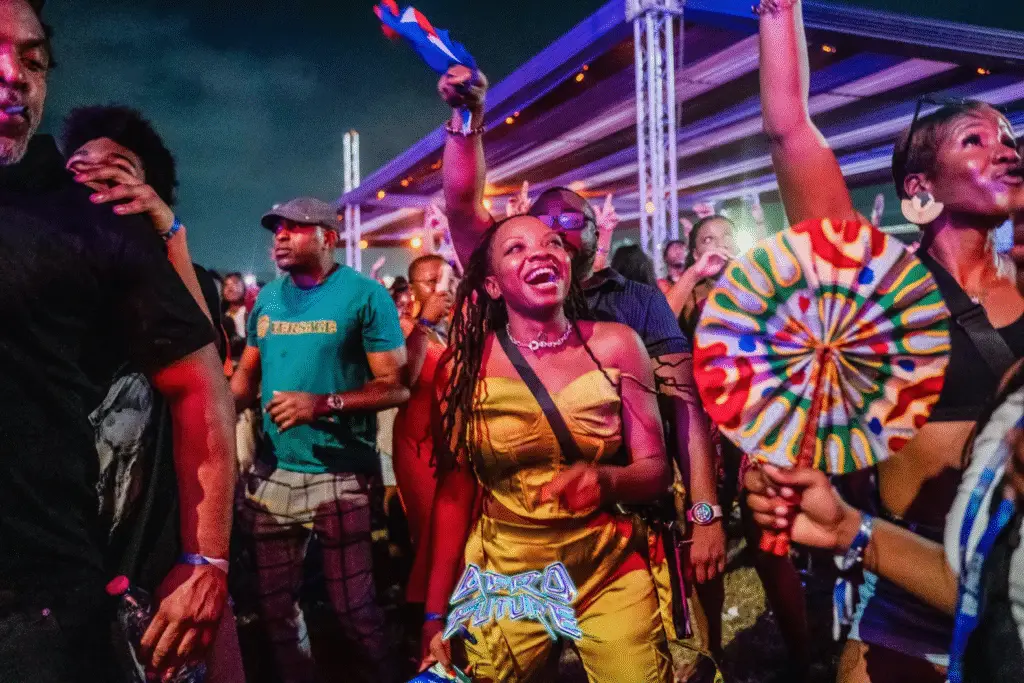
The reality on stream shocked viewers. Modern skylines. Functioning highways. Shopping centres with global brands. Fibre optic infrastructure. Young people casually comfortable on camera. None of this matched the narrative many grew up believing.
Reaction videos from Black American creators have been particularly powerful. Many posted emotional responses saying the experience changed their view of Africa completely or inspired them to plan visits. Comments repeatedly expressed surprise: “These places look like regular cities.” That statement alone reveals how deep Western media’s negative framing had penetrated even diaspora consciousness.
iShowSpeed Ghana: Breakthrough Journey From Roots To History 2026
Who Controls Africa’s Global Story Now
Historically, Western media institutions, NGOs and foreign production companies decided which African stories reached international audiences. They chose disaster narratives, safari tourism, charity campaigns. They were the gatekeepers of representation.
This moment is different. A single creator now holds that power. His decisions about which streets, which communities, which moments appear on screens shape what millions of young people believe about an entire continent. That’s a significant shift in narrative control.
African creators are responding immediately. Ghanaian YouTubers, Nigerian content creators and West African streamers are building explainer videos, duetting clips and creating cross-continental conversations about representation and authenticity. They’re not waiting for permission from traditional media. They’re using this moment to tell their own stories and challenge misrepresentation.
The Twitter/X community has become a key space where African creators amplify their voices during this moment.
Impact on Tourism, Economies and African Institutions
Governments and tourism boards across participating nations are watching closely. A single viral livestream can generate more international awareness than traditional campaigns costing millions. Young viewers interested in travel, study and cultural exchange may develop new interest in African destinations.
However, benefits aren’t automatic. If the moment emphasizes only nightlife, poverty or chaotic scenes, it reinforces stereotypes. If handled thoughtfully with local collaboration, it positions African nations as dynamic, modern creative economies with thriving populations and cultural depth.
For African entrepreneurs and creators, the moment signals a proven model: build authentic IRL content around local culture, technology, sports and creativity. Do it consistently. Do it genuinely. Global audiences will follow, particularly young viewers hungry for fresh perspectives beyond mainstream media narratives.
Forbes has covered similar creator economy trends reshaping how emerging markets gain global visibility.
Key Takeaways
- The IShowSpeed African tour spans 20 African nations with daily unfiltered livestreams reaching millions of young global viewers over 28 days.
- Western audiences are experiencing significant perception shifts, with many reporting changed views about African modernity and development after watching.
- Narrative power is shifting from traditional Western media institutions to individual creators with massive audiences.
- African creators are leveraging this moment to build platforms and challenge historical misrepresentation with authentic storytelling through the IShowSpeed African tour.
- Success depends on whether participating nations, local creators and communities actively shape how they’re represented rather than letting external framers control the narrative.
What Happens Next
Three critical questions will determine long-term impact. First, will African governments and tourism boards actively engage with this moment or remain passive observers? Second, will African creators build their own continental networks to sustain this narrative shift beyond the initial tour? Third, will other global creators follow this model, or will African creators themselves launch regional tours that turn the camera back outward?
The shift in who tells Africa’s story to the world is only beginning. This moment is creating space for that conversation to deepen and for new voices to emerge.