
Kwesi Arthur faces fresh controversy as a Ground Up lawyer alleges he has already received over GHS 1M in advances and royalties, challenging his claim of not earning from the label.
Question
What does the latest audio from Ground Up’s lawyer reveal about money paid to Kwesi Arthur, and how does it compare with Kwesi’s own posts and his father’s interview about the Ground Up Chale contract and image rights?
Answer
Kwesi Arthur has repeatedly told fans that he has “not made a dime” from music released under Ground Up Chale and that the camp is demanding 150,000 dollars before he can use images of himself for his “Redemption Valley” era. He says Ground Up claims to own his image, music and everything attached to it from 2016 to now, even though he stopped working with them after his “Son of Jacob” album, and he warns that if anything happens to him, Glen Boateng and the team should be held responsible.
In the latest audio‑only update, a lawyer speaking for Ground Up responds with numbers rather than faces. He cites royalty statements and emails from distributors to argue that Kwesi Arthur has already received more than GHS 1 million through advances and payouts linked to projects like “Son of Jacob”, including a standout payment of about 118,712 dollars that he says went directly to the rapper and is now being recouped. That figure clashes with Kwesi’s public insistence that he has not earned anything from the period he worked with Ground Up, raising big questions about what “no money” means when advances, recoupment and backend royalties are involved.
The lawyer also pushes back on the idea that Ground Up is blocking Kwesi Arthur from releasing new music, saying there has been no attempt to stop his recent projects and that the only dispute is over old Ground Up visual materials being used in new “Redemption Valley” teasers without proper clearance. For him, the issue is not a label trying to “own” a human being but a business enforcing shared rights on visuals and catalogue created together, while Kwesi and his father frame the same situation as a painful extension of a four‑year deal that should have ended years ago.
If you need the full background before this money debate, read our earlier posts on Debesties: “Kwesi Arthur Ground Up Chale Dispute: What You Need To Know” and “Kwesi Arthur Father Ground Up: New Claims About Contract And Image Control”, which both set the stage for this latest update.
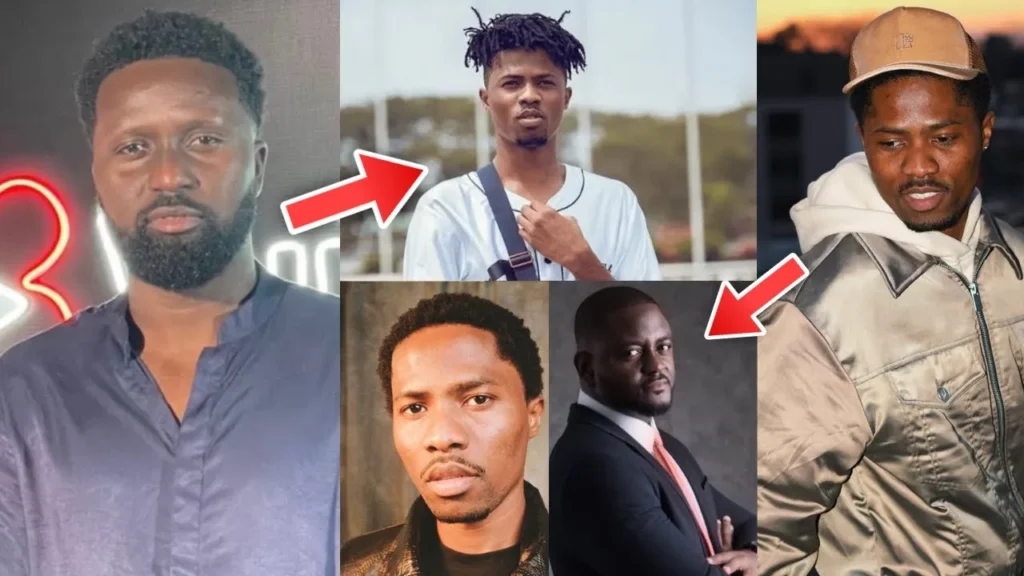
Table of Contents
Kwesi Arthur’s Own Posts And Claims
Before any lawyer spoke, Kwesi Arthur set the tone online with a strongly worded statement on X and Instagram about Ground Up Chale and Glen Boateng. In that message, he alleges that they still claim ownership over his image and music, that they are asking him to pay 150,000 dollars to use photos of himself for his new project, and that he has received constant threats and manipulation even though he has not worked with them since “Son of Jacob”.
He adds that, despite years of hits under Ground Up, he has not seen any money from the catalogue they control, summing it up in the now‑famous line that he has “not made a dime” from music released under the label. Screenshots and summaries of his posts circulate widely, with fans and blogs quoting phrases like “they own me” and “they are living off my hard work” as hashtags like #FreeKwesiArthur trend across Ghana’s timeline.
These posts are important because they anchor how Kwesi Arthur understands his own story: a completed contract, an independent path through his current imprint, and a former team that still claims his image and catalogue without giving him what he considers fair returns. Everything that comes after – his father’s emotional defence and the lawyer’s calm breakdown – is reacting to that first wave of tweets and statements from the rapper himself.
How The Lawyer’s Audio Challenges That Narrative
In the new audio, the Ground Up representative never appears on camera but patiently walks through contracts and statements to show another side of Kwesi Arthur’s history with the camp. He confirms familiar details from the father’s interview – a first contract lasting about four years with a 60–40 split in favour of Ground Up – but adds that later arrangements on specific assets shifted to a 50–50 structure that recognised Kwesi as a co‑owner rather than a worker with no stake.
The most explosive claim is that a distributor advanced roughly 118,712 dollars on “Son of Jacob” and that this money went to Kwesi Arthur, not to Ground Up, leaving the album in the red while revenues are used to recoup that advance. When converted into Ghana cedis and combined with other earnings, the lawyer argues that Kwesi’s total benefit crosses GHS 1 million, which makes it hard, in their eyes, to accept the claim that he has “not made a dime” from music released under the camp.
He further alleges that, after the working relationship broke down, Kwesi Arthur or his team contacted distributors and disputed Ground Up’s rights to some assets, trying to redirect payments and control by saying they no longer had any entitlement to the catalogue. Emails quoted in the audio show Ground Up asking him to stop negotiating directly on assets they co‑own, to get a lawyer, and to resolve things privately, which they say he ignored until the matter exploded online.
Where His Father’s Interview Still Fits In
Even with the lawyer’s figures, the earlier interview from Kwesi Arthur’s father remains important because it explains why the family feels so betrayed. He told viewers that the first Ground Up deal was four years on a 60–40 split and that, from his understanding, once you leave a label, “everything ceases” and you become fully independent, which is why ongoing control of his son’s image feels like modern‑day slavery.
He confirmed that Kwesi Arthur continued to work with Ground Up for an extra year or two after the contract expired, including on “Son of Jacob”, and that his son proposed a new 70–30 split that he says the team failed to accept, leading to the eventual split. In his view, the fact that Ground Up still appears to hold the old visuals and can demand money before his son uses them for “Redemption Valley” shows that something went wrong in how the contract was explained and how much power a platform should keep after an artiste has moved on.
When you place the father’s comments next to the lawyer’s audio, the heart of the story becomes clear: Kwesi Arthur and his family see a finished contract and a young man who has done more than enough; Ground Up sees long‑term asset rights, heavy investment, and advances they say were already paid to the artiste. That gap in understanding – not just the money figures – is what keeps fuelling the public fight.
Why This Update Matters For Ghanaian Artists
For Ghana’s creative community, this new chapter in the Kwesi Arthur saga is a live lesson on how contracts, advances and image rights really work. Many upcoming artistes, especially those chasing a Ground Up‑style come‑up, can now see how unclear communication about advances and recoupment can later turn into social‑media wars over who “made money” and who is “eating” off the work.
The clash between Kwesi Arthur’s tweets, his father’s heartfelt defence and the lawyer’s quiet audio also shows the importance of having lawyers involved early, making sure artists know which rights end with time and which stay attached to specific albums and visuals. For fans, it is a reminder that the truth in such disputes is rarely one‑sided; for young talents, it is a warning to read the fine print before signing away years of music, images and ownership in exchange for the first big platform.
Key Takeaways
Kwesi Arthur Ground Up update now includes an audio breakdown from a lawyer who claims the rapper has already received more than GHS 1 million in advances and royalties, including a reported 118,712‑dollar payment linked to the “Son of Jacob” album.
Ground Up insists the relationship moved from an early 60–40 split in favour of management to a 50–50 ownership structure on later assets, arguing that Kwesi Arthur still holds rights but cannot truthfully say he has never earned from the catalogue.
These claims directly challenge Kwesi Arthur’s public statement that he has “not made a dime” from music released under Ground Up and sit beside his father’s belief that a four‑year deal should have ended any ongoing control over his image and songs.
The lawyer maintains that Ground Up is not trying to stop Kwesi Arthur from releasing new music and says the current dispute is limited to old Ground Up visual materials being used in “Redemption Valley” content without clearance.


Comments are closed.